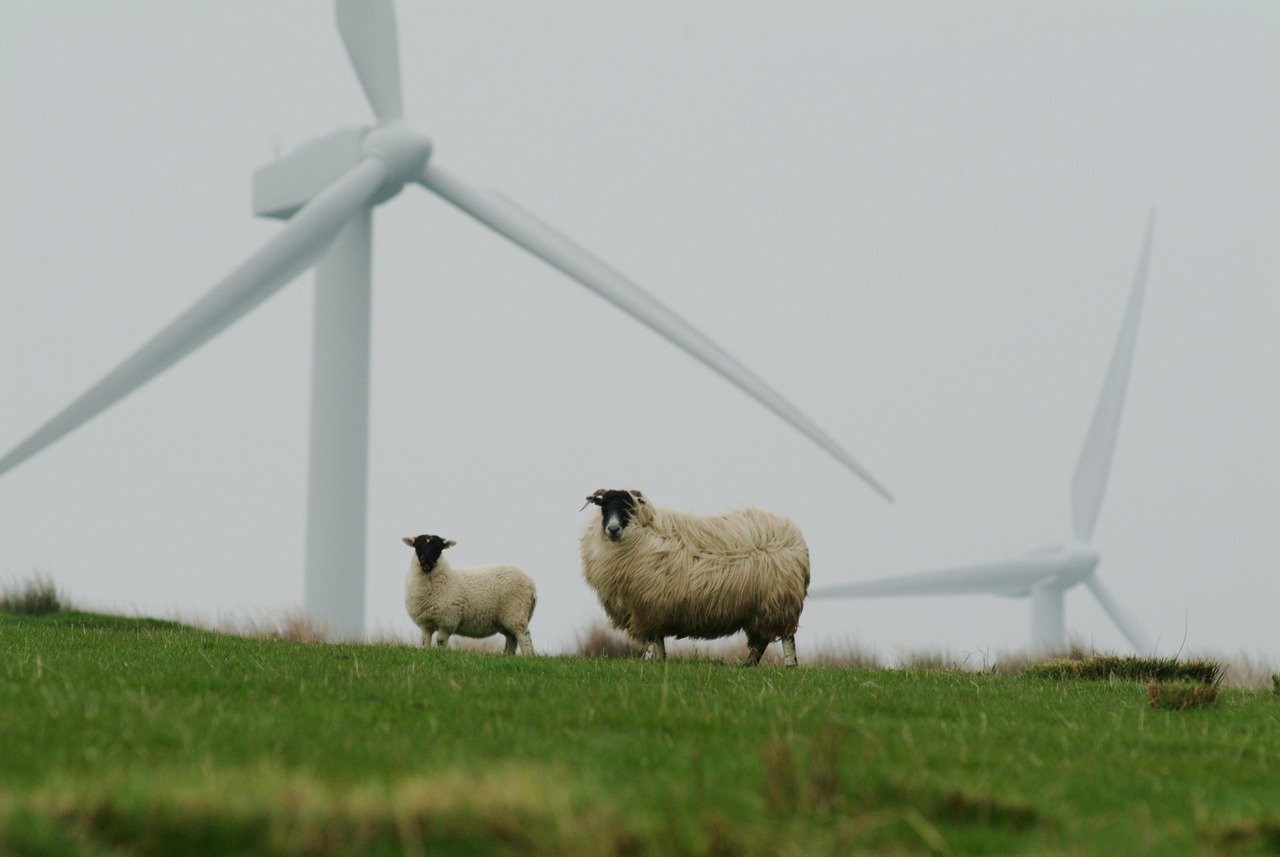

Understanding Renewable Energy for Island Homes
Island homes present unique challenges and opportunities when it comes to energy sourcing. Being often isolated from mainland resources, islands have a pressing need for sustainable and renewable energy solutions to mitigate dependence on fossil fuels and reduce carbon emissions. Utilizing local resources effectively can lead to energy independence, economic stability, and environmental sustainability.
Solar Energy Solutions
Photovoltaic Systems
Solar panels, or photovoltaic (PV) systems, convert sunlight directly into electricity. For island homes, installing solar panels is an excellent way to harness abundant sunlight. The efficiency of solar technology has improved significantly, with many modern panels achieving upwards of 20% efficiency.
-
Off-Grid Systems: Many islands lack stable connections to traditional power grids. Off-grid solar systems ensure that homeowners can generate their own electricity without relying on external sources.
-
Battery Storage: Integrating battery storage systems can make solar energy even more effective. These systems allow homeowners to store excess energy for use during cloudy days or at night, maximizing the utility of generated power.
-
Solar Water Heaters: Solar water heating systems utilize solar energy to heat water for domestic use. These systems are relatively simple to install and can significantly reduce energy costs for heating water.
Wind Energy Solutions
Small-Scale Wind Turbines
Wind energy is another viable option, particularly for islands with consistent wind patterns. Small-scale wind turbines can be installed on residential properties to generate electricity.
-
Vertical Axis Wind Turbines: These turbines are becoming popular due to their low height and less visual impact, making them suitable for residential areas. They can operate effectively in turbulent wind conditions often found on islands.
-
Hybrid Wind and Solar Solutions: Combining wind and solar technologies can be a robust strategy for energy generation. When solar production dips, wind may often thrive, ensuring a more consistent energy supply.
Hydroponic and Micro-Hydro Solutions
In certain island environments, especially those with flowing water sources, micro-hydro systems can provide an additional energy source.
-
Micro-Hydro Power Plants: These systems utilize small streams or waterfalls to drive turbines that generate electricity. Apart from being highly efficient, micro-hydro installations have minimal environmental impact compared to larger hydroelectric facilities.
-
Water Conservation Through Hydroponics: Island homes can also utilize hydroponic systems for sustainable agriculture. This agricultural method uses significantly less water than traditional farming and can be powered by renewable energy sources.
Biomass Energy Solutions
Biomass energy is derived from organic materials, including agricultural residues and waste. Island homes can capitalize on locally available biomass for energy generation.
-
Biogas Digesters: These systems convert organic waste into biogas through anaerobic digestion processes. This biogas can be used for cooking, heating, and even powering generators.
-
Sustainable Practices: Using sustainably sourced biomass, such as wood pellets made from agricultural waste, can provide a carbon-neutral energy source when managed correctly.
Energy Efficiency Measures
Even with renewable energy solutions in place, implementing energy efficiency measures is crucial for reducing overall consumption.
-
Energy-Efficient Appliances: Incorporating energy-efficient appliances, such as LED lighting, Energy Star-rated refrigerators, and washing machines, can significantly lower energy demand.
-
Insulation and Weatherization: Proper insulation and sealing of windows and doors in island homes help retain heat in colder months and keep homes cooler during the hot season, minimizing energy consumption for heating and cooling.
Community-Based Initiatives
Engaging the community in renewable energy projects can amplify benefits.
-
Community Solar Projects: In cases where individual installations aren’t feasible, communities can consider cooperative solar installations. These shared solar farms can offer solar energy to multiple households while reducing individual costs.
-
Education and Awareness: Promoting education about the importance of renewable energy and sustainability within the community can foster a collective commitment to green living and enhance local support for renewable initiatives.
Policy and Financial Considerations
Government support and financial incentives can significantly ease the transition to renewable energy for island homes.
-
Incentive Programs: Many governments offer tax credits, grants, and loans for residents who invest in renewable energy systems, making it easier for homeowners to afford solar panels, wind turbines, and energy-efficient upgrades.
-
Net Metering Policies: These policies allow homeowners with renewable energy systems to sell excess energy generated back to the grid, providing additional financial relief and encouragement for investment in renewable technologies.
Technological Innovations
Continuous advancements in technology are paving the way for improved renewable energy solutions for island homeowners.
-
Smart Grids: The integration of smart grid technology with renewable energy sources can enhance energy management, allowing homeowners to monitor and control their energy consumption in real-time.
-
Emerging Storage Solutions: Innovations in battery technology, such as solid-state batteries, promise greater energy storage efficiency and lifespan, meeting the unique challenges faced by island communities reliant on renewable sources.
Climate Resilience and Adaptation
Renewable energy solutions not only serve to provide power but also contribute to the island’s resilience against climate change.
-
Disaster Preparedness: Islands are often vulnerable to extreme weather events. Harnessing renewable energy offers resiliency. Solar panels can maintain power during outages, and decentralized energy systems mean that communities are less reliant on centralized infrastructure that may be compromised.
-
Adaptation Measures: Transitioning to renewable energy can help islands reduce their carbon footprints, thereby contributing to global efforts to combat climate change, which disproportionately affects coastal and island communities.
Conclusion
Embracing renewable energy solutions is vital for sustainable living in island homes. By leveraging solar, wind, hydro, biomass, and energy efficiency measures, islands can build energy independence, foster community resilience, and preserve their natural environment for future generations. As technology progresses and awareness increases, the shift towards sustainable solutions will be critical to ensure the longevity and vitality of island communities.
