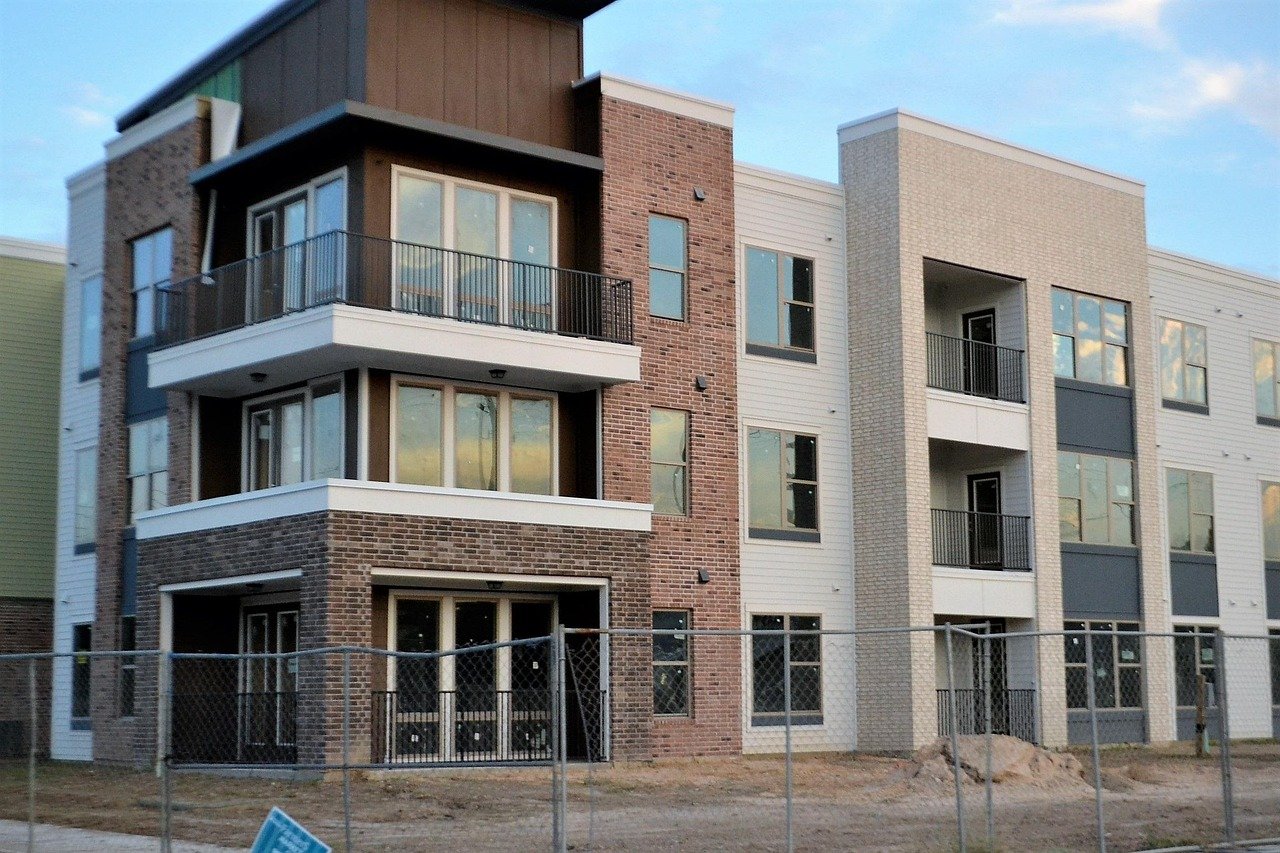

The vibrant city of Los Angeles is witnessing a transformative wave in urban development, particularly with the announcement of a forthcoming mixed-income housing project designed to bridge the widening economic gaps in the community. This initiative is applauded for its potential to address pressing housing affordability issues while fostering greater integration among income groups in one of the nation’s most economically polarized cities.
Project Overview
The mixed-income housing project, dubbed “Harmony Village,” spans 10 acres in the downtown LA area, with plans for nearly 400 residential units. The project aims to provide a diverse mix of housing options ranging from luxury condominiums to affordable apartments. Neighboring prominent venues, parks, and transit access will ensure convenience and connectivity for residents.
The need for such developments stems from considerable disparities in income and housing affordability across LA. According to a recent Urban Institute report, Los Angeles ranks among the cities with the highest housing cost burden, making mixed-income solutions vital. The intent behind Harmony Village is not only to create a roof over heads but to foster community interaction and economic diversity.
Target Demographics
Harmony Village is designed to cater to a wide array of residents, including low-income families, middle-class professionals, and high-income individuals. Approximately 30% of the units will be reserved for low-income households earning less than 80% of the area median income (AMI), while 20% will be allocated for moderate-income households, earning between 80% and 120% of AMI. The remaining units will target higher-income individuals, fostering a diverse environment that encourages social cohesion.
One of the project’s fundamental principles is to mitigate the “us vs. them” mentality often associated with socio-economic segregation. By offering a range of unit types and pricing points, Harmony Village aims to promote inclusive city living and dismantle barriers between income groups.
Design and Amenities
The architectural vision for Harmony Village emphasizes sustainability and community engagement. Designed by a leading urban planning firm, the project incorporates green building practices, including energy-efficient appliances, solar panels, and the integration of local vegetation in its landscaping. The focus on sustainable architecture is critical not only for reducing the carbon footprint but also for decreasing long-term operational costs for residents.
Amenities within the development will feature community gardens, co-working spaces, fitness centers, and children’s play areas, fostering a family-centric atmosphere. A community hub is also planned to encourage social gatherings and activities, creating opportunities for residents to interact positively across socio-economic lines.
Funding and Development Strategies
Funding for Harmony Village is made possible through a unique partnership between public entities, private investors, and non-profit organizations dedicated to affordable housing. The project secures financing through various mechanisms, including Low-Income Housing Tax Credits (LIHTC), federal grants, and local government subsidies. This collaborative model is designed to maximize resources while ensuring the successful execution of this ambitious project.
In addition, developers have committed to hiring local contractors and workers, thereby stimulating job creation and offering training opportunities for community members. This approach not only builds trust within the community but also provides a pathway for economic empowerment among residents.
Addressing Local Concerns
Community engagement has been an integral part of the planning process for Harmony Village. Developers held numerous town hall meetings to address potential concerns and gather input from local residents. Key issues discussed included parking availability, traffic management, and the need for adequate public services such as schools and healthcare.
The project team is actively incorporating feedback to mitigate concerns. They plan to implement robust transport linkages, ensuring residents have easy access to public transit and reduce dependency on personal vehicles. Furthermore, the integration of essential services, including grocery stores and clinics, plans to cater to the residential demographic’s needs without impacting local routes significantly.
Potential Impact on the Community
Harmony Village stands to contribute significantly to the economic revival of downtown Los Angeles. By infusing diverse socio-economic demographics into a single community, the project aims to revitalize areas that have historically been neglected. Increasing mixed-income housing availability would enhance the overall quality of life, promote economic mobility, and ultimately create a more vibrant and diverse city.
Moreover, research indicates that mixed-income environments can lead to reduced crime rates and improved educational outcomes. Children growing up in such diverse settings are more likely to thrive academically and socially, bridging the educational gap often seen between wealthier and low-income neighborhoods.
Projected Timeline and Next Steps
The project is currently in the design phase, with groundbreaking expected in late 2024. Developers anticipate a phased rollout, ensuring that construction aligns with local regulations while minimizing disruption for current residents. Completion is projected for mid-2026.
In the meantime, developers continue to engage with local stakeholders, maintaining transparency and open lines of communication. Residents can look forward to regular updates on the project’s progress and further opportunities for community involvement.
Concluding Thoughts on the Future of Mixed-Income Housing in LA
Harmony Village exemplifies LA’s commitment to innovative housing solutions addressing the complexities of urban living in a diverse environment. As the project unfolds, it not only highlights the potential benefits of mixed-income developments but also serves as a model for cities facing similar challenges.
By blending economic groups and offering inclusive housing options, Harmony Village is poised to reshape the landscape of Los Angeles, offering lessons to other cities across the nation aspiring to bridge economic divides through thoughtful urban planning. As development progresses, the eyes of housing advocates and urban planners will be closely monitoring the transformative journey of this ambitious initiative.
