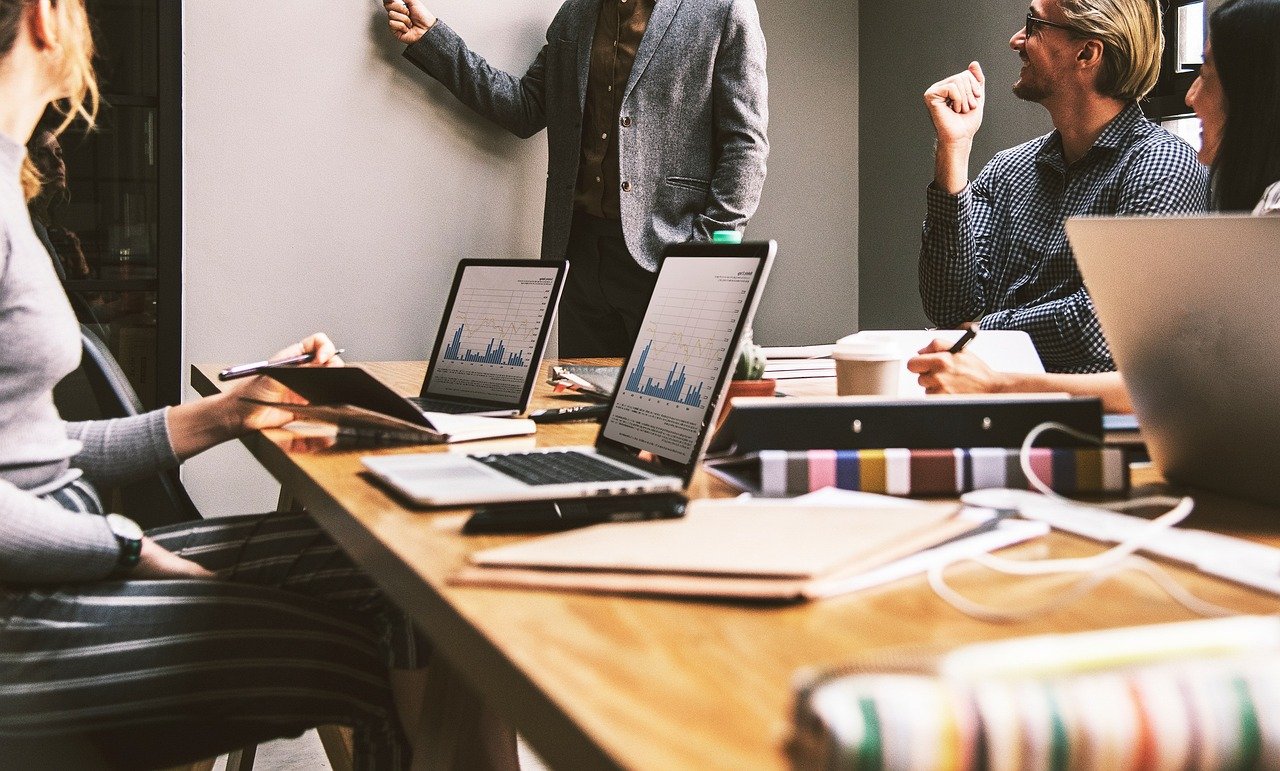

The Shift in Office Space Design Trends
As organizations pivot toward resilient yet adaptable office environments, innovation in office space design has become a focal point of discussion. These design trends, influenced by remote work, technological advancements, and changing employee needs, create shadow demand, inviting companies to reevaluate how they utilize and conceptualize their office spaces.
1. Flexible and Modular Workspaces
Flexibility in design is crucial for accommodating a diverse workforce. The notion of a fixed desk is fading, giving way to modular workstations that can be reconfigured to suit different tasks and collaborative efforts. This approach fosters an environment that encourages creativity and innovation, allowing employees to choose where and how they work, whether it’s in a quiet zone, a collaborative space, or a café-style area.
Benefits of Flexible Spaces
- Enhanced Collaboration: Employees can easily regroup or split into smaller, focused teams based on the task at hand.
- Personalized Work Environments: Workers can adjust their surroundings to fit their mood and needs, enhancing productivity.
2. Eco-Friendly and Sustainable Designs
The demand for environmentally responsible office designs is growing. Companies are increasingly adopting sustainability as a core principle in their office space planning. This trend includes selecting eco-friendly materials, utilizing natural light, and incorporating green spaces, such as indoor plants and living walls, to improve air quality and employee well-being.
Key Elements of Sustainable Office Spaces
- Energy-Efficient Systems: Installing systems that lower energy consumption, such as LED lighting and energy-efficient HVAC systems.
- Recycled Materials: Using reclaimed wood, recycled metal, and sustainable fabrics in furniture and décor.
3. Biophilic Design
Biophilic design fosters a connection between the built environment and nature. Incorporating elements like natural light, vegetation, and outdoor views not only enhances aesthetics but also has proven psychological benefits. Research shows that exposure to nature can reduce stress, boost creativity, and increase employee satisfaction.
Implementation Strategies
- Natural Lighting: Maximize the use of windows to let in as much natural light as possible.
- Indoor Plants: Introduce plants in workspaces to improve air quality and enhance mood.
4. Technology Integration
The integration of advanced technology into office design is undeniable. Smart office features, such as IoT devices that monitor occupancy and optimize energy use, streamline workplace operations and enhance productivity. Virtual and augmented reality tools are also becoming commonplace, facilitating remote collaboration and making the onboarding process more immersive.
Tech-Savvy Amenities
- Virtual Collaboration Tools: Systems that support seamless communication between in-office and remote employees.
- Smart Desks: Adjustable desks with built-in technology to track health metrics and boost efficiency.
5. Wellness-Centric Spaces
An increasing focus on employee wellness is reshaping office environments. Companies are incorporating wellness rooms, meditation zones, and workout areas into their offices to motivate employees to prioritize their mental and physical health. Such amenity-rich environments improve morale and boost productivity.
Key Features of Wellness-Oriented Workspaces
- Quiet Zones: Spaces designed for relaxation and stress relief, providing a contrast to the typical hustle of office life.
- Fitness Facilities: Gyms or spaces for yoga and fitness activities encourage physical health among staff.
6. Aesthetic Appeal and Branding
Office design transcends mere functionality; it’s also about making a statement. Companies utilize design elements that reflect their brand ethos, using colors, textures, and artwork to create a memorable identity. This trend elevates the overall employee experience and helps attract top talent.
Design Considerations
- Color Psychology: Utilizing colors that inspire creativity and productivity (e.g., blues for calmness, yellows for energy).
- Custom Artwork: Integrating local art to foster community ties and create a unique office atmosphere.
7. Hybrid Work Solutions
With many companies adopting a hybrid work model, office design must accommodate this new landscape. Design solutions that blend the in-office and remote experiences help teams collaborate more effectively. Space is being allocated for hybrid meetings, including dedicated tech-equipped conference rooms.
Features to Support Hybrid Work
- Zoom Rooms: Equipped with high-quality audio and video systems to ensure remote participants feel included.
- Collaborative Spaces: Areas designed for brainstorming sessions and teamwork, easily accessible regardless of in-office attendance.
8. Embracing Zoning Techniques
Workspaces are evolving to embrace zoning techniques that differentiate areas according to their purpose. Such zoning allows companies to create spaces tailored for specific tasks such as focused work, collaborative teamwork, or social interactions.
Effective Zoning Approaches
- Quiet Zones: Designated areas for concentrated work, free from distractions.
- Engagement Areas: Spaces designed for informal meetings and social interactions help build camaraderie among employees.
9. Focus on Employee Experience
Employee experience is at the heart of contemporary office design. Spaces are crafted not only for productivity but for enhancing overall job satisfaction. Organizations focused on employee experience cultivate cultures that foster loyalty, engagement, and retention.
Enhancing Employee Experience
- Inclusive Spaces: Designing for accessibility ensures every employee feels welcome and valued.
- Community Spaces: Areas for social gatherings foster teamwork and company culture.
10. Conclusion: The Future of Office Spaces
Office space design is dynamic, reflecting shifts in workforce behavior, technological progress, and cultural values. As businesses adapt to post-pandemic realities, they must consider these trends to ensure their office spaces are not only functional but also enjoyable and inspiring.
To remain competitive and attract top talent, organizations should not overlook the importance of innovative office design that meets contemporary needs. Adopting these trends will pave the way for a new paradigm in how we perceive workspaces and ultimately influence demand in the commercial real estate sector.
