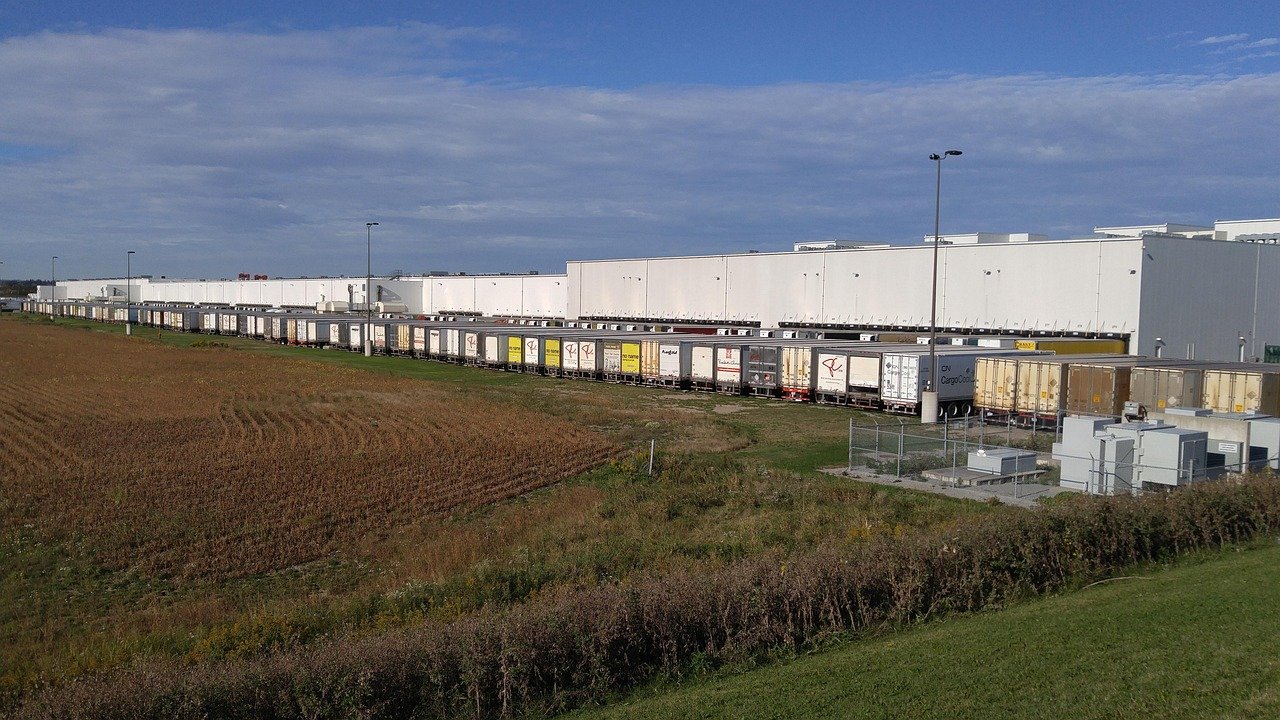

Understanding the Evolving Landscape of Supply Chain Real Estate
The rise of e-commerce, consumer demand, and global market shifts has significantly elevated the role of supply chain real estate. This sector focuses on the buildings, warehouses, and infrastructure that support logistics and distribution needs. However, navigating the complexities of supply chain real estate requires addressing several critical challenges that arise amid increasing demand.
Surge in Demand for Industrial Real Estate
As online shopping continues its unprecedented growth trajectory, the demand for industrial properties, such as warehouses and distribution centers, has skyrocketed. According to research conducted by CBRE, the industrial real estate sector is expected to grow by 20% over the next five years. For businesses, this represents both an opportunity and a challenge; supply chain managers must consider location, space, and technology integration to meet evolving customer expectations.
Location Advantage
The location of supply chain real estate is paramount. Proximity to major transportation hubs, highways, and urban centers can significantly reduce logistics costs and transit times. Companies must conduct rigorous market analysis and geographic research to identify prime locations that align with their operational strategies. Key factors include access to a skilled labor force, proximity to suppliers and customers, and the overall infrastructure of the area.
-
Labor Market Accessibility: As demand increases, so does competition for skilled labor. Locations with favorable labor conditions enhance operational efficiency and employee retention rates. Workforce development initiatives in partnership with local communities can strengthen recruitment efforts.
-
Infrastructure Development: Regions with established transportation networks offer advantages in swift deliveries. Real estate developers should work with local governments to ensure that infrastructure investments keep pace with industrial expansion.
Sustainability Concerns in Supply Chain Real Estate
As global awareness of environmental issues grows, sustainable practices in supply chain real estate are gaining traction. Stakeholders are increasingly focusing on eco-friendly designs, energy efficiency, and sustainable materials. Adapting to these requirements can pose substantial challenges for businesses as they strive to balance cost with sustainability measures.
-
Green Building Certifications: Obtaining certifications like LEED (Leadership in Energy and Environmental Design) can enhance a company’s reputation and marketability. However, achieving such standards often necessitates a significant up-front investment in advanced technologies and materials.
-
Energy Efficiency Integration: Implementing energy-efficient systems, such as solar panels or high-efficiency HVAC systems, can mitigate long-term operational costs. Balancing the upfront costs with projected savings and environmental impact is crucial for strategic planning.
Technological Advancements in Supply Chains
Implementing advanced technology is another critical factor in navigating challenges in supply chain real estate. Automation and digital innovations are revolutionizing warehousing and logistics operations, yet integrating these technologies can be daunting for organizations.
-
Warehouse Management Systems (WMS): Effective WMS can streamline operations by optimizing inventory management, order fulfillment, and labor allocation. Companies need to evaluate existing systems carefully, assess required upgrades, and train staff to utilize these tools effectively.
-
Machine Learning and AI: Implementing AI-driven analytics can significantly enhance forecasting and demand planning. However, businesses need to be prepared for the challenges of data collection, handling, and integrating machine learning algorithms into existing frameworks.
Supply Chain Resilience and Risk Management
With the COVID-19 pandemic exposing vulnerabilities in global supply chains, businesses are increasingly prioritizing resilience. This entails diversifying suppliers, revisiting inventory strategies, and reevaluating partnerships with third-party logistics (3PL) providers.
-
Diversification Strategy: Focusing on multiple suppliers rather than a single-source strategy enhances risk management. However, businesses must also analyze the potential impacts on cost and relationships.
-
Inventory Management Practices: Emphasizing just-in-case inventory rather than just-in-time can offer security against supply disruptions. Alongside this, companies should invest in inventory tracking technologies to maintain optimal stock levels.
Regulatory Compliance and Zoning Challenges
Addressing regulatory and zoning challenges is crucial for ensuring compliance and successful project execution. Each geographic location has its own zoning laws, permitting requirements, and environmental regulations.
-
Zoning Challenges: Changes in zoning laws can impact the development and operation of industrial spaces. Companies should engage in discussions with local authorities and stakeholders early in the planning process to ensure compliance and anticipate any potential delays.
-
Compliance with Environment Regulations: Managing waste, emissions, and other environmental factors requires adherence to regulations that can vary significantly by location. Businesses must remain informed and proactive in their compliance efforts to avoid legal penalties and community backlash.
Real Estate Financing and Investment Strategies
With heightened demand, securing financing for supply chain real estate investments becomes increasingly competitive. Investors are vigilant in evaluating the long-term stability and growth potential of any investment.
-
Alternative Financing Options: Traditional financing routes may become less viable in a tightening market. Companies should look into crowdfunding, private equity, and joint ventures as viable alternatives for capital acquisition.
-
Performance Metrics: Investors must evaluate metrics such as cap rates, occupancy rates, and demand forecasts for industrial properties. Transparent reporting and analytics help mitigate perceived risks and attract potential backers.
Collaboration and Partnerships
Building strategic partnerships is essential for addressing challenges in supply chain real estate. Relationships with logistics providers, technology vendors, and real estate developers can facilitate informed decision-making and resource sharing.
-
Engaging with 3PL Providers: Collaborating with third-party logistics ensures that businesses can scale operations while maintaining efficiency. Partners can offer insights into market trends, industry standards, and best practices.
-
Innovation Partnerships: Collaborating with technology firms can accelerate the integration of innovative solutions. This approach not only enhances operational efficacy but may also open avenues for investment and shared growth.
Final Thoughts
The landscape of supply chain real estate is complex and rapidly evolving. By proactively addressing the challenges associated with growing demand, businesses can position themselves favorably in an increasingly competitive market. Emphasizing sustainability, technology integration, risk management, compliance, and collaboration can foster resilience and long-term success in this dynamic field. Adapting to these imperatives will ensure that organizations remain agile, capable, and responsive in a world where supply chain efficiency is critical.
