
What to Expect from Hotel Renovations in the Era of Experience-Driven Travel
Understanding Experience-Driven Travel
In recent years, the travel landscape has shifted dramatically, with tourists seeking more than just a place to sleep. Experience-driven travel emphasizes immersive, meaningful interactions, and curiosity about local cultures, providing travelers with a deeper understanding of their destinations. As a result, hotels are redefining their spaces, services, and marketing strategies to cater to this evolving preference.
The Shift Towards Personalization
-
Customizable Spaces: Hotels are redesigning their interiors to offer more personalized experiences. This may include adjustable room layouts, modular furniture, and unique decor that reflects local culture. Flooring and wall colors may be selected in accordance with the target audience, aiming to evoke feelings of comfort or excitement depending on the theme.
-
IoT and Technology: The rise of smart technology integrates seamlessly into hotel renovations. Guests can expect smart TVs, app-controlled lighting, and personalized climate settings. These technological upgrades not only enhance convenience but also support a customized ambiance that aligns with today’s tech-savvy traveler.
Emphasis on Sustainability
-
Eco-friendly Materials: Renovations now commonly incorporate sustainable and locally sourced materials. This shift reflects the growing concern for environmental conservation among travelers. Bamboo floors, reclaimed wood furniture, and organic fabrics are becoming staples in modern hotel designs, signaling a commitment to sustainability.
-
Energy Efficiency: Hotels are adopting energy-efficient technologies, from LED lighting to high-efficiency heating and cooling systems. Renovations also focus on water conservation with low-flow fixtures and smart irrigation systems for any surrounding landscaping. These eco-friendly features rarely go unnoticed and strongly attract environmentally-conscious travelers.
Creating Community Spaces
-
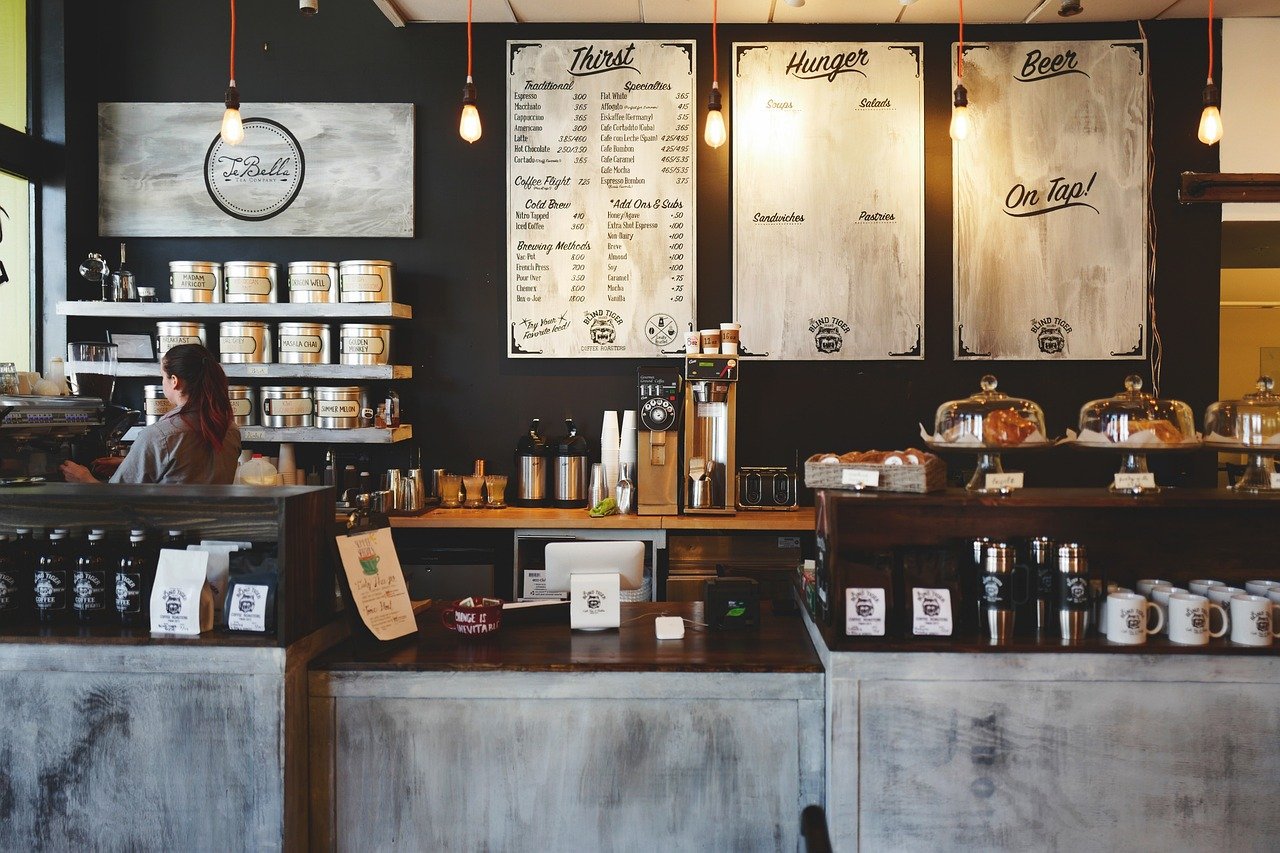
Social Hubs: Modern hotels are investing in communal spaces that promote interaction among guests. Lobbies may include co-working areas, cafes, or lounges where travelers can meet locals or fellow guests. This design philosophy fosters social connections, making the hotel itself a destination rather than just a place to stay.
-
Flexible Event Spaces: Renovated hotels are incorporating multi-functional spaces suitable for various events, from weddings to corporate meetings. Open layouts and adaptable furniture allow areas to be transformed quickly and easily, catering to guests’ diverse needs while offering unique experiences.
Regional Immersion
-
Localized Design Elements: To cater to experience-driven travelers, hotel renovations are increasingly reflecting the cultural identity of their locations. This might include artwork by local artists, cuisine from the region in restaurants, and themed decor that highlights the area’s history. Travelers feel more connected to the destination when the hotel embodies its spirit.
-
Curated Activities: Hotels are beginning to work with local businesses to offer curated activity packages that enhance the guest experience. Whether it’s guided food tours, art classes, or outdoor excursions, renovations often include spaces for activity planning or collaboration with local operators, ensuring every guest has access to unique, local experiences.
Enhanced Wellness Features
-
Wellness Trends: The rise of wellness travel has led to the incorporation of health-focused amenities into hotel renovations. Yoga studios, fitness centers with state-of-the-art equipment, and rejuvenating spas are now indispensable features that appeal to health-conscious travelers. Spaces designed for meditation and relaxation are also being woven into the fabric of hotel design.
-
Healthy Dining Options: Onsite dining is also evolving with an increased focus on health and wellness. Renovated hotels often include farm-to-table restaurants, nutrition workshops, and menus that cater to various dietary restrictions. Guests appreciate hotels that offer balanced, locally-sourced meals, enhancing their overall travel experience.
Innovative Room Categories
-
Themed Rooms: As part of renovations, hotels are introducing themed rooms that provide unique experiences tailored to different segments of travelers. For example, rooms might be designed to reflect local art styles, historical themes, or adventure-oriented concepts, adding excitement and novelty to the stay.
-
Pet-Friendly Rooms: Recognizing the importance of pets for many travelers, hotels are incorporating designs that accommodate pets. Special amenities, pet beds, and outdoor spaces are becoming common in renewed hotel environments, allowing guests to travel without leaving their furry companions behind.
Investing in Staff Training
-
Enhanced Skill Development: With guest experiences taking center stage, hotels are prioritizing staff training during renovations. Employees receive training not only in hospitality best practices but also in local culture and communication skills to provide personalized recommendations and insights.
-
Focus on Customer Service: The renovation period often incorporates a renewed focus on customer service philosophy. After all, a successfully designed hotel can still fall short without exceptional service to back it up. Staff are encouraged to focus on creating memorable experiences, changing the traditional paradigm of just providing a place to stay.
Marketing Strategies for Renovated Hotels
-
Storytelling Marketing: Renovated hotels are effectively using storytelling in their marketing strategies, sharing the narrative behind their design choices, sustainability efforts, and community engagement. This not only attracts like-minded travelers but also builds a loyal following.
-
Utilizing Digital Platforms: To connect with experience-seeking customers, renovated hotels leverage social media, influencer marketing, and online travel platforms. This allows for a broader outreach and presents the hotel renovation story engagingly, ensuring it resonates with modern travelers.
Conclusion
Renovations in the hotel industry reflect the evolving landscape of experience-driven travel. By incorporating personalization, sustainability, community engagement, regional immersion, wellness, and innovative offerings into their designs, hotels are not just rebuilding physical spaces; they are reimagining the guest experience. As traveler expectations continue to rise, these renovations will play a critical role in attracting and retaining clientele, ensuring that hotels remain at the forefront of an ever-changing industry.
