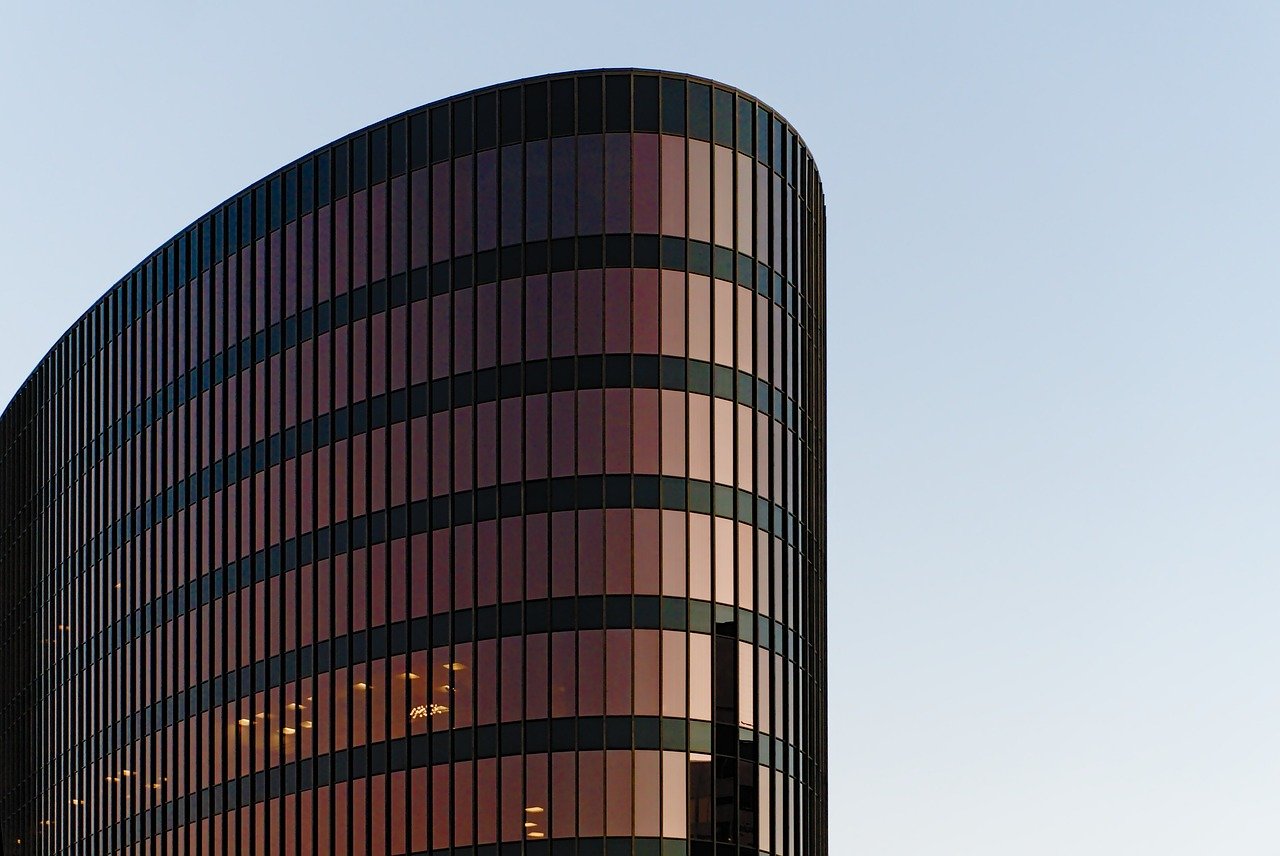

Understanding Urbanization and Its Influence on Hospitality Properties
Defining Urbanization
Urbanization refers to the increasing population concentration in urban areas, resulting in significant social, economic, and environmental transformations. As more individuals and families migrate from rural regions to cities, urbanization impacts various sectors, particularly hospitality. This shift presents unique challenges and opportunities for hotels, restaurants, and other hospitality properties.
Economic Growth and Hospitality Demand
One of the primary effects of urbanization is economic growth, leading to increased disposable income among city dwellers. As cities expand, the disposable income continuum allows for higher spending in hospitality businesses. Whether through upscale dining experiences or luxury hotel accommodations, urban centers witness an uptick in demand for diverse hospitality options.
The burgeoning middle class in urban areas plays a crucial role in this demand. More people can financially indulge in travel, dining, and leisure activities, fostering a competitive market for hospitality properties. As a result, adaptive strategies must be employed by hospitality businesses to cater to evolving consumer demands and preferences.
Real Estate Development Trends
Urbanization fuels real estate development, which directly affects hospitality properties. Rising land costs in urban areas amplify the challenge of identifying prime locations for new hotels and restaurants. Given this challenging landscape, many developers and investors explore mixed-use properties, combining offices, residences, and hospitality offerings.
Urban environments thrive on convenience and accessibility; therefore, properties with strategically located hospitality offerings tend to attract more customers. Hyperlocal experiences, where hotels and restaurants emphasize the unique cultural heritage of their urban settings, can also serve as a competitive differentiator.
Evolving Consumer Preferences
The needs and preferences of consumers continually evolve with urbanization. The millennial and Gen Z demographics, who prioritize sustainability and unique experiences, significantly influence modern hospitality. Urbanization encourages innovation in hospitality to integrate eco-friendly practices and unique storytelling that resonate with these consumers.
Sustainability has emerged as a critical concern; hospitality properties are increasingly adopting green building practices, local sourcing of food, and waste reduction strategies. This commitment not only attracts eco-conscious travelers but also enhances brand reputation and loyalty.
Innovative designs and technology integration are other vital aspects of urban hospitality. Smart hotel technologies, including mobile check-in and personalized guest experience through AI, are transforming the industry landscape. Properties that embrace these technologies not only enhance operational efficiencies but also create memorable experiences for their guests.
Increased Competition Among Hospitality Properties
Urbanization naturally leads to increased competition among existing hospitality properties. New entrants and innovative concepts continuously emerge, compelling established businesses to rethink their strategies. Relationships and partnerships between hospitality and tech firms are becoming essential for survival.
The emphasis on online reviews and social media further intensifies this competition. Properties must maintain a robust online presence and engage with potential customers through various digital platforms. Exceptional ratings and positive testimonials can significantly influence decision-making processes for travelers.
Urbanization and Globalization Interconnectedness
Urbanization often coincides with globalization, where international guest demographics increase. This leads to varying expectations from hospitality providers. Properties must balance catering to local tastes alongside global standards. Incorporating international influences while staying true to local authenticity can create a distinctive appeal.
The rise of short-term rental platforms, such as Airbnb, also epitomizes the effects of both urbanization and globalization, complicating the competitive landscape. Hospitality properties must adapt to this new norm, possibly by enhancing service levels or providing unique offerings that distinguish them from alternative accommodations.
Impact on Infrastructure and Accessibility
In urban settings, infrastructure development becomes paramount, influencing hospitality properties significantly. Improved public transportation systems, road upgrades, and pedestrian-friendly designs shape the convenience and accessibility of hospitality ventures.
Accessibility, in turn, affects guest satisfaction and retention. Properties located near major public transport hubs or attractions tend to attract higher footfall, driving up occupancy rates. Connectivity influences potential guests’ choices; thus, integrating smart transportation solutions and collaborations with local transit authorities can be beneficial.
Challenges of Urbanization: Overcrowding and Gentrification
While urbanization brings economic opportunities, it also presents significant challenges, such as overcrowding and gentrification. Overcrowded urban centers can lead to strain on public resources and environmental degradation. Hospitality properties must navigate fluctuating demand from both local and tourist populations, which can fluctuate based on seasons, events, or even public sentiment.
Gentrification can displace local communities, altering neighborhood demographics and dynamics. Hospitality businesses must adopt socially responsible practices, ensuring they contribute positively to the local economy and community life. Supporting local artisans, using locally-sourced products, and offering community-driven experiences can enhance community relations while attracting diverse clientele.
The Future of Hospitality in Urban Settings
The future of hospitality properties in urban settings necessitates adaptability and foresight. Long-term sustainability, technology integration, and community engagement will be vital components for success.
Hospitality businesses must prioritize predictive analytics to anticipate trends and consumer behaviors. Data-driven strategies will inform decision-making processes regarding amenities, services, and pricing structures.
Ultimately, embracing the multifaceted impacts of urbanization can allow hospitality properties to thrive in an ever-evolving landscape. By remaining attuned to consumer preferences, fostering local collaborations, and enhancing unique guest experiences, urban hospitality can build resilience against challenges and capitalize on new opportunities emerging from urbanization trends.
In summary, the complexities of urbanization demand a proactive and strategic approach from hospitality properties that wish to succeed in a dynamic urban landscape. By focusing on technological integration, sustainable practices, enhanced guest experiences, and community engagement practices, the hospitality sector can strategically align itself with urban trends for long-term success and growth.
