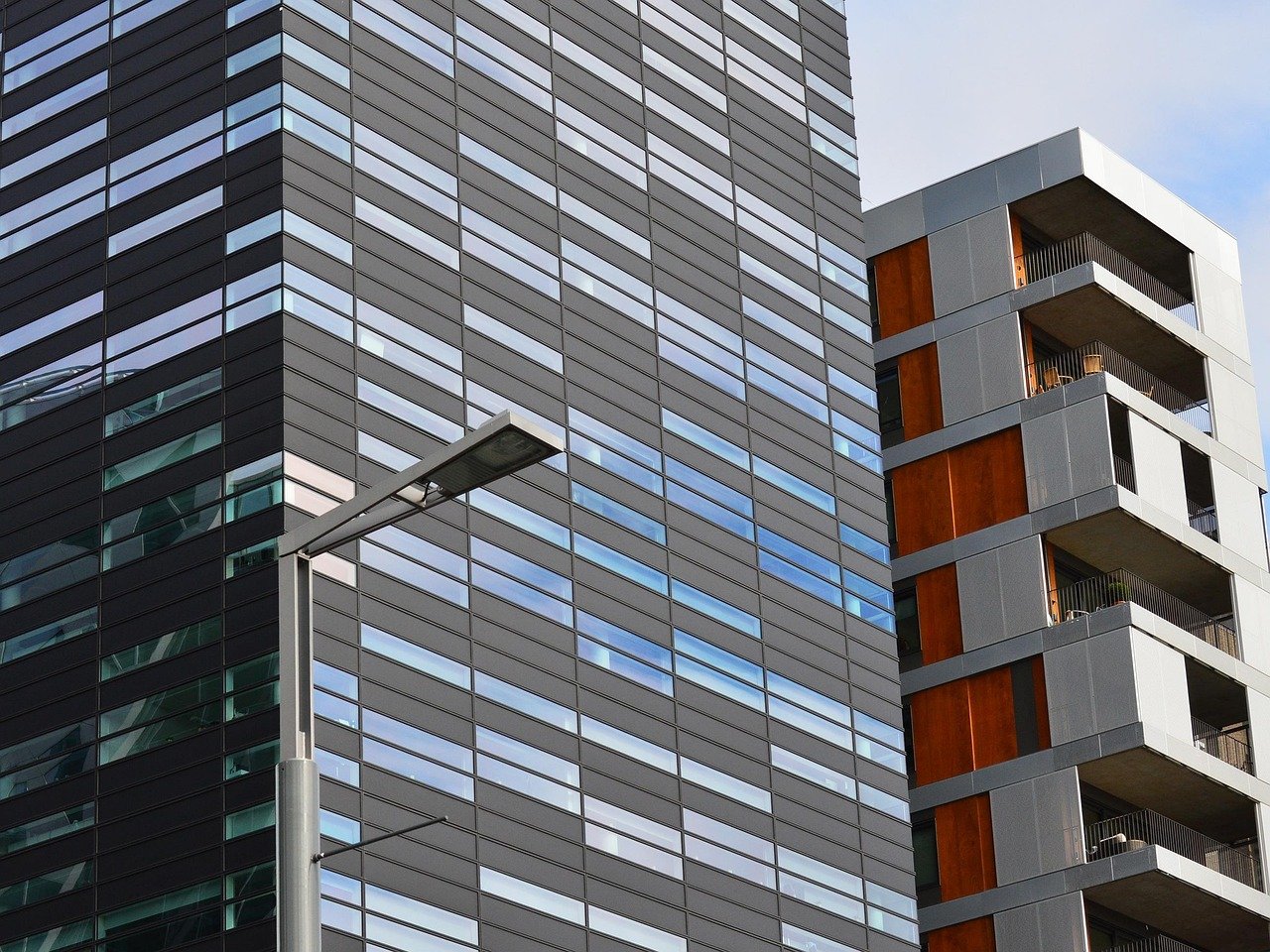

Understanding Mixed-Use Developments
Mixed-use developments represent a real estate trend that combines residential, commercial, and sometimes industrial spaces into a single project. These developments seek to create balanced environments where people can work, live, and play—all within proximity. This approach not only fosters community interaction but also keeps economic activity localized, reducing reliance on transportation. With urban areas increasingly experiencing population growth and shift towards sustainable living, mixed-use developments gain traction.
The Rise of Urbanization
The trend toward urbanization is a major factor driving the growth of mixed-use developments. According to the United Nations, nearly 68% of the world’s population is projected to live in urban areas by 2050. Cities are evolving into vibrant hubs, prompting the need for real estate models that accommodate diverse lifestyles. Mixed-use developments strategically harness this urban growth by offering residences, retail spaces, and office environments within the same structure or vicinity, making them attractive to millennials and Gen Z, who value convenience and community.
Benefits of Mixed-Use Developments
-
Economic Vibrancy: Mixed-use developments stimulate local economies by attracting businesses, which in turn creates jobs. When various industries converge in one locale, a self-sustaining ecosystem emerges. The proximity of different services enhances consumer spending and generates revenue for local governments.
-
Increased Property Value: Properties situated within mixed-use developments often experience an uptick in value. The diversification of spaces and amenities appeals to homebuyers and tenants alike, leading to heightened demand. In turn, this appreciation can significantly impact the surrounding real estate market.
-
Sustainability: With a growing emphasis on sustainable living, mixed-use developments align with environmental goals. Reduced vehicle dependency means lower carbon emissions and less traffic congestion. Incorporating parks, green roofs, and eco-friendly building materials fosters a sense of environmental stewardship.
-
Improved Quality of Life: Residents benefit from living in close proximity to shops, cafes, offices, and recreational spaces. This accessibility fosters a more vibrant lifestyle. Mixed-use spaces are increasingly designed with pedestrian-friendly features, enhancing walkability and encouraging outdoor activity.
Market Trends Driving Property Deal Growth
The allure of mixed-use developments has translated into robust property deal growth, influenced by several market trends:
1. Shift in Consumer Preferences
Consumers are gravitating towards places that offer a blend of work and leisure. The advent of remote working policies accentuates this trend, as employees seek spaces where they can live comfortably while still being close to workplaces or co-working environments. Developers are responding by creating communities that merge these functionalities.
2. Urban Revitalization
Cities are undergoing significant revitalization efforts, with long-neglected areas being transformed into thriving mixed-use neighborhoods. Governments and municipalities are investing in infrastructure improvements, making these areas more appealing to developers and businesses. The trend of adaptive reuse—taking old buildings and repurposing them for modern needs—is particularly evident in urban environments.
3. Public-Private Partnerships
Public-private partnerships are fostering the growth of mixed-use developments. Local governments often provide incentives, such as tax breaks or grants, to encourage private developers to undertake projects that align with community goals. This collaborative approach adds momentum to property deals, facilitating more innovative developments.
4. Technological Advancements
Advancements in construction technology and design have made it easier to implement mixed-use projects. The use of Building Information Modeling (BIM) software enhances the planning and design process, allowing for more complex and efficient spaces. Advances in modular construction techniques have further sped up development timelines.
Noteworthy Mixed-Use Developments
-
Hudson Yards, New York City: One of the most significant mixed-use projects globally, Hudson Yards features residential units, office space, a public plaza, and shopping areas, creating a hub of activity in Manhattan.
-
The Wharf, Washington D.C.: This waterfront development integrates residential, commercial, and recreational spaces, revitalizing the city’s waterfront while offering modern living options and a vibrant cultural scene.
-
The High Line, New York City: This elevated park has spurred a wave of mixed-use development along its route, highlighting the synergistic relationship between green spaces and urban living.
-
King’s Cross, London: A mix of commercial and residential spaces in a revitalized train station area, King’s Cross emphasizes innovative architecture and public spaces that promote community engagement.
Challenges Faced in Mixed-Use Developments
Not all mixed-use developments are successful. They come with challenges that necessitate careful planning and execution:
-
Financing: Diverse uses can complicate financing, as lenders may be uncertain about the viability of various components within a single project. Developers need a solid business model that articulates expected returns from different uses.
-
Zoning Regulations: Navigating zoning laws can be a cumbersome process. Each component of a mixed-use development often has different regulatory requirements, leading to delays or increased costs if not appropriately managed.
-
Market Heterogeneity: The varying demands for residential and commercial spaces may lead to market imbalances. Developers must conduct thorough research to ensure that there is sufficient demand for each use to avoid vacancies.
-
Community Resistance: Local communities may have apprehensions about high-density developments impacting traffic, infrastructure, or local culture. Engaging with residents early in the planning process can alleviate concerns and foster greater acceptance.
Conclusion
The mixed-use development model is shaping the future of urban real estate. As cities expand, and lifestyles evolve, mixed-use properties are becoming essential in meeting the diverse needs of urban populations. The synergy of work, living, and recreational spaces not only enhances property value but also contributes to vibrant, sustainable communities. With the proper navigational strategies to address the accompanying challenges, mixed-use developments are set to lead property deal growth in the coming years.
