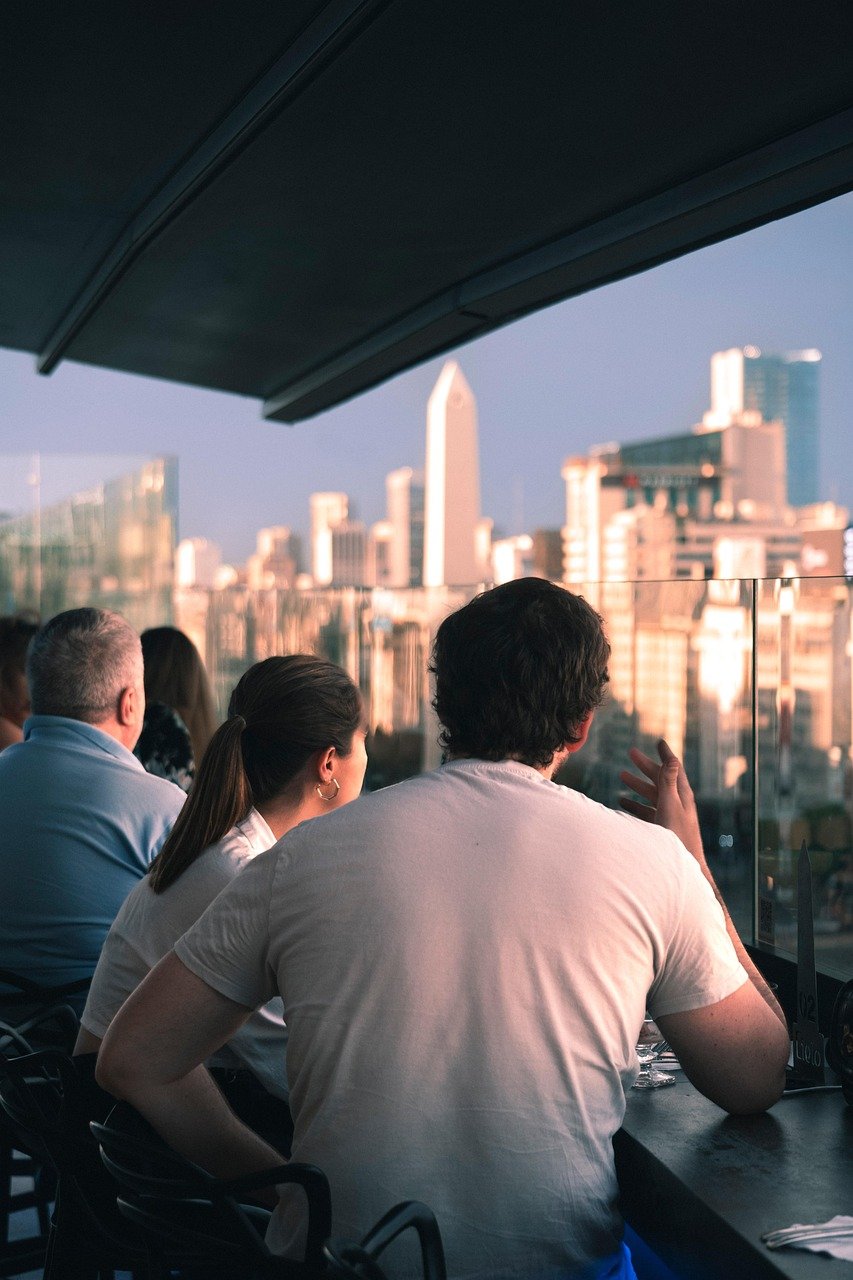

Urban planning has evolved significantly over the years, adapting to the changing needs of urban populations. As cities expand and face various challenges—like overcrowding, pollution, and housing shortages—there is a growing emphasis on reimagining residential spaces through innovation and technology. This merging of urban planning and innovative design allows for the creation of smart, sustainable communities that prioritize livability, accessibility, and environmental stewardship.
### The Role of Technology in Urban Planning
Technology plays an integral role in redefining residential spaces. The integration of smart technologies, such as the Internet of Things (IoT), artificial intelligence (AI), and data analytics, allows urban planners to gather critical information about urban dynamics. For example, sensors placed throughout neighborhoods can monitor traffic flow, air quality, and energy consumption in real time. This data enables planners to make informed decisions, predict trends, and implement responsive strategies to enhance residential living.
Moreover, smart housing solutions, including energy-efficient appliances and home automation systems, empower residents to control their environments more effectively while reducing their carbon footprints. Such technologies not only improve the quality of life by offering convenience and security but also align with global efforts to combat climate change.
### Sustainable Residential Developments
As urban populations grow, sustainability becomes paramount in residential planning. Developers and city planners are increasingly focusing on eco-friendly materials, green spaces, and efficient waste management systems. Residential projects now commonly incorporate green roofs, rainwater harvesting systems, and solar panels. These features not only reduce the ecological impact of buildings but also create pleasant living environments.
Innovative housing models, such as micro-apartments, co-housing spaces, and modular homes, effectively address the issue of urban sprawl while promoting community interaction. These designs prioritize efficient use of space and resources, supporting a more sustainable urban ecosystem.
### Community-Centric Urban Designs
Innovative urban planning emphasizes community engagement and connectivity. Urban planners are rethinking traditional layouts in favor of pedestrian-friendly designs that promote walkability and cycling. The integration of public transportation hubs, bike lanes, and pedestrian pathways is vital for reducing reliance on cars and fostering a sense of community.
Mixed-use developments that combine residential, commercial, and recreational spaces enable residents to access amenities within walking distance, supporting local businesses while enhancing social interactions. Urban parks, community gardens, and public art installations create inviting spaces for residents to gather, exchange ideas, and foster relationships.
### Smart Residential Towns
The concept of smart towns is a manifestation of innovation in urban planning. These are comprehensive neighborhoods embedded with technology to enhance the quality of living through connectivity, efficiency, and sustainability. Smart town initiatives include features such as autonomous vehicles, smart lighting, and integrated community systems that streamline access to services.
For instance, traffic management systems can be designed to optimize flow during high-demand periods, significantly reducing congestion and improving air quality. Similarly, energy management systems can help monitor consumption at a regional level and encourage residents to adhere to sustainable practices through real-time feedback.
### Resilience and Adaptation in Urban Spaces
Urban planning innovation also focuses on resilience—an essential factor in preparing cities for the impacts of climate change, natural disasters, and demographic shifts. Residential development strategies must include plans for extreme weather, such as flood-resistant constructions and heat mitigation solutions.
Urban planners are implementing green infrastructure, such as permeable pavements and strategic landscaping, to manage stormwater runoff and reduce urban heat island effects. Additionally, adaptive reuse projects, which involve repurposing existing buildings instead of demolishing them, contribute to sustainability while preserving historical and cultural identities.
### Integrating Green Spaces into Urban Frameworks
Green spaces are vital to modern urban design. Urban planners recognize that parks, gardens, and green corridors play a significant role in enhancing mental well-being and promoting biodiversity. Integrating green spaces into residential designs not only beautifies neighborhoods but also improves air quality and aids in temperature regulation.
Health-focused residential planning includes features like outdoor fitness areas and community gardening plots. These spaces encourage physical activity and interactions between residents, contributing to overall community health and cohesion.
### Policy and Collaboration
The convergence of innovation and urban planning requires collaborative efforts among stakeholders. Policymakers, city planners, developers, and residents must work together to create policies that facilitate innovative residential solutions. Zoning laws must evolve to accommodate mixed-use spaces and sustainable construction practices while ensuring affordable housing options remain accessible.
Public-private partnerships can drive funding and resources towards innovative residential projects. Engaging community members in the planning process not only fosters transparency but also encourages buy-in, ensuring the developments meet the real needs of residents.
### Conclusion: A Vision for the Future
As urban planning converges with innovation, the future of residential spaces looks promising. By leveraging technology, sustainability, and community engagement, urban planners are redefining what it means to live in a city. Emphasizing livability, environmental responsibility, and social interaction will lead to vibrant communities tailored to meet the demands of modern life. As urban areas continue to grow, the successful integration of innovative ideas will be paramount in shaping resilient, adaptive, and prosperous urban landscapes.
