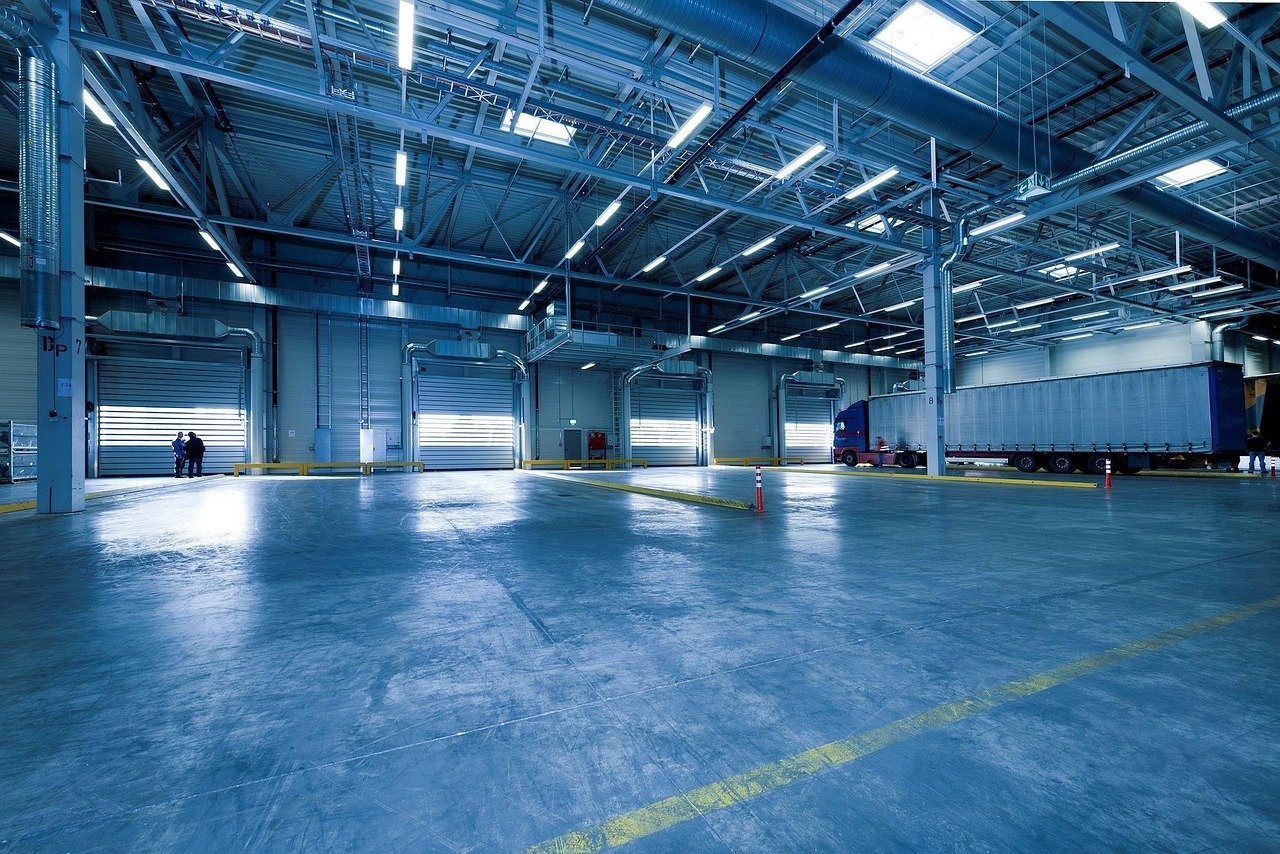

Understanding Logistics Real Estate in America
The landscape of logistics real estate in America has undergone a transformative shift in recent years, largely influenced by the surge in e-commerce, globalization of supply chains, and advancements in technology. With these changes, real estate investors and developers have recognized the importance of optimizing space through automation and advanced logistics solutions. This article delves into the factors reshaping logistics real estate, the role of automation, and the implications for stakeholders across the industry.
The Rise of E-Commerce and Its Impact
The booming e-commerce sector has been a primary driver of logistics real estate demand. According to various reports, U.S. e-commerce sales surged significantly, particularly during and after the COVID-19 pandemic. This surge has led retailers to rethink their distribution strategies and consider investing heavily in logistics properties. The need for distribution centers, fulfillment centers, and last-mile delivery hubs has become evident, resulting in a growing appetite for industrial spaces.
Types of Logistics Real Estate
Logistics real estate can be categorized into various types, each serving distinct purposes. These include:
-
Distribution Centers: Large warehouses strategically located to facilitate efficient distribution of goods across regions. They often house inventory for multiple retailers.
-
Fulfillment Centers: Similar to distribution centers but designed explicitly to receive and ship smaller orders directly to consumers, especially important for e-commerce businesses.
-
Last-Mile Hubs: Facilities that focus on the final leg of the delivery journey, these are usually located close to urban centers to ensure rapid delivery times.
-
Cold Storage Facilities: Essential for businesses dealing with perishable goods, these temperature-controlled warehouses have gained prominence, especially in the food and pharmaceutical industries.
The Role of Automation in Enhancing Efficiency
Automation has become integral to logistics operations and real estate. Modern warehouses increasingly employ automated systems to streamline operations, improve accuracy, and reduce human error. Key automation technologies include:
-
Robotic Process Automation (RPA): Robots take on repetitive tasks, such as sorting and packing, allowing human workers to focus on more complex responsibilities. This shift boosts productivity and efficiency.
-
Automated Guided Vehicles (AGVs): These driverless vehicles navigate warehouses to transport goods, reducing labor costs and increasing operational speed.
-
Artificial Intelligence (AI): AI is used to optimize inventory management and demand forecasting, ensuring that warehouses maintain the right amount of stock to meet customer expectations.
-
Warehouse Management Systems (WMS): Advanced software tools provide real-time data analysis and control of warehouse operations, enhancing decision-making processes.
Strategic Location and Site Selection
The logistics real estate sector relies heavily on strategic location selection. Proximity to transportation hubs like airports, ports, and highways is critical for effective distribution. Major metropolitan areas often become focal points for logistics development due to their dense population and robust infrastructure.
Developers must also consider zoning regulations, local labor markets, and environmental policies when selecting sites for new logistics facilities. The trend of “nearshoring,” where companies move operations closer to consumer markets, has led to increased investment in suburban areas surrounding major cities.
Sustainability in Logistics Real Estate
Sustainability has emerged as a key consideration in the development of logistics real estate. Stakeholders are recognizing the need to embrace eco-friendly practices to minimize environmental impact. Some focal points include:
-
Green Building Certifications: Facilities are increasingly being built to meet LEED (Leadership in Energy and Environmental Design) standards, focusing on energy efficiency and sustainable materials.
-
Renewable Energy Sources: Incorporating solar panels, wind turbines, and other renewable energy technologies can drastically reduce operating costs and carbon footprints.
-
Electric Vehicle Charging Stations: As electric vehicles become more prevalent, logistics real estate providers are investing in charging infrastructure to support green transportation initiatives.
Challenges Facing the Logistics Real Estate Sector
Despite its rapid growth, the logistics real estate sector faces challenges that stakeholders must navigate effectively:
-
Supply Chain Disruptions: Global events, such as geopolitical tensions or natural disasters, can disrupt supply chains and impact the demand for logistics facilities.
-
Labor Shortages: The logistics sector is sensitive to workforce availability. Competition for skilled labor, coupled with the need for advanced tech-savvy employees, presents ongoing challenges.
-
Technological Barriers: While automation offers many benefits, the initial investment in technology can be substantial. Smaller companies may struggle to keep up with technological advancements that larger competitors can afford.
Future Trends in Logistics Real Estate
Looking forward, several trends are poised to shape the future of logistics real estate:
-
Increased Investment in Automation and AI: As companies continue to seek efficiency, further integration of automation and AI will likely occur, resulting in smarter, more responsive logistics operations.
-
Growth of E-Commerce Fulfillment Needs: As online shopping continues to trend upward, the demand for logistics real estate, particularly fulfillment centers, is expected to increase.
-
Data-Driven Decision Making: The rise of big data analytics enables logistics companies to make more informed decisions in real time, impacting everything from inventory management to site selection.
-
Restructuring Supply Chains: In response to recent disruptions, companies may restructure their supply chains to be more resilient, influencing how logistics facilities are developed and used.
-
Flexibility in Design: Future warehouses and logistics centers will likely emphasize flexible designs that can adapt to varying sizes and types of inventory, catering to the changing demands of tenants.
Conclusion
The logistics real estate sector in America stands at the cusp of unprecedented growth and innovation, driven by automation and evolving market dynamics. As e-commerce continues to expand, stakeholders must adapt to the changing demands of the industry, ensuring they embrace technologies and practices that enhance efficiency and sustainability. Investing in logistics real estate represents not just a financial opportunity, but a strategic necessity for companies aiming to thrive in this new era of distribution and fulfillment.
