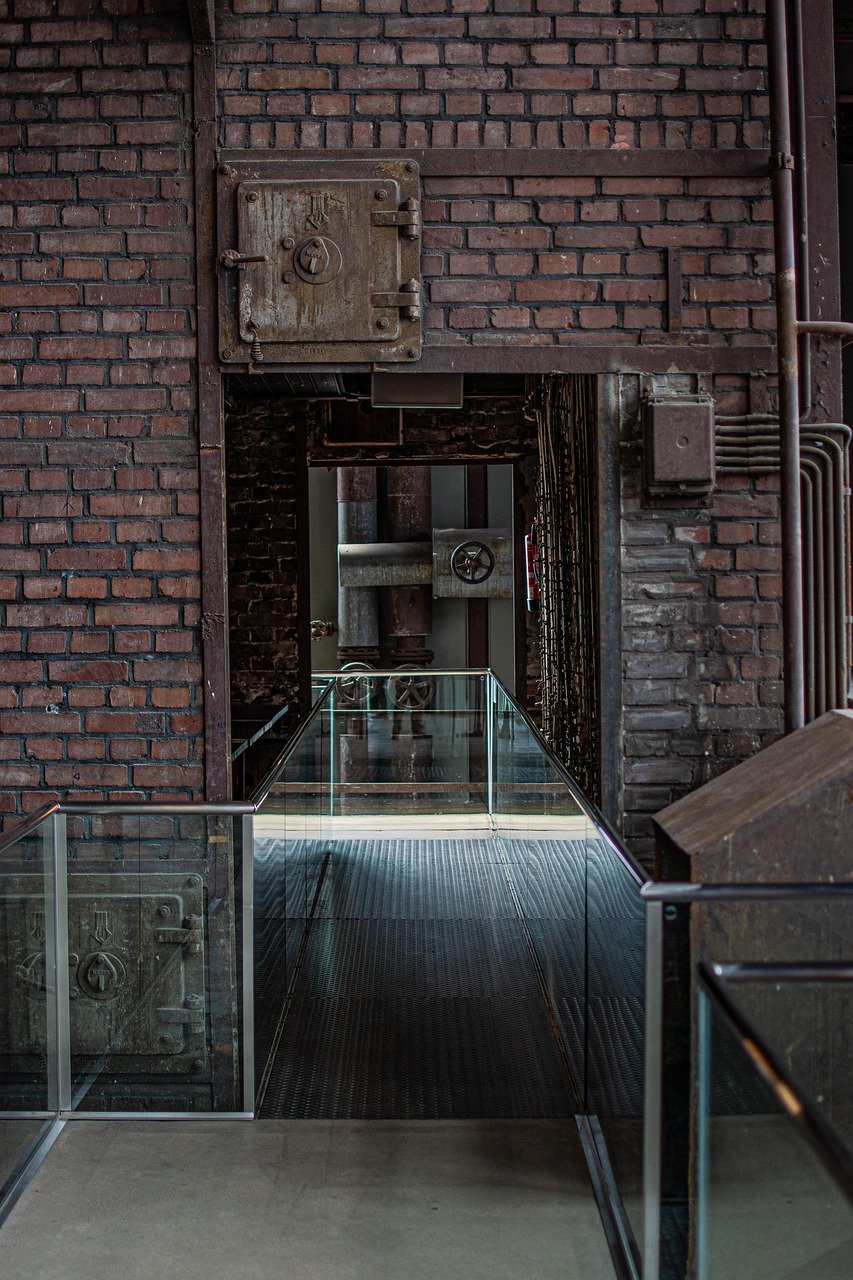

Washington State Industrial Parks: Adapting for Future Sustainability
Understanding Industrial Parks
Industrial parks are designated areas for industrial development, typically housing manufacturing facilities, distribution centers, and logistics operations. In Washington State, these parks play a pivotal role in the economy, accommodating diverse sectors such as technology, aerospace, and clean energy. As sustainability becomes more crucial due to climate change and resource management issues, Washington State industrial parks are evolving to meet these challenges head-on.
The Importance of Sustainability in Industrial Parks
Sustainability in industrial parks not only minimizes environmental impacts but also enhances economic viability and community well-being. Businesses increasingly recognize that sustainable practices can lead to reduced operational costs and improved public image. This shift is particularly evident in Washington, where the state’s commitment to environmental stewardship and innovation drives transformations in industrial real estate developments.
Renewable Energy Integration
One of the primary ways Washington’s industrial parks are adapting is through the integration of renewable energy sources. Many parks are installing solar panels, wind turbines, and energy-efficient systems to power their operations. For example, the Port of Seattle has invested in solar energy within its industrial zones, leading to substantial reductions in carbon emissions. The state government also offers incentives for businesses adopting sustainable energy practices, fostering a culture of renewable energy within these parks.
Focus on Green Infrastructure
Green infrastructure is becoming a fundamental aspect of industrial park design. By incorporating features such as green roofs, pervious pavements, and bio-retention areas, industrial parks can manage stormwater more effectively while improving air quality. Washington State’s Department of Ecology promotes green infrastructure as a way to enhance the resilience of industrial areas against flooding and other climate-related impacts. These designs contribute to an overall healthier ecosystem and promote biodiversity.
Advanced Waste Management Solutions
Effective waste management strategies are crucial for the sustainability of industrial parks. Many facilities are innovating by implementing circular economy principles, where waste materials are repurposed and reused within the production processes. In Washington State, several industrial parks are adopting techniques like zero-waste certification, which encourages businesses to recycle and compost waste. Firms, such as Boeing and Amazon, lead the way by setting ambitious recycling targets and utilizing advanced technologies to manage waste efficiently.
Transportation and Logistics Innovations
Transportation is a significant contributor to carbon emissions, making it essential for industrial parks to adopt sustainable logistics practices. Washington’s industrial parks are increasingly utilizing electric and hybrid vehicles, exploring alternative fuels, and optimizing routing and delivery schedules. The state is also enhancing public transit options to connect industrial zones with urban centers, reducing reliance on single-occupancy vehicles and minimizing traffic congestion.
Collaboration with Tech Companies
The integration of technology has a significant role in the sustainability efforts of Washington’s industrial parks. Collaborations with tech companies specializing in clean technology, logistics optimization, and IoT (Internet of Things) systems are becoming common. For instance, companies in industrial parks are using smart sensors to monitor energy consumption, optimize resources, and forecast demand, ultimately leading to reduced waste and enhanced efficiencies.
Employee Engagement and Community Involvement
Sustainability goes beyond infrastructure and technology; it also includes the people who work within these parks. Engaging employees in sustainability initiatives, through volunteer programs or educational workshops, fosters a culture of environmental responsibility. Many parks are encouraging community involvement by partnering with local businesses and universities to promote sustainable practices. Engagement helps generate local support and creates a sense of shared responsibility for environmental stewardship.
Regulatory Support and Policies
Washington State’s government plays a vital role in supporting sustainable industrial practices. Legislation promoting green building standards, energy efficiency, and emissions reductions provides a framework for industrial parks to operate sustainably. Programs such as the Washington State Department of Commerce’s Clean Energy Fund support businesses in transitioning to greener practices, making it easier for industrial parks to implement sustainable technologies.
Future Trends in Sustainable Industrial Parks
As environmental concerns continue to grow, future trends in Washington’s industrial parks will likely include the following:
-
Increased Automation: Advanced manufacturing techniques and robotics will enhance efficiency while reducing environmental footprints.
-
Circular Economy Practices: More businesses will adopt circular models, where the lifecycle of products is analyzed and managed sustainably, minimizing waste and resource consumption.
-
Carbon Neutrality Goals: Many parks will aim for carbon neutrality, incorporating electric charging stations and committing to renewable energy usage.
-
Water Efficiency Innovations: Advanced water management techniques, including rainwater harvesting and greywater recycling, will become standardized features in industrial parks.
Measuring Sustainability Success
To ensure ongoing progress toward sustainability, it’s essential to set clear metrics for success. Washington State’s industrial parks will increasingly adopt KPIs (Key Performance Indicators) such as carbon reduction rates, energy consumption reduction, and waste diversion percentages. These metrics not only hold companies accountable but also provide valuable data that can encourage further innovation in sustainable practices.
Case Studies of Sustainable Practices
Several industrial parks in Washington serve as exemplars of sustainability:
-
Cedar Hills Regional Landfill: This facility has set the standard for waste management through its comprehensive recycling and composting programs, significantly reducing landfill waste.
-
Sumner Industrial Park: With solar arrays and energy-efficient designs, Sumner is an archetype of integrating renewable energy into industrial operations.
-
Boeing’s Renton Factory: Not only does it focus on energy efficiency, but its commitment to sustainable manufacturing practices sets an industry benchmark.
Conclusion
As Washington State industrial parks adapt to meet the challenges of future sustainability, their evolution will epitomize the intersection of eco-friendly practices and economic vitality, proving that green initiatives can significantly benefit both the environment and businesses. By embracing a sustainable future, these industrial parks will not only bolster local economies but also create a blueprint for other regions aiming to integrate sustainability into their industrial infrastructure.
