
Luxury Living in California: Trends Shaping the Market
1. Rise of Sustainable Living in Luxury Homes
Sustainability is no longer a niche market; it’s a prerequisite for luxury properties in California. Homeowners are increasingly prioritizing eco-friendly features, with solar panels, energy-efficient appliances, and sustainable materials becoming standard elements in high-end constructions. Developers are focusing on LEED-certified buildings and zero-energy designs, recognizing that affluent buyers are keen to invest in homes that reflect their environmental values. The demand for sustainable luxury extends to landscaping, with drought-resistant gardens and natural pools gaining popularity, particularly in drought-prone areas.
2. Smart Home Technology Integration
Technological innovation significantly influences luxury living. High-end California homes are now becoming smart homes, equipped with advanced technology that allows residents to control everything from lighting and climate to security systems remotely. Homes are being developed with integrated smart systems such as voice-controlled assistants, automated curtains, and sophisticated security features. Buyers are attracted to properties that offer convenience, security, and energy management, pointing to a future where technology enhances the luxury living experience.
3. Outdoor Living and Entertainment Spaces
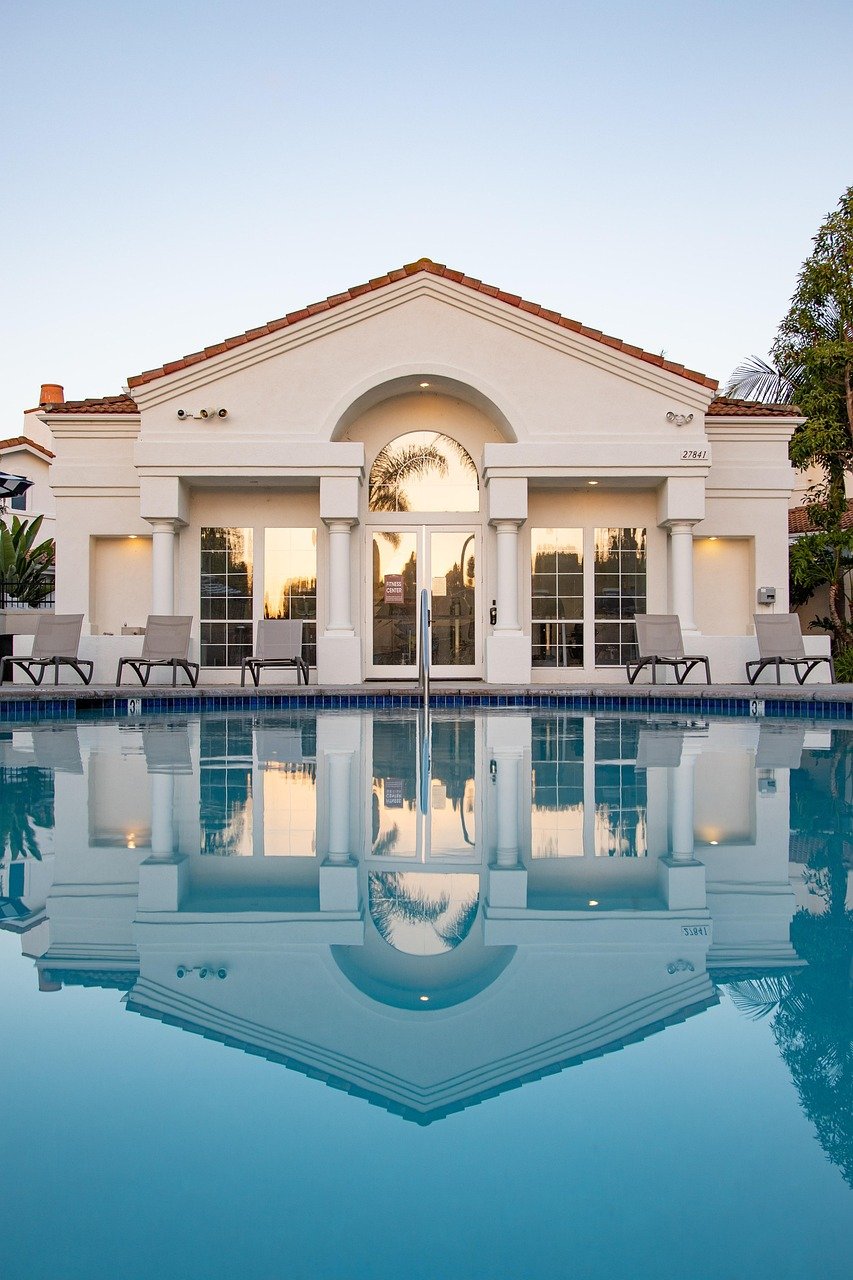
California’s temperate climate fosters an emphasis on outdoor living. Luxury homes increasingly feature expansive outdoor spaces that blend seamlessly with interiors. Buyers seek amenities such as outdoor kitchens, infinity pools, fire pits, and landscaped gardens. Major developments are gravitating toward creating multi-functional outdoor areas that serve as entertainment venues, promoting a lifestyle centered around gatherings with family and friends. As this trend gains traction, the existing luxury property market sees significant renovations and expansions of outdoor spaces.
4. Location Preferences: Coastal vs. Urban Luxury
In recent years, there has been a palpable shift in location preferences among luxury buyers. Coastal areas, such as Malibu and Santa Barbara, continue to hold allure due to their breathtaking ocean views and relaxed lifestyle. However, urban centers like San Francisco, Los Angeles, and San Diego have seen a resurgence in demand for sophisticated high-rise living. As remote work becomes commonplace, affluent buyers are choosing urban environments that offer cultural amenities and vibrant nightlife while maintaining the option for weekend retreats to the coast.
5. Emphasis on Wellness and Health Amenities
Luxury living is no longer solely about opulence; wellness is becoming a cornerstone of high-end real estate. Homebuyers prioritize features such as home gyms, yoga studios, and meditation spaces. Developments are increasingly incorporating wellness amenities like saunas, spas, and salt rooms. Outdoor spaces are designed to encourage physical activity and relaxation, with walking paths and meditation gardens becoming prominent features. This trend is a reflection of a broader societal focus on health, driving luxury buyers to seek properties that enhance their mental and physical well-being.
6. The Influence of Global Buyers
California’s luxury market remains a global magnet for affluent individuals. International buyers, particularly from Asia and Europe, significantly contribute to the landscape. They are often drawn to California’s innovative atmosphere, diverse culture, and investment potential. This influx of foreign capital continues to drive up property prices, particularly in high-demand areas. Developers and realtors are adapting their marketing strategies to attract international buyers, emphasizing California’s lifestyle, educational institutions, and business opportunities.
7. High Demand for Customization and Personalization
Luxury buyers are increasingly looking for personalization in their homes. A shift is evident from generic luxury properties to bespoke residences that reflect the owner’s unique style and preferences. This trend has led to a rise in custom home builders and interior designers specializing in crafting personalized spaces that resonate with their clients. Features like custom-designed kitchens, luxury home theaters, and unique architectural elements are sought after, as buyers prioritize individuality in their luxury purchases.
8. Increased Focus on Security and Privacy
With luxury living comes an enhanced expectation for security and privacy. Homes are now equipped with advanced surveillance systems, gated entrances, and even bulletproof features in some cases. Buyers are willing to invest substantially in these security measures, particularly in high-profile neighborhoods. There is also a growing interest in properties that offer natural privacy barriers, such as dense trees or landscaped designs, ensuring that affluent homeowners can retreat without intrusion.
9. Integration of Art and Culture
The convergence of luxury real estate and art is becoming increasingly evident in California. Homeowners are looking for properties that not only boast stunning architecture but also serve as galleries for their art collections. Developers are designing spaces with open layouts, allowing for the seamless display of artwork. Furthermore, partnerships between real estate developers and local artists are emerging, resulting in unique installations and architectural features that ensure each home has its own character and story.
10. Shift in Buyer Demographics
The luxury market is evolving, with younger buyers entering the fray. Millennials and Gen Z are beginning to establish their presence in the high-end real estate scene, bringing different priorities and values. These younger buyers tend to emphasize experiences over material possessions and lean towards properties that reflect their lifestyle, such as those with vibrant communities and environmentally-conscious features. This shift is prompting developers to adapt their offerings to cater to this emerging demographic, ensuring that California’s luxury living landscape continues to evolve.
11. Focus on Multi-Generational Living
As families grow, the need for versatile living spaces has arisen. Luxury homes are increasingly designed to accommodate multi-generational living, featuring separate guest suites, independent entrances, and ample common areas. This trend reflects societal changes in family structures and priorities, as many families are choosing to live together under one roof for both economic and emotional support. Developers are keenly aware of this trend and are incorporating flexible layouts into new luxury constructions.
12. Market Recovery and Resilience
Despite challenges such as economic fluctuations, California’s luxury real estate market continues to show resilience. High-net-worth individuals are often less affected by economic downturns, making luxury property a stable investment. As interest rates fluctuate, the luxury sector still sees active competition and considerable demand. This resilience is evident in the quick recovery of market values, as buyers quickly capitalize on perceived opportunities, demonstrating the enduring appeal of luxury living in California, regardless of broader economic conditions.
California’s luxury living landscape remains vibrant and dynamic, continually shaped by emerging trends and shifting buyer preferences. It reflects broader societal changes, technological advancements, and global influences, making it an interesting market for both buyers and investors alike.
