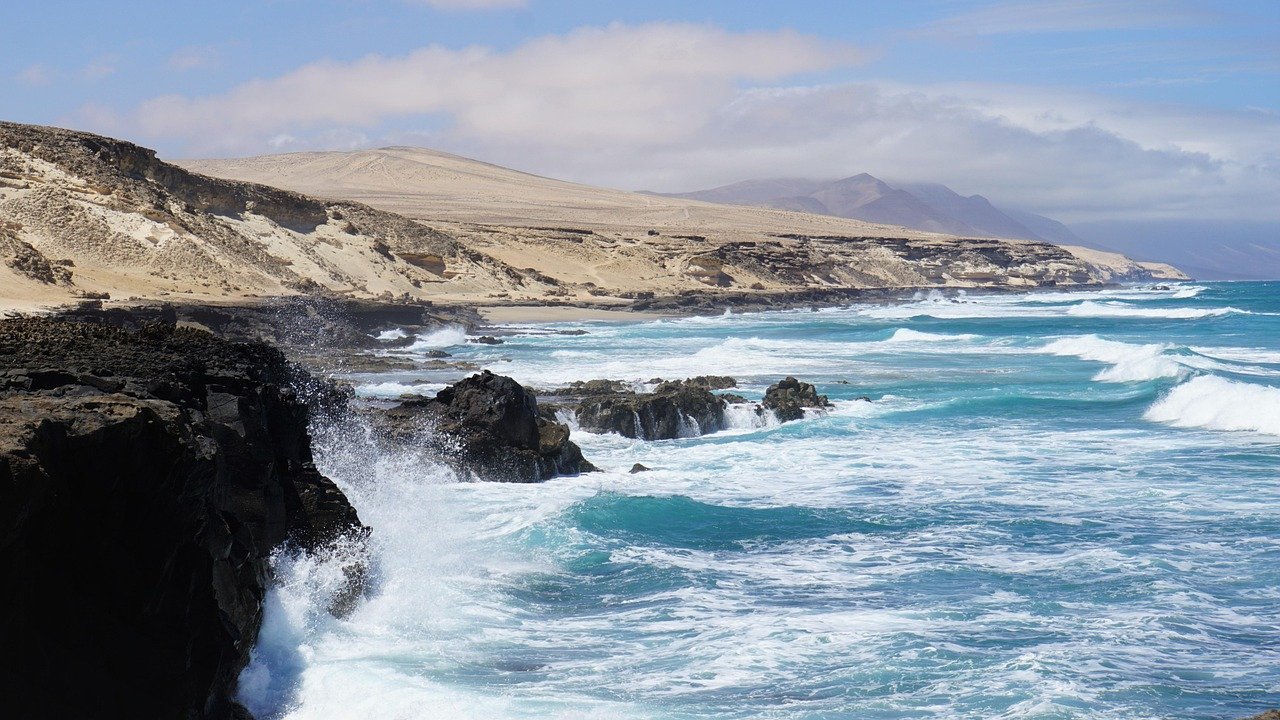

Understanding Island Developments and Their Unique Challenges
Islands face unique challenges regarding development and sustainability. Limited land space, vulnerability to climate change, and reliance on imported resources necessitate a strategic approach to development. Island economies often depend on tourism, agriculture, and fishing, which can lead to environmental degradation. Future-proofing these developments requires an innovative blend of sustainable technologies that address both ecological concerns and economic viability.
Key Sustainable Technologies for Island Developments
1. Renewable Energy Solutions
One of the most pressing needs for island developments is energy independence. Most islands rely heavily on imported fossil fuels, which are not only expensive but also unsustainable.
-
Solar Photovoltaics: Solar panels can harness abundant sunlight on islands, turning solar energy into a clean power source. Innovative applications include floating solar farms on reservoirs or ocean surfaces, thus maximizing land use.
-
Wind Energy: Offshore wind farms offer a promising solution, capturing wind energy over vast ocean expanses. Advanced turbine technology enhances efficiency and minimizes the impact on local wildlife.
-
Wave and Tidal Energy: Islands surrounded by oceans can exploit wave and tidal energies. Technologies that convert ocean movements into power help ensure a steady, renewable energy supply, reducing reliance on imported fuels.
2. Sustainable Water Management Systems
Access to fresh water poses a challenge for many islands. Desalination, though effective, can be energy-intensive.
-
Rainwater Harvesting: This technology captures and stores precipitation, drastically reducing dependence on external water sources. Roof designs can facilitate efficient water collection.
-
Water Recycling Systems: Innovative wastewater treatment processes can purify and recycle water, making it usable for irrigation and other non-potable needs. Implementing decentralized systems can enhance resilience against drought.
3. Eco-Friendly Transportation
Transport on islands often relies on fossil fuels, contributing to pollution and resource depletion.
-
Electric Vehicles (EVs): Introducing electric buses and shared EV systems can significantly reduce greenhouse gas emissions. Infrastructure for charging stations powered by renewable energy sources is crucial.
-
Bicycle and Pedestrian Infrastructure: Designing walkable communities with bike lanes promotes healthier, less carbon-intensive modes of transportation.
4. Smart Infrastructure
Integrating technology into infrastructure can optimize resource consumption and enhance quality of life.
-
Smart Grids: A smart energy grid can balance supply and demand, incorporating data analytics for efficient energy distribution. This system allows for the use of distributed energy resources such as solar and wind.
-
Building Automation: Systems designed for energy efficiency can reduce energy consumption in buildings. Automated heating, ventilation, air conditioning, and lighting systems can adjust based on occupancy and external weather conditions.
Building Techniques for Sustainability
1. Green Construction Materials
Using sustainable materials impacts both the environment and the economy of island developments.
-
Recycled Materials: Utilizing recycled materials in construction can lower the environmental footprint. Aluminum, glass, and concrete can be repurposed, reducing waste and conserving resources.
-
Local Materials: Sourcing construction materials locally decreases transportation emissions and supports regional economies. Materials like bamboo or rammed earth provide sustainable alternatives with low environmental impacts.
2. Biophilic Design
Integrating nature into architectural designs not only enhances aesthetic appeal but also improves residents’ psychological well-being.
-
Natural Ventilation: Designing buildings to encourage airflow reduces reliance on air conditioning, leading to energy savings. Large windows and open spaces improve airflow and natural lighting.
-
Green Roofs and Vertical Gardens: These features support biodiversity, reduce urban heat islands, and provide insulation against extreme weather, effectively managing stormwater.
Community Engagement and Education
Community buy-in is essential for the success of sustainable technologies in island developments.
-
Public Awareness Campaigns: Educating residents about the benefits of sustainability fosters a culture of conservation. Workshops, seminars, and informational campaigns can increase participation in local sustainability initiatives.
-
Incentivizing Participation: Governments can provide tax rebates or financial incentives to individuals and businesses that adopt sustainable practices, motivating increased engagement.
Policy Frameworks for Sustainable Island Development
1. Zoning Regulations
Effective zoning can facilitate the ease of implementing sustainable technologies.
- Sustainable Land Use Planning: Creating zones specifically designated for sustainable practices encourages developers to prioritize eco-friendly technologies, ensuring balanced growth without compromising natural habitats.
2. Financial Incentives
Policies promoting funding for sustainable initiatives can accelerate island development.
- Grants and Loans: Offering low-interest loans and grants for renewable energy installations and sustainable construction practices encourages stakeholders to invest in green technologies.
3. Partnerships and Collaborations
Collaboration among local governments, private sectors, and NGOs can lead to innovative solutions.
- Public-Private Partnerships (PPPs): By leveraging private investment for public services, islands can implement sustainable projects without overburdening local economies.
Monitoring and Continuous Improvement
Sustainability is an ongoing process, emphasizing the importance of monitoring outcomes and adapting strategies.
-
Data Analytics and Reporting: Using technology to gather and analyze data helps assess the efficacy of implemented solutions. Regular environmental impact assessments ensure that practices remain effective and adjustments can be made based on real-world applications.
-
Community Feedback Mechanisms: Establishing avenues for community feedback allows residents to voice concerns and suggestions about sustainability initiatives, fostering a participatory approach that enhances local commitment.
Innovative Case Studies
1. The Maldives: Renewable Energy in Paradise
The Maldives has initiated projects through its Energy Policy Framework, aiming to derive 100% of its energy from renewable sources by 2023. Solar energy installations have proliferated, contributing significantly to their grid, demonstrating a successful transition toward sustainability.
2. Seychelles: Sustainable Tourism and Ecosystem Preservation
Seychelles focuses on sustainable tourism practices that promote environmental conservation while supporting local livelihoods. Initiatives combining traditional practices with modern technologies have allowed the nation to maintain its biodiversity and allure as a tourist destination.
3. Boracay Island, Philippines: Eco-Conscious Rehabilitation
Following environmental degradation, Boracay underwent a regeneration program aimed at restoring its ecosystems through sustainable infrastructure and education. With actionable strategies emphasizing waste management and energy efficiency, the island is a model for resilient tourism-heavy locations.
Conclusion
Sustainable technologies hold the key to future-proofing island developments. By adopting renewable energy solutions, innovative water management, eco-friendly transportation, and smart infrastructure while engaging communities and establishing supportive policy frameworks, islands can create resilient and thriving environments. Investing in these strategies ensures that ecological and economic needs are met sustainably, paving the way for livable islands today and for generations to come.
