
Understanding Eco-Conscious Developments
Eco-conscious developments represent a significant shift in how we approach sustainable living, particularly in sensitive areas like coastal islands. These islands face unique ecological challenges, including rising sea levels, habitat loss, and the effects of climate change. Therefore, eco-conscious development is essential not only for preserving the environment but also for ensuring the longevity of these coastal communities.
The Importance of Coastal Islands
Coastal islands play a crucial role in biodiversity, housing numerous species of flora and fauna. They also serve as critical buffers against storms and flooding, protecting inland areas. However, with increasing urbanization and tourism, many of these islands suffer from overdevelopment, threatening their ecological balance and native species.
Principles of Eco-Conscious Designing
-
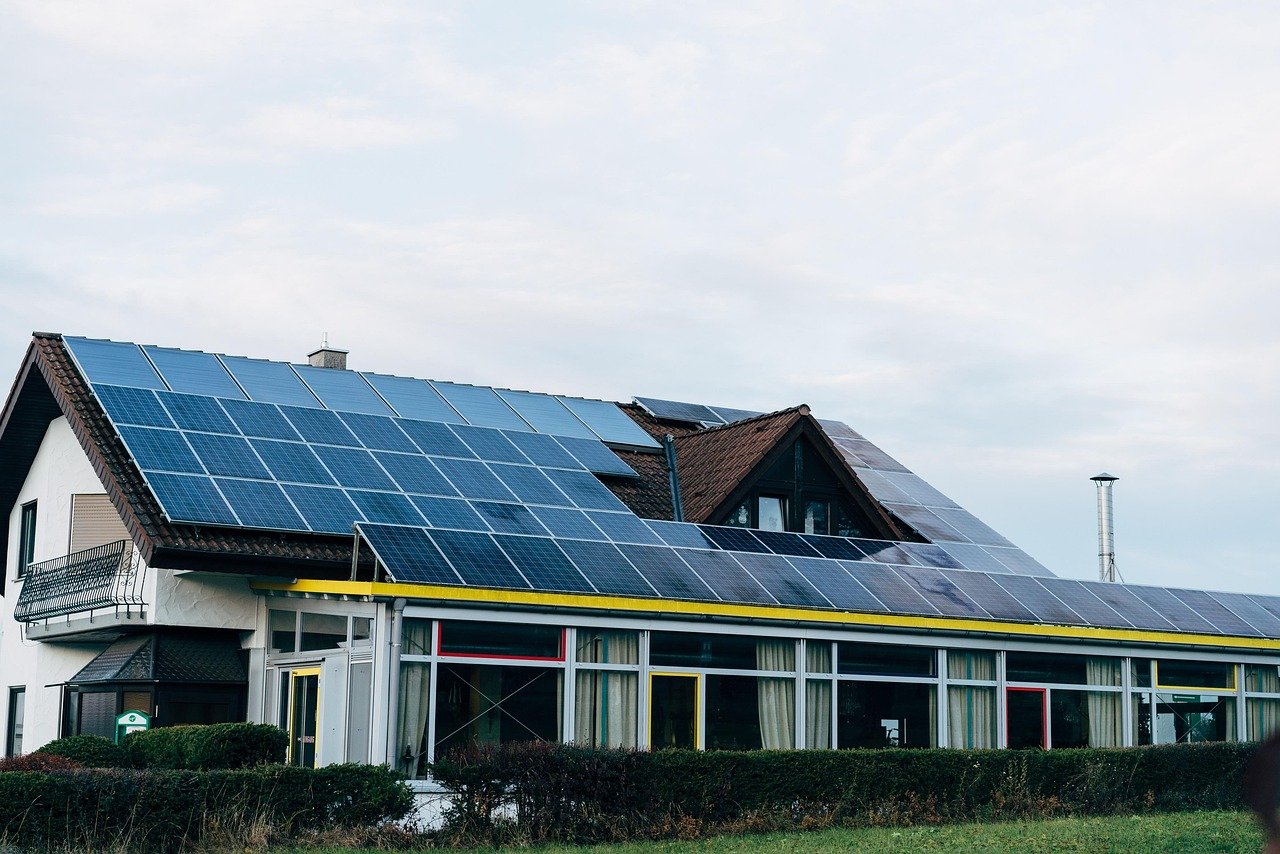
Sustainability: Sustainable methods emphasize renewable resources, energy-efficient designs, and minimal environmental impact. Developments often utilize solar panels, wind energy, and recycled materials in construction.
-
Biodiversity Conservation: Preserving native ecosystems is a cornerstone of eco-conscious developments. Projects aim to maintain habitats for local wildlife and, when necessary, restore ecosystems that have been degraded.
-
Community Involvement: Local residents are often engaged in the planning process. Their knowledge about the island’s history, culture, and ecology leads to more sustainable development tailored to community needs.
-
Low-Impact Infrastructure: Infrastructure designed with minimal environmental footprints often includes permeable surfaces, green roofs, and nature-based solutions to manage stormwater and prevent erosion.
-
Transport Solutions: Enhancing public transport options, walking paths, and bike lanes reduces reliance on fossil fuels. Establishing electric vehicle charging stations also compels communities to adopt cleaner transport methods.
Case Studies of Eco-Conscious Developments
1. The Maldives
In the Maldives, a chain of islands threatened by sea-level rise, eco-conscious resorts like Soneva Fushi focus on sustainability. The development uses solar energy and seawater desalination for fresh water. They also engage in coral reef rehabilitation, helping to restore marine ecosystems.
2. The Galápagos Islands
The Galápagos Islands provide a prime example of how eco-conscious developments can positively impact conservation. Projects here prioritize sustainable agriculture, waste management systems, and water conservation techniques, while managing tourism to ensure minimal impact on fragile ecosystems.
3. Fiji
In Fiji, eco-resorts are designed with local materials and traditional architectural styles to blend seamlessly into the landscape. They utilize responsible waste practices and promote cultural heritage, inviting visitors to engage with the local community and culture.
Eco-Tourism: A Sustainable Approach
Eco-tourism is vital in eco-conscious developments, offering visitors unique experiences while prioritizing environmental sustainability. By focusing on low-impact attractions such as hiking, snorkeling, and wildlife watching, eco-tourism fosters appreciation for local ecosystems.
-
Visitor Education: Leading eco-tourism entities educate tourists on local flora, fauna, and cultural practices. This awareness encourages responsible behavior in nature, reducing the risks of harm to wildlife and habitats.
-
Economic Benefits: Eco-tourism provides a financial incentive for local communities to protect their environment. Job opportunities in conservation, hospitality, and guiding can be both fulfilling and financially beneficial.
Challenges to Implementation
Despite their many benefits, eco-conscious developments face significant challenges:
-
Funding: Initial costs for eco-friendly construction materials and technologies can be high. Securing funds or balancing sustainability with economic growth is a major challenge.
-
Regulatory Hurdles: Navigating local, national, and international regulations may delay projects or complicate sustainable practices.
-
Community Pushback: If local populations feel excluded from the development process, they may resist projects. Engagement and education are key to overcoming this hurdle.
Partnerships for Sustainable Growth
Collaboration between governmental bodies, non-profit organizations, and private developers creates stronger frameworks for eco-conscious developments. By pooling resources and expertise, these partnerships can drive innovative solutions to environmental challenges.
-
Governmental Support: Encouraging policies, incentives for green building, and financial subsidies can lay the groundwork for sustainable projects.
-
Community NGOs: Non-governmental organizations often work closely with local populations to facilitate education and capacity-building initiatives centered on sustainability.
-
Research Collaboration: Continued research is essential for advancing eco-conscious practices. Universities and research institutions play a vital role in developing technologies and practices that minimize environmental impacts.
Technological Advancements in Sustainable Development
Emerging technologies are revolutionizing eco-conscious developments. Smart materials that adapt to environmental factors can help mitigate adverse weather impacts. Green building certifications like LEED or BREEAM encourage developers to adhere to sustainability criteria.
-
Green Infrastructure: Techniques like bioengineering to stabilize coastlines, rain gardens to absorb stormwater, and green walls for natural insulation are gaining traction.
-
Smart Energy Systems: Employing IoT (Internet of Things) technology allows for real-time monitoring of energy consumption, optimizing resource use in developments.
Collaborative Design Approaches
Integrated design processes involve architects, engineers, ecologists, and community stakeholders. This collaboration ensures that every facet of a development aligns with eco-conscious principles.
-
Holistic Assessment: Evaluating environmental impacts across the entire lifecycle of a project ensures sustainable practices are maintained throughout.
-
Adaptive Reuse: Revamping existing structures rather than constructing new buildings minimizes resource consumption and preserves the cultural heritage of the islands.
The Future of Coastal Island Development
As climate change accelerates, eco-conscious developments will take center stage in preserving coastal islands. The holistic approach, combining sustainability with community involvement and innovative technologies, will guide future projects.
These developments will not only help maintain biodiversity and minimize ecological footprints but will also contribute to the resilience of coastal communities in facing environmental challenges ahead. Investing in eco-conscious developments is an investment in our planet’s future.
