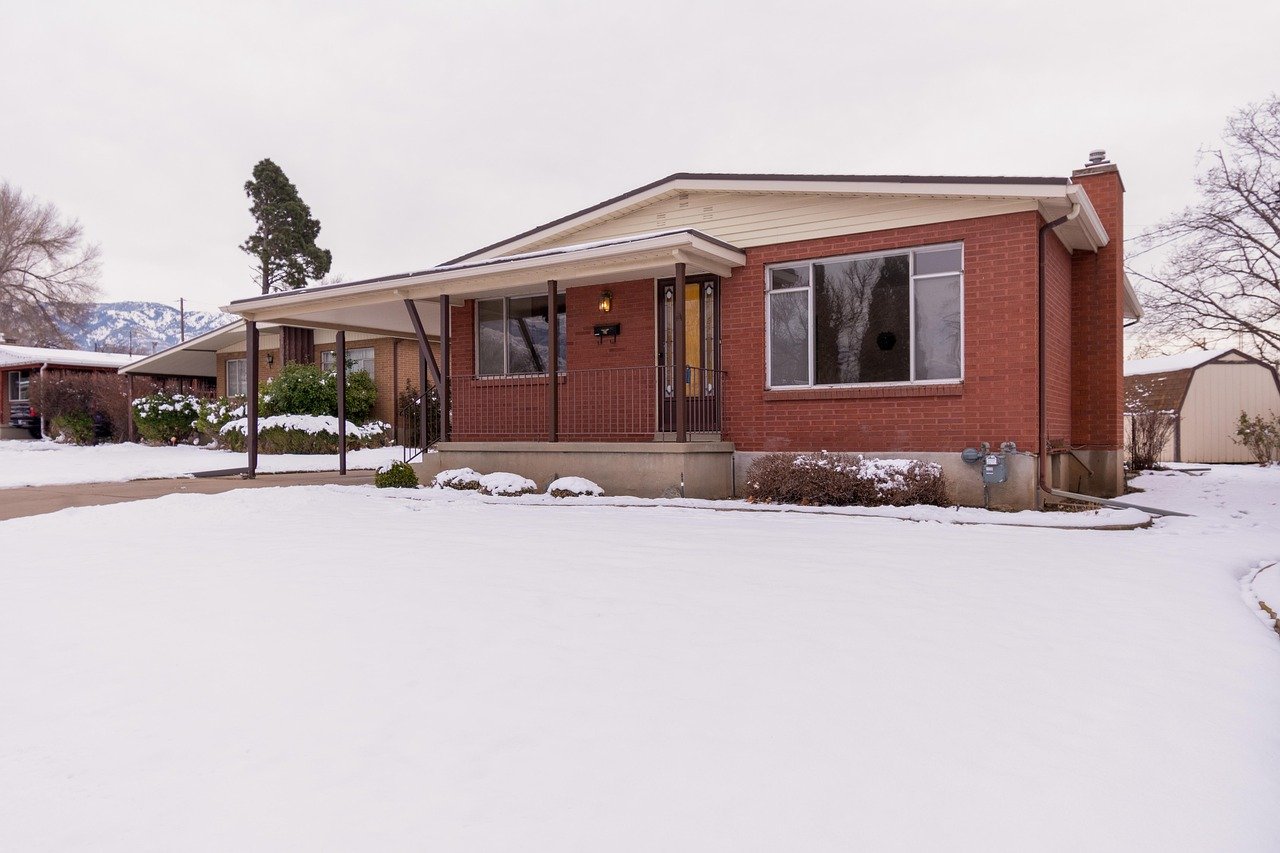

Open House Strategies That Work: Engaging Potential Buyers
1. Understanding Your Target Market
Before planning your open house, it’s essential to understand the demographics and characteristics of potential buyers in your market. This includes their age, income, lifestyle preferences, and the ideal features they seek in a property. Research using tools like the U.S. Census Bureau data, local surveys, or insights from real estate reports can provide valuable information that shapes your open house strategies.
2. Choose the Right Time and Date
Timing plays a crucial role in attracting potential buyers. Studies show that weekends generally yield better turnout; however, the specific timing can vary based on the community. Research local events, school schedules, and holidays to avoid clashing dates. For instance, scheduling an open house on a sunny Saturday afternoon can draw in more viewers than during a weekday evening.
3. Set the Scene With Curb Appeal
The first impression matters. Improving curb appeal can entice potential buyers before they even step inside. A well-manicured lawn, clean pathways, vibrant flower arrangements, and a fresh coat of paint on the front door create an inviting atmosphere. Additionally, ensure the house number is visible, and the entrance is well-lit to enhance safety and accessibility.
4. Professional Staging
Home staging can significantly impact a buyer’s perception. Professionals can furnish and decorate homes to highlight their best features. For every room, ensure furniture is arranged to create inviting flow and maximize space. Neutral tones, minimal personal decor, and thoughtfully placed accessories can help buyers envision the lifestyle they could have in the home.
5. Create an Engaging Atmosphere
Go beyond just the physical space. Create a welcoming atmosphere through ambient background music, pleasant scents, and comfortable temperatures. Use essential oil diffusers or fresh flowers to introduce delightful aromas. Ensure that the house feels cozy — not too warm or too cold — to encourage visitors to linger longer.
6. Provide High-Quality Marketing Materials
High-quality brochures or pamphlets should be available at the open house, including essential details about the property, neighborhood, and local amenities. Utilize professional photographs and floor plans to allow buyers to appreciate the layout and size of the home fully. Highlight nearby schools, parks, shops, and transportation links to add value to your listing.
7. Utilize Social Media and Online Listings
Leverage social media platforms like Facebook, Instagram, and Twitter to promote your open house. Create visually appealing posts featuring high-resolution images, use targeted ads, and engage with local community groups. Housing websites and real estate apps should include your open house to reach a broader audience, thereby increasing visibility.
8. Engage Visitors with Interactive Technology
Using technology can enhance the open house experience. Provide tablets or QR codes that lead guests to 3D tours of the home, allowing them to explore even further. Incorporate augmented reality apps that let buyers visualize different furniture arrangements or color palettes. This engaging approach can leave a lasting impression.
9. Offer Refreshments
Offering light snacks and beverages can create a welcoming environment while also encouraging guests to stay longer. Simple options like coffee, bottled water, or even homemade cookies can positively influence visitors’ experiences. Keep the refreshments organized in one area to avoid clutter, and consider dietary restrictions when choosing items.
10. Create a Sign-In Sheet
Having a sign-in sheet helps you collect visitor information to follow up after the open house. Make sign-in quick and easy— use options like Google Forms or simple notepads. Assure visitors that their information will be kept private and used solely for follow-up regarding the property.
11. Staff the Open House with Knowledgeable Agents
Having a friendly, knowledgeable agent available can make or break your open house. Ensure that the agent can answer questions about the property, neighborhood, and local market conditions. This expertise can instill confidence in potential buyers, reassuring them about their potential investment.
12. Organize The Space Strategically
Ensure that the open house flow encourages movement through the home in a natural progression. Arrange key rooms in a way that highlights the property’s flow. For example, lead visitors from the living room to the kitchen, then to the dining area, and so on. Highlighting features such as storage spaces can also assist in emphasizing the property’s value.
13. Personalize the Experience
Add unique touches that resonate with your potential buyers. Personal invites with handwritten notes can create a sense of connection. Additionally, tailor your discussions—if families are present, emphasize local schools and parks; for young professionals, point out nearby entertainment and commute options. This personalized approach can significantly elevate buyer engagement.
14. Follow Up Effectively
The day after your open house, promptly follow up with all visitors via email or text, thanking them for attending. Include pertinent information about the property, additional photos, or related listings. Personalize messages based on interactions during the event, such as inquiries or specific interests, to keep the conversation relevant and engaging.
15. Evaluate and Improve
After each open house, take time to evaluate what worked and what didn’t. Gather feedback from visitors and assess attendance versus interest levels. Analyze the marketing strategies used, the effectiveness of staging, and any questions asked. This reflective process helps refine strategies for future open houses.
16. Understand Local Laws and Regulations
Ensure compliance with any local laws and regulations regarding open houses. Adhere to any COVID-19-related guidelines, such as capacity limits or safety measures to protect both visitors and homeowners. Educate yourself on fair housing laws to ensure all potential buyers feel welcomed and respected.
17. Use Community Involvement
Promoting local businesses or community resources during the open house can create goodwill and community ties. For example, consider partnering with a local bakery or coffee shop for refreshments or showcasing local art for decoration. This approach boosts local connections while providing a homely vibe to potential buyers.
18. Host Thematic Open Houses
To stand out from conventional open houses, consider hosting thematic events. For instance, a “Family Fun Day” with games for children, or a “Wine and Cheese Evening” for adult engagements could draw different crowds. These unique offerings can help visitors associate positive emotions with the property.
19. Document Your Open House
Using photography and video during the open house to create online content is invaluable. Upload photos onto social media platforms to extend engagement with your online audiences. Create highlight videos that capture visitor experiences and showcase the property. This documentation can play a crucial role in attracting buyers who could not attend the event.
20. Showcase Unique Features
If the property has standout features, such as a large backyard, unique architectural elements, or energy-efficient appliances, ensure they are highlighted during the open house. Create distinct areas that focus on these features and encourage visitors to ask questions or consider the benefits of these aspects. Displaying energy bills or warranties for appliances can bolster buyer confidence.
Incorporating these strategies can significantly enhance your open house’s effectiveness, transforming it into an engaging experience for potential buyers. By focusing on the details, personalizing interactions, and utilizing modern marketing, you’ll create an environment that invites buyers to imagine their future in the property.
