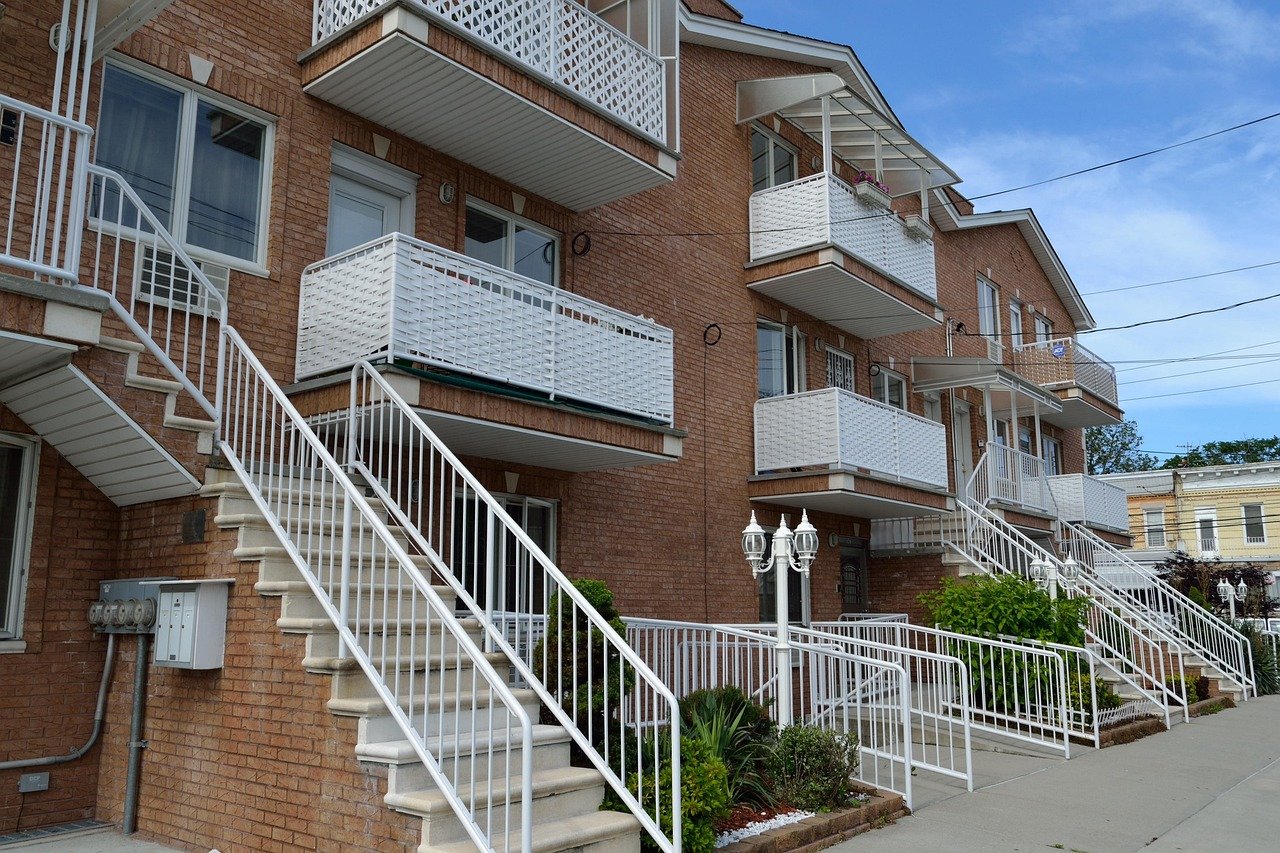

Understanding Rent Control Policies
Rent control policies are regulations set by local or state governments to establish limits on the amount landlords can charge for housing. These laws aim to protect tenants from excessive rent increases and ensure affordable housing in cities experiencing rising living costs. As urban centers grow, the demand for rental properties often outpaces supply, making it crucial to examine how these policies can both positively and negatively impact city living.
Types of Rent Control Policies
There are several variations of rent control policies, including:
-
Strict Rent Control: Under strict rent control, the amount landlords can charge is fixed and often tied to the Consumer Price Index (CPI). This approach can maintain affordability but may discourage investment in property maintenance.
-
Rent Stabilization: This policy allows landlords to raise rents, but only at a predetermined rate. Typically, rent stabilization provides a balance, offering landlords some return on investment while keeping rents manageable for tenants.
-
Vacancy Decontrol: Many regions utilize vacancy decontrol, which allows landlords to set market rents for new tenants once a unit becomes vacant. This can lead to higher rents but encourages landlords to maintain their properties to attract new renters.
-
Just Cause Eviction Requirements: These laws prevent landlords from evicting tenants without a valid reason, offering renters additional security. This policy helps maintain stable communities in cities where tenant displacement is a significant concern.
-
Inclusionary Zoning: This approach requires developers to include affordable housing units in new construction. By mandating a portion of housing remains affordable, cities can increase the availability of low-income housing.
The Benefits of Rent Control Policies
Rent control policies offer several advantages for tenants and city communities at large:
-
Housing Affordability: By capping rent increases, these policies make housing more affordable, allowing low- and middle-income families to remain in urban centers where job opportunities and essential services are concentrated.
-
Community Stability: Rent control can lead to more stable neighborhoods as long-term residents are less likely to be priced out of their homes. Stability fosters stronger community ties, vibrant local cultures, and maintains the social fabric of neighborhoods.
-
Prevention of Displacement: As cities gentrify, rent control policies help mitigate tenant displacement. They ensure vulnerable populations have continued access to housing, preventing the homogenization of urban areas.
-
Encouragement of Diverse Communities: Rent control supports the diversity of city populations. It allows lower-income households to live alongside wealthier residents, creating a blend of cultures and social backgrounds.
-
Encouraging Long-term Rentals: By creating incentives for landlords to retain tenants, rent control policies may lead to lower turnover rates. This contributes to reduced moving expenses and increased stability for families.
The Challenges of Rent Control Policies
Despite the benefits, rent control policies can present challenges:
-
Reduced Rental Inventory: Landlords may opt to convert rental units to condos or other uses when they cannot charge market rates. This can lead to a reduced number of available rental units, exacerbating housing shortages.
-
Disincentive for Property Maintenance: If landlords cannot increase rents significantly, they may forgo necessary maintenance and upgrades on properties, contributing to the decay of housing stock over time.
-
Black Market Rentals: In some cases, rent control can create a black market where landlords demand unofficial “key money” or other payments outside the regulated rent to secure a lease.
-
Wealth Inequality: Rent control can sometimes disproportionately benefit long-term residents who already live in rent-controlled apartments, rather than aiding those who are struggling to enter the housing market.
-
Administrative Burden:
Implementing and enforcing rent control laws can create an administrative burden for local governments, requiring significant resources and potentially leading to inefficiencies.
Case Studies in Rent Control
Cities around the world have implemented varying forms of rent control, yielding different outcomes.
New York City: One of the most well-known examples, New York City’s rent stabilization laws protect nearly one million apartments. While these laws have provided affordable housing to many, critics argue that they contribute to a housing shortage in a city where demand is incredibly high.
San Francisco: San Francisco has robust rent control policies that cover buildings constructed before 1979. Although these measures aim to maintain affordable housing, they have been associated with a unique phenomenon where tenants remain in rent-controlled units for decades, creating immense income disparities across different housing options.
Berlin: In a recent move, Berlin implemented a rent cap in 2020, temporarily freezing rents at 2019 levels. Although it aimed to protect tenants, the policy faced legal challenges and questions about its sustainability.
The Future of Rent Control Policies
As housing becomes increasingly expensive in many urban areas, rent control policies may expand to adapt to contemporary challenges. Following trends in housing affordability, cities like Los Angeles, Seattle, and Boston are reevaluating their approaches to manage rental prices and fulfill housing needs.
Moreover, technological advancements in data collection and analysis may better inform these policies’ design and implementation, leading to more effective outcomes. Innovations such as rent affordability indexes can provide valuable insights for policymakers to balance the needs of tenants and landlords effectively.
Additionally, the conversation surrounding rent control is evolving toward incorporating housing as a human right. Advocates argue for holistic housing solutions that include expanding affordable housing stock, increasing subsidies for low-income families, and promoting mixed-income developments as alternatives to stringent rent control measures.
Conclusion
Rent control policies profoundly influence city living, shaping economic landscapes and community dynamics. Understanding the diverse implications and inherent challenges of these regulations is key to developing fair and effective housing strategies that ultimately enhance urban living. The ongoing discourse about rent control will continue as cities navigate the complexities of affordability, stability, and growth in the years to come.
