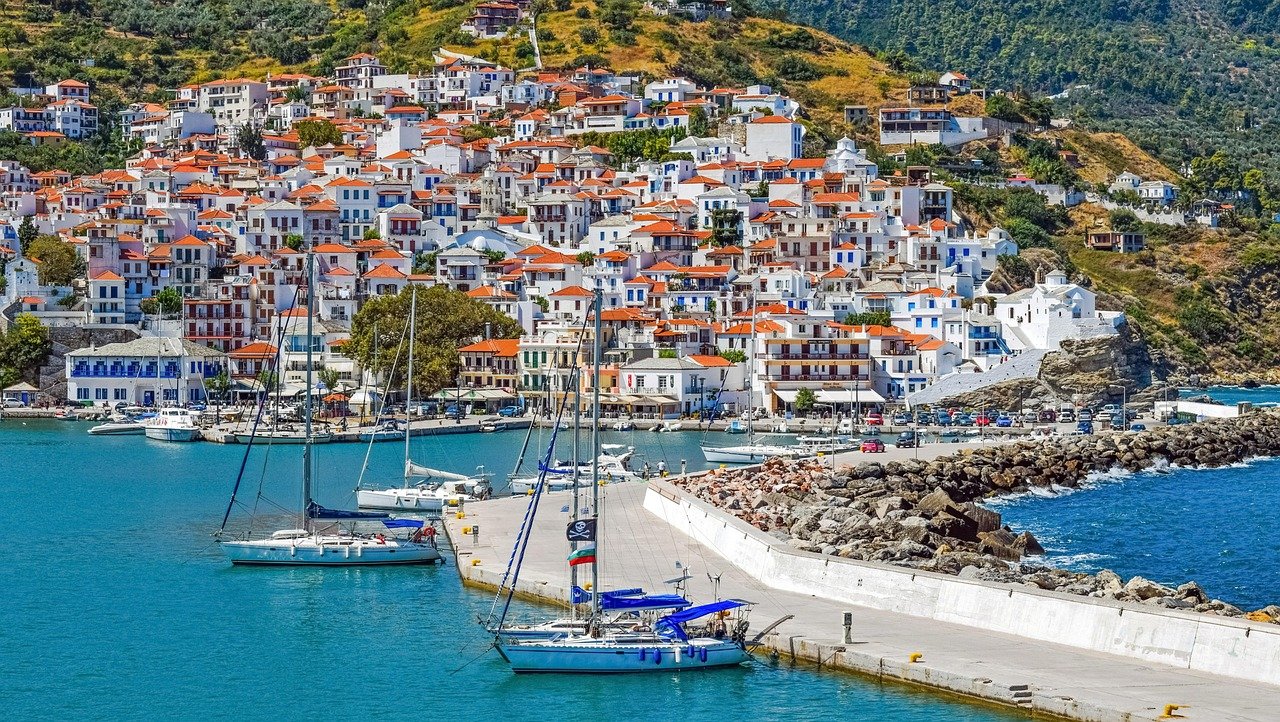

Island Lifestyle Trends: Merging Comfort with Conservation in Coastal Communities
1. Sustainable Architecture
The modern island lifestyle has seen a significant shift towards sustainable architecture. Coastal communities are increasingly opting for eco-friendly materials and designs that minimize environmental impact. Homes are being built with renewable resources such as bamboo, reclaimed wood, and recycled metal, ensuring that the buildings blend harmoniously with their surroundings. Large windows and open spaces are incorporated into designs to maximize natural light and ventilation, reducing the need for artificial heating and cooling.
2. Indigenous Design Concepts
A growing trend involves the incorporation of indigenous architectural elements and building techniques. Local communities are emphasizing their cultural heritage by using traditional designs that have stood the test of time. Homes inspired by local vernacular architecture not only pay homage to native practices but are also inherently efficient for the local climate. This trend fosters a sense of identity and pride in local culture, making sustainable living more attractive to residents and visitors alike.
3. Smart Home Technology
Technological integration plays a pivotal role in modern island living. Smart home systems allow residents to monitor their energy usage in real-time, optimizing consumption and minimizing waste. Technologies like solar panels and rainwater harvesting systems are now commonly integrated into residences, allowing homeowners to become more self-sufficient. Smart thermostats, energy-efficient appliances, and automated lighting systems also combine comfort and conservation, optimizing energy usage while enhancing the living experience.
4. Eco-Friendly Transportation
As coastal communities grow, the need for sustainable transportation solutions becomes more critical. Residents are increasingly turning to bicycles, electric vehicles, and shared transport options to move around. This shift not only reduces the carbon footprint but also promotes a healthier lifestyle. Some islands have introduced car-free zones, encouraging walking and cycling, which fosters a stronger community atmosphere while preserving the environment.
5. Local Food Movements
The farm-to-table movement has gained significant momentum in island communities. Residents are prioritizing local produce, seafood, and sustainable farming practices. Community-supported agriculture (CSA) programs have become increasingly popular, connecting consumers with local farmers. This trend not only enhances food security but also reduces transportation emissions associated with long-distance food shipping. Many restaurants are showcasing locally sourced ingredients, inviting chefs to share their culinary innovations that highlight the unique flavors of island cuisine.
6. Clean Energy Initiatives
Coastal communities are harnessing renewable energy sources to combat climate change and promote sustainability. Solar farms, wind turbines, and tidal energy generators are becoming more prominent. These initiatives not only provide clean energy but also create job opportunities within the community. Governments and organizations are offering incentives for homeowners to invest in renewable energy solutions, further facilitating the transition to a greener economy.
7. Conservation Education
Education plays a crucial role in promoting conservation efforts within coastal communities. Many islands are emphasizing environmental education programs aimed at residents and tourists alike. Workshops on marine conservation, zero-waste living, and sustainable gardening empower individuals to make informed decisions that benefit the planet. Schools are incorporating sustainability into their curriculums, teaching children the importance of protecting their unique environments.
8. Community Gardens and Urban Green Spaces
Community gardening has emerged as a vital trend within urbanized island settings. These spaces not only provide residents with access to fresh produce but also foster community bonds and environmental stewardship. Urban green spaces contribute to biodiversity, improve air quality, and create a more pleasant living environment. Various island communities are transforming vacant lots and underutilized spaces into flourishing gardens, showcasing the potential for vibrant urban agriculture.
9. Waste Reduction Efforts
Island communities are increasingly adopting zero-waste philosophies. This approach emphasizes minimizing waste through conscious consumption and waste management strategies. Residents are encouraged to compost, recycle, and reduce single-use plastics. Educational campaigns and local policies support these efforts, helping to create a culture of sustainability. Initiatives such as beach clean-ups align with waste reduction goals, empowering communities to take direct action against pollution.
10. Wellness and Mindfulness Retreats
The trend of wellness and mindfulness retreats has gained traction in island settings. Coastal communities are capitalizing on their serene landscapes to offer health-focused getaways that combine relaxation with holistic practices. Yoga studios and wellness centers emphasize mindfulness, promoting sustainable lifestyles while enhancing well-being. Eco-friendly resorts integrate local traditions and natural elements into their offerings, fostering a deeper connection between visitors and their environments.
11. Eco-Tourism Development
Tourism, a key economic driver for many island communities, is evolving to prioritize sustainability. Eco-tourism initiatives are focused on responsible travel practices that protect natural habitats and promote conservation. Tour operators are offering experiences that highlight local wildlife, engage visitors in conservation efforts, and educate them about the importance of protecting fragile ecosystems. This shift towards eco-conscious tourism not only preserves natural resources but also generates revenue that can be reinvested into local conservation initiatives.
12. Minimalist Living
Minimalism has become a popular lifestyle trend among island residents seeking simplicity and harmony with nature. This approach often leads to more intentional consumption and a reduction in material possessions. Minimalist homes are characterized by their functional designs, emphasizing open spaces and multifunctional furniture. Residents find joy in a clutter-free lifestyle, often leading to greater appreciation of their natural surroundings.
13. The Rise of Remote Work
The increase in remote work opportunities has transformed island lifestyles, allowing individuals to live and work in coastal communities without the constraints of commuting to urban locations. This trend has sparked an influx of creative professionals and digital nomads seeking the tranquility of island life. The resulting economic diversification encourages the growth of co-working spaces and local amenities that cater to this new demographic while reinforcing the commitment to sustainability.
14. Community Resilience Plans
As climate change poses increasing threats to coastal communities, many islands are adopting resilience plans that focus on long-term sustainability. These plans involve stakeholder engagement, where residents collaborate on strategies to adapt to rising sea levels, extreme weather conditions, and other climate-related challenges. Such initiatives often prioritize conservation, habitat restoration, and the enhancement of natural barriers, ensuring that communities are prepared for future environmental challenges.
15. Artistic Expression and Cultural Preservation
Art and culture serve as crucial elements in promoting sustainable island living. Local artists are inspired by their environments, creating works that reflect the beauty and fragility of coastal ecosystems. Community art installations, galleries, and cultural festivals celebrate local heritage while raising awareness about environmental conservation. This trend emphasizes the idea that embracing and expressing local culture can contribute to the overall sustainability of coastal communities.
16. Collaboration with NGOs
Collaboration with non-governmental organizations (NGOs) focused on environmental conservation has become commonplace in island communities. These partnerships foster knowledge sharing, access to resources, and implementation of best practices for conservation efforts. NGOs often bring innovative solutions and funding opportunities to support local initiatives, helping communities advance their sustainability goals in a measurable way.
17. Climate Adaptive Landscaping
Landscaping in coastal communities is evolving to incorporate climate adaptive practices that enhance biodiversity and resilience. Rain gardens, native plant landscaping, and permaculture principles are increasingly applied to minimize stormwater runoff and support local wildlife. Homeowners are recognizing the benefits of using native plants that require less maintenance and promote natural ecosystems, thereby reinforcing the connection between landscaping and conservation.
18. Social Enterprises
Social enterprises focused on sustainability are emerging within island communities, combining business with a mission to address social and environmental challenges. These enterprises provide services, products, or experiences that contribute to community development and environmental stewardship. By supporting these initiatives, residents can engage more deeply with their community while fostering economic growth and sustainability.
19. Efficient Water Management Systems
Efficient water management is critical for island communities, where freshwater resources can be scarce. Rainwater harvesting, greywater recycling, and efficient irrigation systems are being implemented to ensure sustainable water use. Educational campaigns encourage responsible water consumption practices among residents, further reinforcing the importance of conservation in everyday life.
20. The Impact of Climate Change Awareness
Heightened awareness of climate change impacts has prompted island communities to take proactive measures. Residents are increasingly vocal about protecting their environment, motivating local governments to adopt stricter conservation policies. Grassroots movements advocating for sustainable practices have gained momentum, leading to collective efforts to address the challenges posed by climate change. The consciousness around conservation is becoming an integral part of the island lifestyle, shaping future generations and ensuring lasting commitment to preserving coastal ecosystems.
