
The Rising Appeal of Island Living Amidst Growing Environmental Awareness
The Allure of Island Living
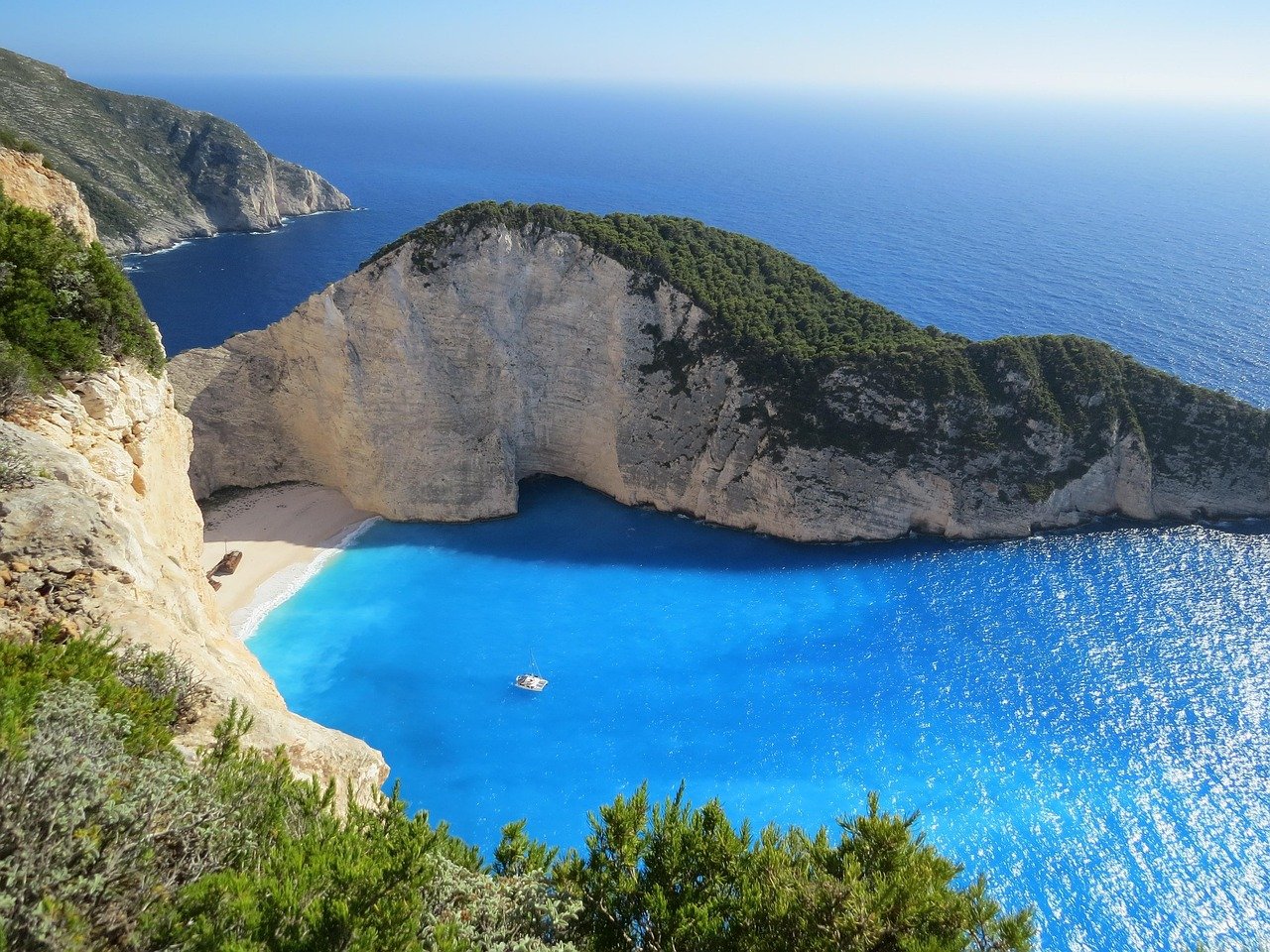
Island living has long been associated with pristine landscapes, serene beaches, and an overall slower pace of life. In recent years, this lifestyle has seen a resurgence in appeal, particularly as conversations surrounding environmental awareness grow louder. For many, the idyllic charm of islands is complemented by the opportunity to adopt a more sustainable, eco-conscious lifestyle.
Sustainability and Brief Distances
One of the most compelling aspects of island living is the potential for sustainability. Many islands encourage residents to utilize local resources, reducing dependency on imported goods. Shorter supply chains mean less transportation energy is consumed. Consequently, communities can focus on sustainable farming, fishing, and energy sources such as solar and wind power. This regionalism not only fosters stronger local economies but also encourages a sense of responsibility toward the environment.
Residents often employ practices such as rainwater harvesting and composting, valuing the importance of preserving their unique ecosystems. The close-knit nature of island communities promotes shared values of environmental stewardship, further enhancing the incentive for sustainable living.
The Minimalist Lifestyle
The trend toward minimalism has become synonymous with island living. The limitations of space on many islands often lead to a natural inclination towards decluttering and simplifying life. Islanders frequently adopt a mindset that values experiences over material possessions, encouraging more mindful consumption. Minimalism not only reduces physical clutter but also promotes mental clarity and wellness.
In addition to promoting a simpler lifestyle, minimalism is inherently linked to sustainability. By reducing consumption, individuals can significantly decrease their ecological footprints, aligning perfectly with the growing global efforts to combat climate change and promote resource conservation.
Community and Cohesion
Island living fosters a unique sense of community often lost in urban settings. With smaller populations, islanders tend to have closer relationships with their neighbors, creating an environment conducive to collaboration and shared experiences. This strong communal ethic translates to collective action on environmental issues. For example, many islands have initiated local projects to clean beaches, conserve marine life, and preserve natural resources.
The increased emphasis on community action has led to a renaissance of local governance where residents actively participate in decision-making concerning sustainable development and environmental policies. This empowerment helps residents feel more connected to the land and more committed to its preservation.
Ecotourism as a Driver for Change
Island destinations frequently emerge as popular ecotourism hotspots. Travelers are increasingly seeking trips that allow them to connect with nature, learn about local cultures, and support conservation efforts. This shift toward ecotourism provides a significant economic incentive for islands to adopt sustainable practices, ensuring that their natural beauty is preserved for future generations.
Many islands are now implementing programs that balance tourism growth with environmental integrity. This includes establishing protected marine areas, promoting responsible wildlife tourism, and offering volunteer opportunities to help with conservation efforts. Tourists are drawn to the idea of leaving a positive impact while enjoying the beauty of the destination.
Biodiversity and Environmental Preservation
Islands often host unique ecosystems and biodiversity, making them hotspots for environmental exploration and study. The distinct flora and fauna found in these environments inspire initiatives aimed at preservation and sustainable practices. Local governments and organizations often collaborate with scientists and activists to create programs that educate residents and visitors alike about the importance of biodiversity and the need for conservation.
The importance of biodiversity extends beyond ecological richness; it directly impacts the economic viability of island communities. Healthy environments support sustainable fishing and agriculture, creating a symbiotic relationship between the community and the natural world. As awareness grows, island residents are more inclined to protect their surroundings, leading to innovative practices aimed at preserving their unique ecosystems.
Climate Resilience and Adaptation
The impacts of climate change are more visible in island communities, making their inhabitants acutely aware of the need for resilience. Rising sea levels, increased storm frequency, and changing ocean temperatures pose existential threats to many islands. Consequently, these challenges motivate residents to prioritize sustainability and innovative solutions to become more adaptive to changing conditions.
Efforts to enhance climate resilience often involve traditional knowledge combined with modern techniques, creating hybrid strategies that effectively address local concerns. For instance, restoring mangroves or coral reefs provides natural buffers against storms and flooding, while sustainable fishing practices help maintain marine populations. By focusing on resilience, islanders not only protect their homes but also serve as examples for other vulnerable regions.
Technological Innovations in Sustainability
The intersection of technology and sustainability is becoming increasingly evident in island communities. Innovations such as smart grids, renewable energy sources, and water purification systems allow islands to become self-sufficient while minimizing their environmental impact. These advancements are crucial in mitigating the adverse effects of climate change and improving the quality of life for residents.
Moreover, emerging technologies facilitate communication and education, empowering residents with knowledge about sustainable practices. Island dwellers can now connect with global networks, sharing strategies and solutions that enhance their collective resilience and adaptability.
Real Estate Trends and Market Shifts
As the appeal of island living grows, the real estate market is shifting accordingly. Buyers seeking second homes or retirement properties often gravitate towards islands known for their natural beauty and sustainable communities. This trend not only supports local economies but also encourages development that prioritizes environmental conservation.
Real estate developers are increasingly focusing on eco-friendly housing options, integrating sustainable building materials, and utilizing natural landscapes in their designs. These developments often include green spaces and community areas that enhance the social fabric of island life while adhering to sustainable practices.
The Role of Education and Awareness
Education plays a critical role in fostering a culture of sustainability in island communities. Schools and organizations often incorporate environmental education into their curricula, emphasizing the importance of protecting local ecosystems. Workshops, seminars, and community initiatives aim to provide residents with the information they need to make eco-friendly choices.
Additionally, raising awareness about global environmental issues strengthens local efforts. Islanders who understand the broader context of their environmental challenges are often more motivated to implement change, knowing their actions contribute to a global movement for sustainability.
Challenges and Future Prospects
Despite the appealing aspects of island living, challenges remain. Economic pressures, government policies, and the effects of climate change continue to pose threats to sustainable practices. The popularity of island living must be balanced with the necessity of preserving natural resources and cultural heritage.
However, the growing environmental awareness among globe-trotters, communities, and policymakers offers hope. Continual dialogue and innovative approaches will support the evolution of island living as a model for sustainable, eco-conscious lifestyles that can inspire global change. Future trends are likely to focus on enhancing resilience, promoting community involvement, and leveraging technology to solve environmental challenges.
In summary, the rising appeal of island living is intertwined with a growing consciousness about environmental issues. As islands offer unique opportunities for sustainability, community cohesion, and a slower pace of life, their charm attracts those dedicated to preserving both the beauty of the environment and the quality of life. The evolution of this lifestyle encapsulates a progressive approach to ecological awareness, ensuring that island living thrives in harmony with nature.
