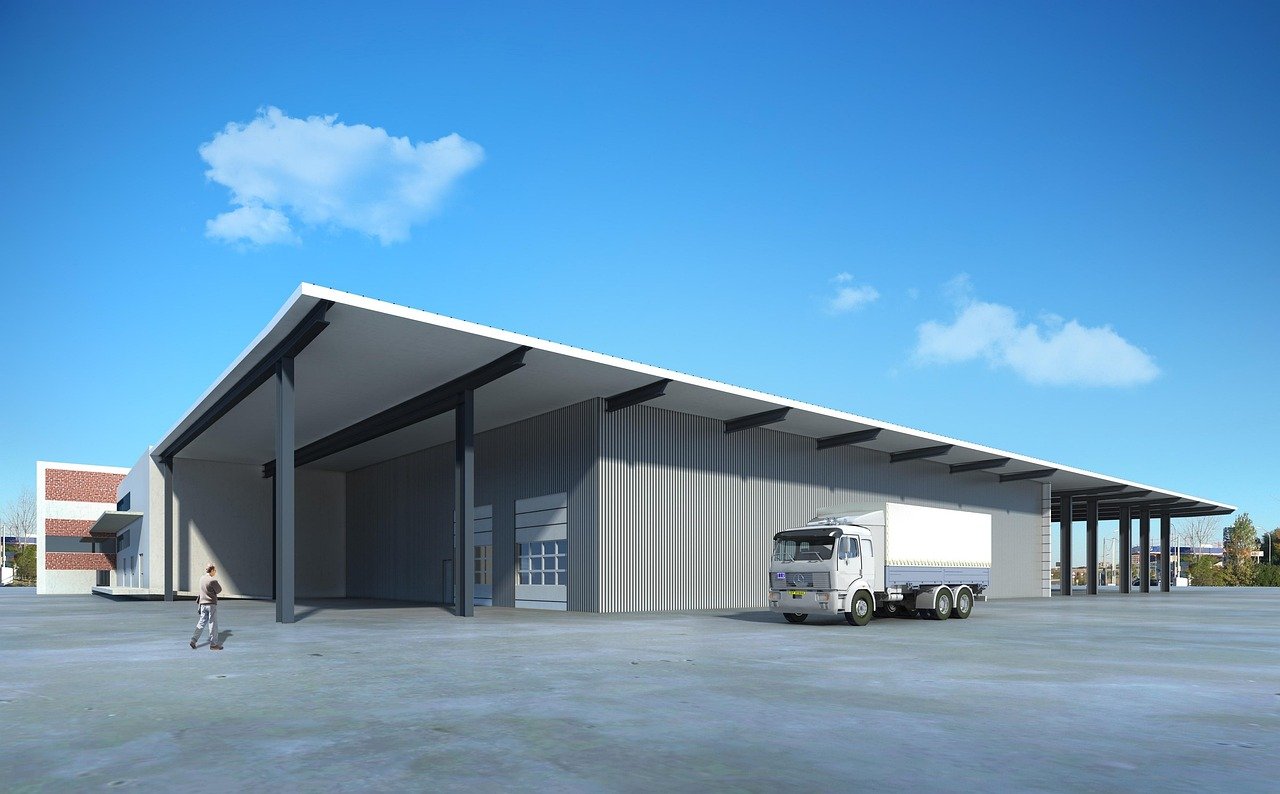

Understanding the Current Landscape of American Warehouse Development
The United States has seen unprecedented growth in e-commerce, which has inevitably led to a surge in demand for warehouses and distribution centers. This massive shift has created both challenges and opportunities for developers, businesses, and investors looking to navigate the complexities of warehouse development. As the industry evolves, understanding key trends and market demands is crucial for strategic decision-making.
Technological Integration
One of the leading trends in warehouse development is the integration of advanced technology. Automation plays a critical role in streamlining operations. Automated guided vehicles (AGVs), robotics, and sophisticated inventory management systems reduce human labor dependency, increase efficiency, and minimize errors. As companies increasingly embrace the Internet of Things (IoT), warehouses are becoming smarter, with sensors and tracking embedded into everyday operations.
Sustainable Practices
With the growing emphasis on sustainability, American warehouse development is seeing a shift toward green building practices. The U.S. Green Building Council’s Leadership in Energy and Environmental Design (LEED) certification is becoming a differentiator in the market.
Developers are focusing on energy-efficient systems such as solar panels, energy-efficient HVAC systems, and sustainable materials. Implementing rainwater harvesting systems and designing for natural light can significantly reduce operating costs and lower carbon footprints. Green warehouses not only cater to stakeholders’ demands for corporate social responsibility but also tend to attract environmentally conscious tenants.
The Rise of Urban Warehousing
As urbanization continues, the concept of urban warehousing is gaining traction. Proximity to consumers is vital in today’s fast-paced market. Businesses are seeking warehouse spaces closer to urban centers to minimize last-mile delivery times and costs. This trend has led developers to repurpose existing buildings or invest in new construction within city limits.
Urban warehouses cater to the “just-in-time” logistics model, emphasizing speed and efficiency. Challenges such as zoning, space limitations, and higher land costs constitute hurdles that developers must navigate. However, the benefits of reduced transportation costs and faster delivery times can significantly enhance competitiveness.
Data-Driven Decision Making
The significance of big data in warehouse management cannot be overstated. Developers and operators utilize data analytics to gain insights into consumer behavior, inventory management, and operational efficiency. By analyzing trends, companies can predict demand spikes, optimize inventory levels, and streamline supply chains.
Real-time data also allows businesses to make informed decisions about where to locate new warehouses, how much space they need, and what features to include in their designs. Implementing predictive analytics can also mitigate risks related to market fluctuations and labor availability.
Changing Labor Market Dynamics
The labor market landscape is another critical area influencing warehouse development. The increasing demand for skilled labor, coupled with an overall labor shortage, poses challenges for the industry. Developers must consider the implications of labor availability, wage rates, and workforce training programs when planning new facilities.
To mitigate labor shortages, companies are investing in technology that reduces dependence on human labor. However, the workforce that remains must be well-trained in using these technologies to ensure operational efficacy. As such, partnerships with local educational institutions and workforce development programs have become strategic moves for successful operations.
Navigating Supply Chain Disruptions
The COVID-19 pandemic has highlighted vulnerabilities in supply chains, pushing businesses to re-evaluate their logistics strategies. Supply chain disruptions have led many to consider diversification. Companies are now looking at regional distribution centers, rather than relying solely on centralized locations. This decentralization minimizes risks associated with bottlenecks and transportation issues.
The emphasis on resilient supply chains means that developers must prioritize flexibility in design. Buildings that can facilitate multiple uses or adapt to changing market conditions are increasingly in demand. Flex-space, which combines warehouse and office capabilities, is becoming a preferred choice for businesses that require versatility.
Real Estate and Investment Trends
The warehouse real estate market remains robust, with investors keen to capitalize on the increasing demand for logistics space. Capitalization rates continue to compress, signaling strong competition among institutional investors, private equity firms, and real estate investment trusts (REITs).
In particular, emerging markets and secondary cities are gaining traction as developers realize the benefits of lower land costs and having access to a skilled labor force. Many investors are using 1031 exchanges and other strategies to maximize tax efficiencies while enhancing their portfolios with warehouse properties.
Understanding Zoning and Legal Frameworks
Navigating the zoning and regulatory landscape is vital for developers amid the rapidly evolving demands of warehouse space. Compliance with local codes, environmental regulations, and safety standards can be daunting. Developers often engage with local governments early in the planning process to facilitate smoother approvals.
Notably, many regions are redefining zoning laws to accommodate the growing need for logistics spaces. In urban areas, developers must understand mixed-use zoning regulations to utilize properties effectively while balancing community interests.
Future Innovations in Warehouse Design
Innovative design remains at the forefront of warehouse development. Modern concepts such as modular construction allow facilities to be built faster and more efficiently. This technique reduces waste and provides more flexibility for future expansions or modifications.
Smart storage solutions, such as vertical racking systems and automated inventory tracking, can optimize space and reduce labor costs. Furthermore, advanced building designs prioritize employee wellness, integrating amenities to create healthy environments, which can attract talent and improve retention rates.
Conclusion
Navigating current market demands in American warehouse development requires an adaptive approach that embraces technology, sustainability, demographic shifts, and evolving labor dynamics. By staying ahead of trends and understanding the challenges, warehouse developers can position themselves strategically to take advantage of opportunities in this dynamic sector.
