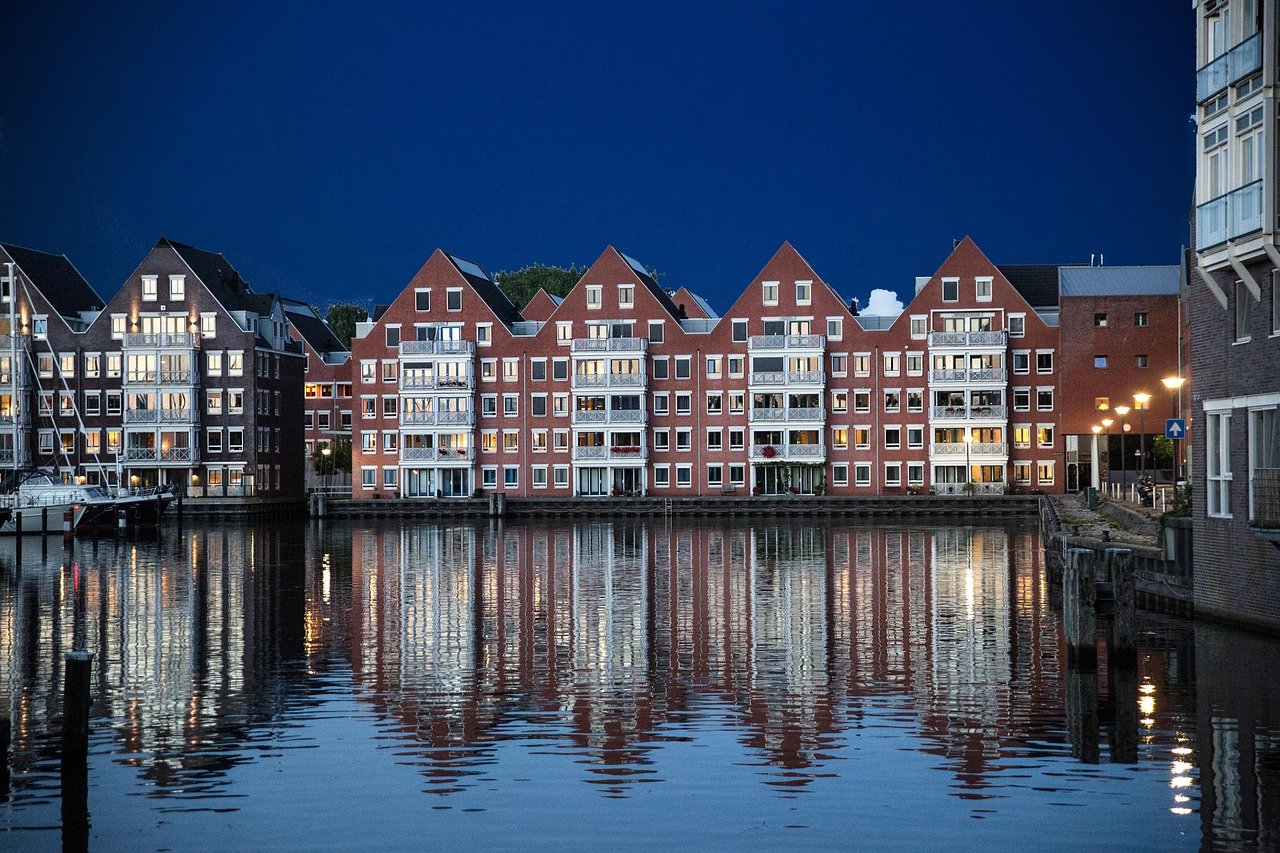

Urban Luxury Homes: Characteristics and Demand
Key Attributes of Urban Luxury Homes
Urban luxury homes are typically defined by their proximity to amenities, cultural hotspots, and a vibrant lifestyle. In major metropolitan areas, these homes often feature:
- Size and Layout: Urban luxury condos or penthouses often offer compact living with open layouts, maximizing square footage. High ceilings and large windows are common, providing stunning city views.
- Amenities: Rooftop pools, fitness centers, and concierge services are standard. Many urban developments prioritize lifestyle within the property, offering entertainment spaces, lounges, and even restaurants on-site.
- Sustainable Design: Many new luxury developments integrate green technology, energy-efficient systems, and eco-friendly materials, catering to environmentally-conscious buyers.
- Smart Home Features: Security systems, automated lighting, and climate control are incorporated to enhance comfort and convenience, appealing to tech-savvy buyers.
Post-Pandemic Urban Trends
The pandemic shifted housing preferences, but urban luxury homes retained demand due to several key factors:
- Cultural Access: The urban lifestyle, with theaters, restaurants, galleries, and parks, remains a significant pull. Buyers prioritize lifestyle experiences that cities offer.
- Remote Work: Individuals who work from home are gravitating toward urban centers for the versatility of living close to vibrant neighborhoods while still having the option to commute occasionally.
- Health Considerations: Urban areas are investing in public health infrastructure and outdoor spaces, making them more attractive to buyers after the pandemic’s focus on health and wellness.
Market Dynamics
The luxury urban real estate market has been dynamic post-pandemic:
- Pricing Trends: Luxury home prices in cities like New York, San Francisco, and Chicago have rebounded, with some areas experiencing record-breaking sales.
- Investment Appeal: Urban luxury homes are viewed as sound investments. Limited availability coupled with the unique appeal of city living sustains their value.
- Competition: As demand rebounds and inventory remains limited, competitive bidding has become increasingly common, driving prices further upward.
Suburban Luxury Homes: Characteristics and Demand
Key Attributes of Suburban Luxury Homes
Suburban luxury homes appeal to buyers seeking larger spaces and a quieter lifestyle. Characteristics often include:
- Expansive Properties: Suburban homes typically feature larger lots, often allowing for gardens, pools, and outdoor living spaces, catering to families and individuals seeking privacy.
- Architectural Diversity: Suburbs present a mix of home styles, from modern designs to classic architecture. Customization is favored in luxury properties, offering personalized aesthetics.
- Family-Centric Amenities: Many suburban luxury homes include features such as home theaters, gyms, and expansive kitchens designed for entertainment, making them ideal for family-oriented buyers.
- Community Focus: Well-planned suburban communities often offer recreational amenities like parks, golf courses, and community centers, enhancing the quality of life.
Post-Pandemic Suburban Trends
The pandemic catalyzed a shift toward suburban living for many, with factors influencing this change:
- Space and Privacy: As remote work became commonplace, buyers sought larger homes with office spaces, which suburban properties typically provide.
- Cost-Effectiveness: Suburban luxury homes often offer more square footage for comparable prices to urban counterparts, appealing to families and individuals preferring affordability without sacrificing quality.
- Migration Patterns: Many affluent buyers have left cities for suburbs, seeking a balance of luxury and space, which has led to increased competition in suburban markets.
Market Dynamics
The suburban luxury real estate market has also seen significant changes in the post-pandemic landscape:
- Rising Prices: Suburban luxury home prices surged as demand outpaced supply, leading to competitive bidding scenarios similar to urban markets.
- Investment Growth: Many buyers view suburban properties as long-term investments due to the trend of families relocating to less densely populated areas.
- Developer Response: Builders are responding to the demand by developing new luxury communities, often with modern amenities and sustainable features to attract buyers.
Comparative Analysis: Urban vs. Suburban Luxury Homes
Lifestyle Considerations
Urban luxury homes cater to individuals who value convenience and a bustling lifestyle, while suburban areas appeal to those who prioritize space and a sense of community. Buyers need to consider lifestyle preferences when choosing between urban and suburban living.
Pricing and Value
Traditionally, urban homes have commanded higher prices due to their prime locations. However, as suburban demand increases, pricing trends are seeing more parity, with some suburban luxury homes reaching near-equal prices due to their desirable features.
Buyer Demographics
- Urban Buyers: Often younger professionals, creatives, and empty nesters who enjoy city life, cultural access, and convenience.
- Suburban Buyers: Families seeking more space, retirees looking for peaceful living, and professionals desiring a balance of work-life quality.
Future Outlook
The urban versus suburban luxury home debate is likely to continue evolving. Urban areas may adapt to accommodate remote work by incorporating quieter neighborhoods with higher square footages, while suburbs may enhance their cultural and social amenities to appeal to a broader demographic.
Conclusion: Strategic Implications for Buyers and Investors
Navigating the luxury real estate market requires a keen understanding of individual preferences and market dynamics. Engaging with real estate experts and conducting thorough market research can empower buyers and investors to make informed decisions that match their lifestyle aspirations and financial goals.
