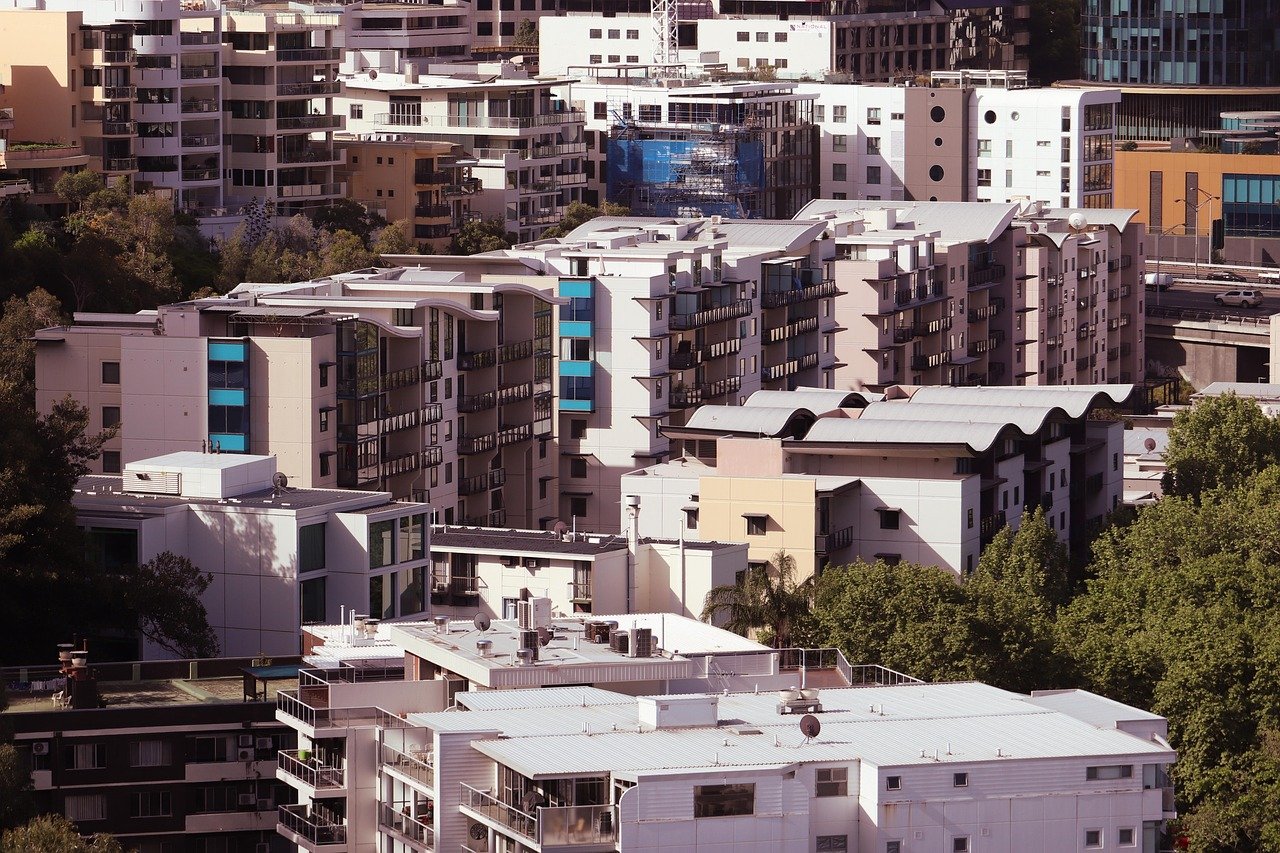

Investigating the Factors Driving Up Apartment Prices in Major U.S. Markets
Economic Growth
The robust economic growth in major U.S. markets such as New York City, Los Angeles, and San Francisco has played a pivotal role in driving up apartment prices. A flourishing job market attracts residents seeking employment opportunities. As companies expand and new businesses emerge in these urban hubs, the demand for housing intensifies. High-wage jobs in technology, finance, and healthcare sectors further elevate the financial capabilities of residents, leading to increased competition for available rental units.
Population Density and Urbanization
The trend of urbanization is prevalent across the United States, with many people opting for city life due to its conveniences and opportunities. Major cities are witnessing an influx of residents, resulting in heightened demand for apartments. The population density in urban markets often leads to a shortage of available rental properties, consequently driving up prices. The limited supply against a backdrop of rising demand creates a competitive landscape, making it increasingly challenging for potential renters to find affordable options.
Housing Supply Constraints
One of the critical factors contributing to rising apartment prices is the constrained housing supply in major markets. Zoning laws and regulations often impede the development of new residential properties. High construction costs, fueled by inflation and a shortage of skilled labor, pose additional barriers to creating more affordable housing. These constraints lead to a situation where demand outstrips supply, pushing prices upward in urban areas where people are keen to live.
Interest Rates and Financing
Rising interest rates significantly impact housing prices. As the Federal Reserve raises rates to control inflation, the costs of mortgage financing increase. Although this directly affects home sales more than rentals, it ripples through the housing market. For instance, potential homeowners who are priced out of the buying market often turn to rentals, increasing the demand for apartments. Consequently, landlords may raise rental prices to capitalize on this heightened interest.
Investment and Speculation
High demand and potential profitability attract investors to major U.S. real estate markets. Both domestic and foreign investors view urban properties as desirable investments, leading to increased buying activity. This investor interest can lead to speculation that drives prices up, as transactions elevate perceived property values. The presence of institutional investors further complicates the rental landscape, as they may opt to purchase entire buildings, reducing the availability of rental units for average consumers.
Changing Consumer Preferences
The preferences of consumers are evolving, impacting rental demand and pricing. Many younger renters, particularly millennials and Gen Z, prioritize urban living due to proximity to work, entertainment, and social opportunities. Their desire for modern amenities—such as in-unit laundry, fitness centers, and communal spaces—drives up demand for certain types of apartments, allowing landlords to increase rents. Additionally, the rise of remote work has led to shifts in demand, with some individuals seeking larger apartments that accommodate home offices, further intensifying competition.
Regulation and Rent Control
In cities where rent control and other housing regulations are implemented, the overall market dynamic shifts. While rent control aims to provide affordability for tenants, it can also lead to reduced investment in new rental housing. Landlords may find the financial incentives to upgrade or maintain rental properties diminished due to capped rent increases, resulting in a decline in overall housing quality. In turn, this can create a scarcity of desirable rental units in high-demand areas, subsequently driving up prices in unregulated markets.
Transportation and Infrastructure Development
The development of infrastructure, specifically public transportation, significantly influences apartment prices. Areas with improved transit access often see increased demand as they become more desirable for those commuting to work. Proximity to trains, subways, and buses can lead to skyrocketing prices as renters seek convenience. Urban developments connected by robust transportation networks can elevate real estate values by making them more accessible, thereby fostering competition and higher rental rates.
Tech Influence and Remote Work Trends
As the technology sector continues to thrive in major cities, its influence extends beyond job creation to shaping the housing market. The growth of tech companies leads to increased migration to tech hubs, driving demand for nearby housing. Furthermore, the rise of remote work has changed how and where people choose to live, expanding competition for rentals in desirable areas. Location has become more flexible as individuals prioritize quality of life, leading urban dwellers to seek larger or well-located apartments even if they come at a premium.
Demographic Shifts
An important driver in rental markets is the demographic change involving age and household dynamics. As baby boomers age and downsize, they often enter rental markets, seeking ease and accessibility in urban living. Meanwhile, millennials are starting families or forming new households, increasing the demand for larger apartments. Each demographic shift presents unique housing needs, creating a complex interplay of demand that affects apartment prices, also often leading to heightened rental rates.
Short-Term Rentals and Airbnb Market
The rise of short-term rental platforms like Airbnb has transformed how city dwellers utilize their properties. In many major U.S. markets, apartments that could serve long-term renters have been converted into vacation rentals, contributing to the housing shortage. This trend drives up demand for the remaining units, allowing landlords to increase prices. Furthermore, the instability in the availability of rental housing often affects long-term residents, exacerbating competition and driving rent higher.
The Impact of Climate Change
In an era where climate change is increasingly at the forefront, some markets are experiencing changes in demand influenced by environmental concerns. Areas perceived as more resilient to climate-related challenges—such as flooding or wildfires—are becoming more desirable. This phenomenon leads to soaring demand and subsequent price increases in safe, attractive locales, impacting overall U.S. apartment pricing trends as potential tenants prioritize safety and stability.
Regional Variability
Regional differences cannot be overlooked when examining factors driving apartment prices. Cities such as Austin are experiencing dramatic price hikes due to tech industry expansion and lifestyle shifts attracting new residents. Conversely, cities facing economic downturns may witness stagnant or declining rents. Understanding that economic, cultural, and political contexts vary greatly across regions is essential in grasping the holistic picture of U.S. apartment pricing dynamics.
By integrating these various factors—economic conditions, supply constraints, demand shifts, and external influences—one can appreciate the complexities behind rising apartment prices in major U.S. markets. Each element plays a critical role in shaping the rental landscape, creating a multifaceted interaction that ultimately leads to the current state of the housing market.
