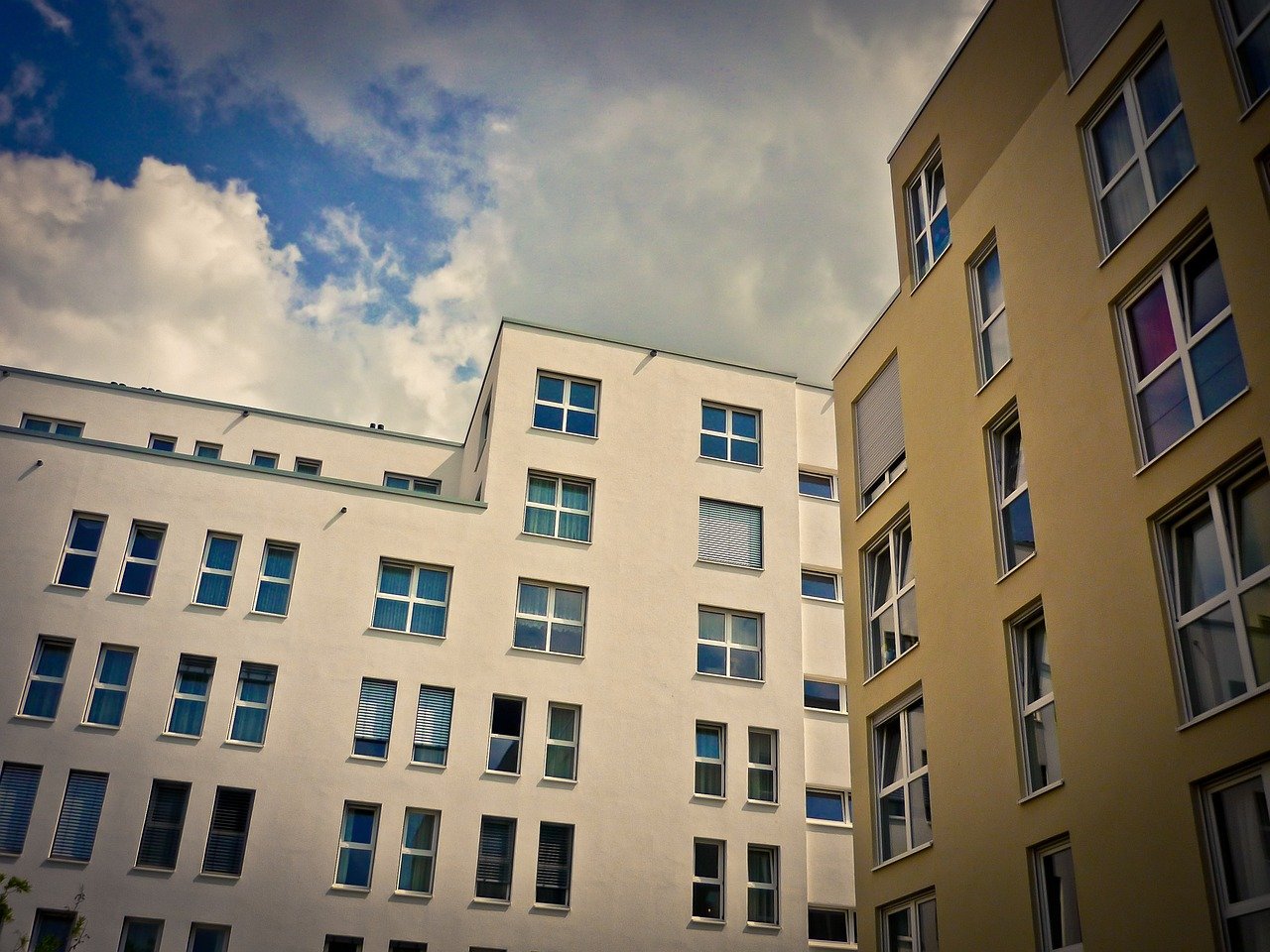

The Role of Tech Companies in Driving Apartment Demand in Major Cities
The urban real estate landscape has undergone significant transformation, particularly in major cities where tech companies thrive. From Silicon Valley to Seattle and Austin, the rise of technology firms has dramatically increased apartment demand. This trend can be attributed to several interrelated factors, including job creation, demographic shifts, lifestyle changes, and urban development.
Job Creation and Economic Growth
Tech companies are major employers, often offering lucrative salaries and benefits, which attract young professionals and tech-savvy workers from across the globe. Cities with a high concentration of tech firms see an influx of residents seeking proximity to job opportunities. Cities like San Francisco and Seattle have experienced rapid population growth, driven largely by the tech sector’s job creation.
For example, companies like Google, Facebook, and Amazon have not only expanded their workforce but also facilitated the growth of ancillary businesses. More jobs in a city correlate directly with increased demand for housing, especially in the apartment sector. This phenomena is particularly evident in urban ecosystems, where tech employees prefer the convenience and amenities that apartments offer, leading to a surge in both demand and housing prices.
Demographic Shift Toward Urban Living
The millennial generation, now the largest segment of the workforce, is driving a shift in housing preferences. Unlike previous generations, millennials prioritize experiences, urban lifestyles, and convenience over ownership. This demographic favors renting over buying, which has increased the demand for apartments in urban areas.
Furthermore, as remote work becomes more normalized, tech companies are recruiting talent from various locations or adopting hybrid models. This flexibility allows workers to live in urban centers where amenities, entertainment, and social experiences are abundant. As of recent years, cities like Austin have seen a significant rise in apartment demand due to their appeal as vibrant, tech-friendly hubs.
Lifestyle Preferences and Amenities
The urban lifestyle promoted by tech companies extends beyond simple job availability. Today’s workforce values amenities and neighborhood services that enhance quality of life. Tech firms have influenced the demand for apartments that offer modern features such as coworking spaces, fitness centers, rooftop gardens, and smart home technology that caters to a connected, urban lifestyle.
Apartments in these urban centers are often located near public transportation, dining, cultural venues, and weekend leisure activities, making them more desirable for professionals. The close proximity to work combined with access to appealing lifestyle amenities elevates the demand for urban apartments and drives developers to cater to these preferences.
Urban Development and Infrastructure Investment
The presence of tech companies in major cities often leads to substantial urban development and infrastructure investment. These companies typically advocate for improved public transport, parks, and community spaces, further enhancing the urban environment.
Investments in infrastructure have made cities more accessible, thereby increasing the desirability of living in urban settings. For instance, cities like San Francisco and Washington D.C. have seen significant improvements in their public transport networks, making commuting easier for apartment dwellers.
Moreover, as tech firms establish offices and campuses in previously overlooked areas, the resulting revitalization stimulates apartment construction and increases real estate value. The cycle of urban development and tech employment fosters further growth, ultimately leading to higher apartment demand.
Tech Amenities Influence on Apartment Design
The technological advancements and lifestyle preferences of tech employees have led apartment developers to innovate in design and functionality. Smart technologies, such as IoT devices, smart locks, and energy-efficient appliances, have become standard in many new developments.
Developers are keenly aware that tech-savvy renters are drawn to amenities that enhance convenience, security, and sustainability. As a result, many apartment complexes now feature high-speed internet, charging stations for electric vehicles, and energy-efficient building practices. The integration of technology into apartment amenities meets the needs of a digitally connected workforce, attracting renters and escalating demand.
The Impact of Tech Company Culture
The company culture inherent in many tech firms fosters collaboration, creativity, and innovation. Such values influence the lifestyle choices of their employees, leading to a preference for community-oriented living environments.
Shared spaces and communal activities within apartment complexes align with the tech culture of teamwork and networking. Residents of these apartments often have opportunities to connect with like-minded individuals, fostering not only professional relationships but also social cohesion. This desire for community living drives rental demand for apartments featuring shared amenities and community-driven events.
Regional Disparities in Demand
While tech companies have significantly influenced apartment demand in major cities, there remain substantial regional disparities. Cities that have emerged as tech hubs, like Austin, Denver, and Nashville, are experiencing rapid growth. Conversely, cities without significant tech presence may not see the same level of rental demand or price increases.
Real estate trends vary based on local economies, job markets, and housing supply. Market fluctuations in cities heavily dominated by tech companies often result in sharp increases in rental prices and a competitive landscape for available apartments. As job opportunities continue to expand in tech hubs, housing affordability may become an issue, leading to discussions about sustainable urban growth.
Gentrification and Housing Affordability Challenges
While the influx of tech companies boosts local economies, it also raises concerns about gentrification and housing affordability. As demand for apartments in tech-centric cities skyrockets, long-time residents may find it difficult to compete in the housing market, leading to displacement and a loss of community identity.
Policymakers must address these issues to ensure that the benefits of urban development are equitably distributed. Solutions might include affordable housing initiatives, zoning reforms, and incentives for developers to include a percentage of affordable units in new constructions.
Conclusion
The impact of tech companies on apartment demand in major cities is undeniable. Through job creation, lifestyle shifts, infrastructure investments, and the preference for modern living spaces, the tech sector is reshaping urban environment dynamics. As cities continue to evolve around this influential industry, stakeholders must navigate the balance between growth and sustainability while addressing the importance of affordability in the housing market. The future of urban living will depend heavily on this delicate equilibrium, solidified by tech’s ongoing role in driving apartment demand.
