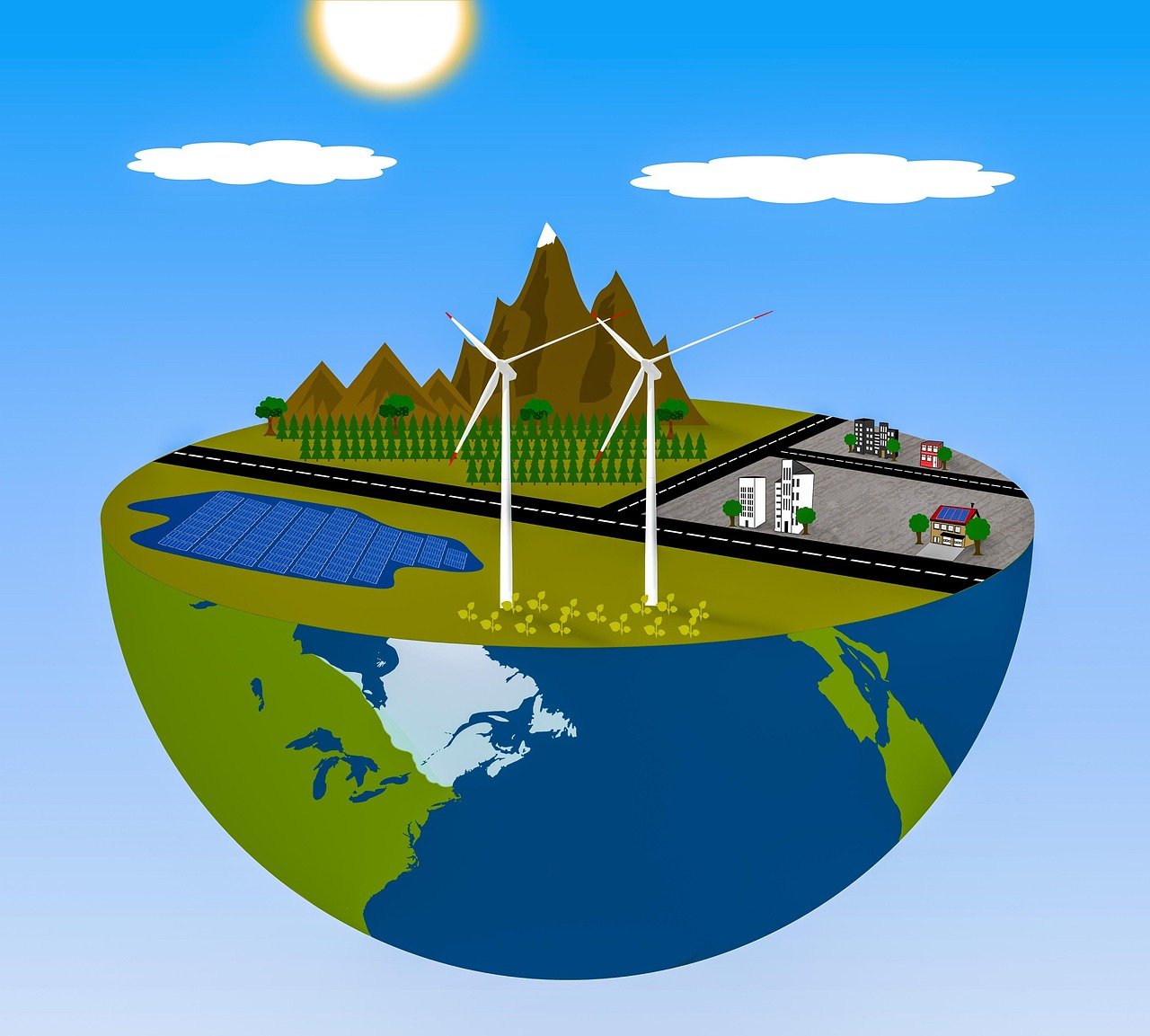

Innovative Green Communities: Leading the Way in U.S. Island Sustainability
Green Infrastructure and Its Importance
Innovative green communities are at the forefront of sustainability initiatives, particularly in the unique contexts of U.S. island ecosystems. These communities utilize green infrastructure—such as parks, natural landscapes, and green roofs—to manage stormwater, enhance biodiversity, and improve air quality. By mimicking natural processes, they reduce the urban heat island effect and mitigate flooding, making them ideal for delicate island environments.
Case Study: Port Townsend, Washington
Port Townsend exemplifies innovative green community practices. The city has embraced sustainable building codes that accommodate eco-friendly materials and energy-efficient designs. Green roofs have become a common feature, enhancing insulation and providing habitats for local wildlife. Additionally, rain gardens designed to capture runoff have been integrated into public spaces, promoting both aesthetic and functional benefits.
Sustainable Transportation Solutions
Sustainable transportation options such as biking, walking, and public transit are essential in island communities. For instance, Bainbridge Island, also in Washington, has developed an extensive network of bike lanes and pedestrian pathways. These alternatives are not only environmentally friendly but also encourage a healthy lifestyle. Furthermore, several islands have introduced electric shuttle services, further reducing carbon emissions and promoting clean energy.
Community-Based Renewable Energy Projects
Cooperative renewable energy projects are increasingly popular. In Hawaii, various islands have spearheaded community solar programs that allow residents to invest in shared solar installations. These initiatives provide significant savings on electricity bills while moving away from dependence on fossil fuels. The Kauai Island Utility Cooperative, for example, has committed to achieving 100% renewable energy by 2030, becoming a national model for sustainable energy practices.
Waste Reduction Initiatives
Island communities are also pioneering waste reduction programs. On San Juan Island, the local government has implemented comprehensive recycling and composting initiatives. By aiming for zero waste, the community not only diverts materials from landfills but also educates residents about reducing consumption. Their “Plastic-Free Challenge” encourages businesses and residents to reduce single-use plastics, fostering a more sustainable mindset.
Water Conservation Strategies
Water scarcity is a pressing issue for many U.S. islands. Innovative green communities have adopted water conservation strategies to ensure sustainable use of this vital resource. For instance, the Virgin Islands have invested in rainwater harvesting systems that capture and store rain, providing a crucial water source during dry spells. Additionally, education programs focus on promoting water-saving behaviors among residents and visitors alike.
Biodiversity Conservation Efforts
Sustainability on islands also intertwines with biodiversity conservation. Communities such as the Galveston Island ecosystem in Texas have initiated programs to protect native plant species and restore natural habitats. Through partnerships with local non-profits and government agencies, these communities engage in habitat restoration activities, planting native vegetation, and removing invasive species. Such efforts not only enhance local ecosystems but also help combat climate change by sequestering carbon dioxide.
Urban Farming Initiatives
Urban farming has gained traction across various island communities in the U.S., fostering local food production and reducing food miles. In places like Martha’s Vineyard, community gardens have proliferated, allowing residents to grow fresh produce collectively. These gardens serve as communal spaces for education and collaboration, reinforcing the community’s ties while promoting sustainable agriculture.
Resilient Coastal Planning
Coastal management is paramount for island sustainability. Innovative communities are investing in resilient coastal planning to mitigate the impacts of climate change and sea-level rise. For instance, the Isle of Palms in South Carolina has designed a shoreline management plan that integrates natural barriers such as dunes and wetlands to protect against erosion and flooding. This proactive approach helps preserve both the environment and the local economy.
Eco-Tourism Development
Eco-tourism is an integral component of sustainable development for many islands. By promoting responsible travel practices, communities safeguard their natural resources while boosting local economies. The Florida Keys, for example, have implemented strict guidelines to protect marine ecosystems from over-tourism. Eco-friendly accommodations and activities not only appeal to environmentally conscious travelers but also ensure that the local flora and fauna thrive.
Community Engagement and Education
Effective programs require community involvement and education. Innovative green communities actively engage residents with workshops, events, and volunteer opportunities, fostering a culture of sustainability. For example, educational initiatives on Block Island, Rhode Island, focus on marine conservation and renewable energy, inspiring younger generations to prioritize environmental stewardship.
Technological Innovations in Sustainability
Technology plays a critical role in enhancing sustainability. Smart grid technology, which optimizes energy distribution, is increasingly adopted by island communities. In the U.S. Virgin Islands, initiatives using IoT-enabled devices help monitor energy consumption patterns, identifying areas for efficiency improvements. Such innovations empower residents to tailor their energy use, making significant strides toward sustainability.
Collaboration with Indigenous Communities
It’s vital that innovative green communities respect and incorporate the knowledge of Indigenous peoples. Many island ecosystems have been traditionally managed by Indigenous communities, which offer invaluable insights into sustainable practices. Collaborations between Indigenous groups and local governments can enhance resilience and foster ecological balance, preserving cultural heritage along with natural resources.
Climate Adaptation Strategies
Anticipating the effects of climate change is crucial for island sustainability. Communities like Oak Bluffs on Martha’s Vineyard have developed climate adaptation strategies to address rising sea levels and increasing storm intensity. Initiatives include reinforcing infrastructure, restoring coastal ecosystems, and designing adaptable public spaces. Continuous reassessment of risks ensures that these communities remain agile in the face of changing environmental conditions.
Policy and Governance for Sustainability
Strong policy frameworks are essential for fostering innovative green communities. Local governments are adopting progressive policies that prioritize sustainability, supporting initiatives such as tax incentives for renewable energy installations and stringent regulations on waste management. This policy shift mirrors a growing recognition of the interconnectedness of social equity and environmental health.
Financial Models for Sustainable Development
Establishing sustainable financial models is essential for long-term viability. Innovative green communities explore various funding sources, including grants, public-private partnerships, and crowd-funding campaigns. For instance, some island communities leverage tax benefits for local businesses implementing sustainable practices, creating a win-win situation for both the economy and the environment.
Showcasing Success Stories
Highlighting success stories within innovative green communities serves as a powerful motivator for others. Case studies like that of Vashon Island in Washington demonstrate how collective efforts lead to significant environmental changes. The island’s commitment to sustainability has led to reduced greenhouse gas emissions and increased awareness of ecological issues among residents.
Investing in Green Jobs and Workforce Development
The transition to sustainable practices creates opportunities for green jobs within island communities. Programs that focus on training in renewable energy, conservation, and sustainable agriculture are essential for developing a skilled workforce. For instance, workforce development initiatives in Hawaii emphasize job training in solar panel installation and landscape restoration, preparing residents for the green economy.
Leveraging Local Partnerships for Greater Impact
Collaboration across sectors amplifies the impact of sustainability initiatives. Partnerships between educational institutions, non-profits, and local government enhance resource sharing and program effectiveness. In Key West, Florida, such collaborations have led to the establishment of marine research initiatives that benefit both the environment and the local economy.
Promoting Resilience through Community Development
Resilience is the ultimate goal of innovative green communities. By integrating ecological principles into the fabric of community development—focused on health, education, and economic stability—these islands are preparing for an uncertain future. The adaptability of their policies and practices ensures they remain at the forefront of sustainability efforts.
Sustainable management of island ecosystems requires a multifaceted approach. By pursuing innovative strategies, engaging the community, and fostering collaboration, U.S. islands can serve as examples of how commitment to green practices leads to a healthier planet. The bright future for these innovative green communities lies in their continued progress toward sustainability goals, showcasing the power of unified efforts in preserving the unique natural heritage of our island ecosystems.
