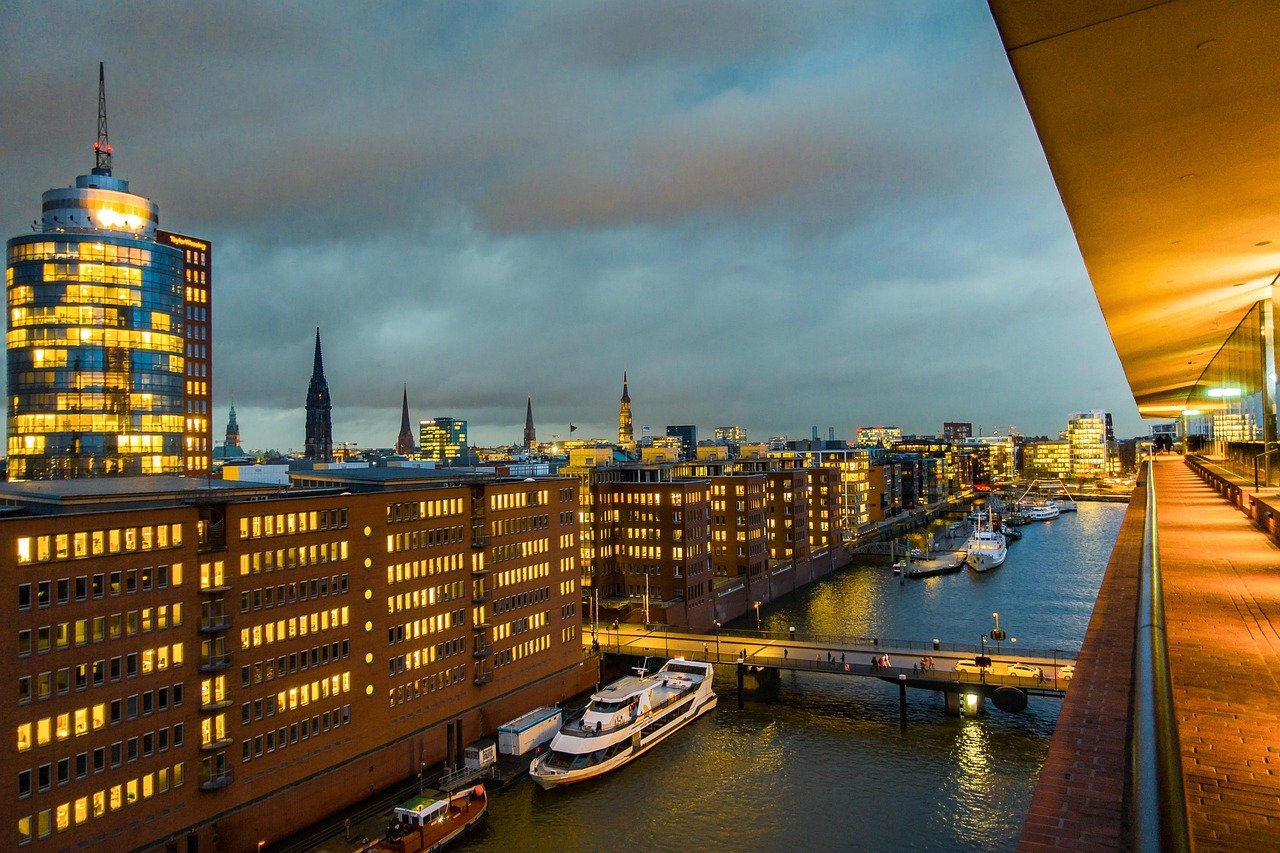

Understanding Urban Density in Residential Development
Urban density refers to the number of people living within a specific area, typically measured in units such as residents per square mile. In recent years, various cities across the United States have seen a significant rise in urban density due to migration patterns, economic opportunities, and the trend towards urban living. This increase presents both challenges and opportunities for residential development.
Challenges of Urban Density
1. Infrastructure Strain
As urban populations swell, existing infrastructure often struggles to cope with the increased demand for services such as water, sewage, transportation, and electricity. Developers must navigate intricate regulations and cooperate with local governments to ensure that infrastructure can support new developments. Investment in infrastructure upgrades often becomes a precondition for new residential projects, sometimes causing delays and driving up costs.
2. Affordable Housing Crisis
High urban density can exacerbate affordability issues. As demand for housing increases, so do real estate prices, making it difficult for low- and middle-income families to find suitable living arrangements. Developers are challenged to create affordable housing options amidst this landscape. Strategies may involve allocating a portion of new developments as affordable units or utilizing incentives like tax credits to make projects economically viable.
3. Zoning Regulations
Zoning laws dictate what types of buildings can be constructed and how land can be used, and these laws can vary significantly from one municipality to another. These regulations can restrict the height, density, and type of residential buildings, making it difficult for developers to maximize their project’s potential. Engaging with local zoning boards and understanding the intricacies of local regulations is essential for successful navigation of these challenges.
4. Community Resistance
Increased urban density often leads to community pushback. Residents may resist new developments due to fears of overcrowding, diminished quality of life, or changes to neighborhood character. Engaging with community stakeholders early in the project helps mitigate opposition. Transparent discussions regarding the benefits of increased density—such as improved amenities, economic growth, and enhanced public transport—can alleviate concerns and foster a sense of community ownership.
Strategies for Effective Urban Development
5. Mixed-Use Development
Integrating residential units with commercial and recreational spaces can create vibrant, walkable neighborhoods. Mixed-use developments not only cater to residents’ needs but also help stimulate local economies by encouraging foot traffic and reducing reliance on cars. Thoughtfully designed mixed-use spaces can enhance the overall appeal of a neighborhood, making it more attractive to potential residents.
6. Sustainable Practices
Implementing sustainable practices is crucial in dense urban settings. Developers can utilize green building techniques, such as energy-efficient appliances, sustainable materials, and water conservation systems, to reduce their environmental footprint. Projects that incorporate green roofs, community gardens, and urban farming can enhance residents’ quality of life while promoting sustainability.
7. Smart Technology Integration
The rise of smart technology offers innovative solutions to the challenges of urban density. Smart grids, traffic management systems, and water monitoring can enhance the efficiency of urban infrastructure. Developers can incorporate these technologies into new residential projects, providing amenities such as smart home systems, integrated public transportation information, and adaptive lighting to improve lifestyle quality for residents.
Revitalizing Urban Spaces
8. Adaptive Reuse
Transforming existing structures into residential units is a strategic solution for dense urban areas. This adaptive reuse can preserve historical significance while meeting modern housing needs. It decreases the demand for new construction, helps conserve resources, and can often be a quicker solution compared to building new buildings from the ground up.
9. Building Upward, Not Outward
In many urban environments, land availability is limited, making vertical expansion a viable option. Constructing multi-story residential buildings can maximize available space while minimizing urban sprawl. Many cities are embracing height increases in zoning regulations to facilitate this growth. Developers who focus on vertical constructions can offer more housing options within limited land areas.
10. Transit-Oriented Development (TOD)
Investing in developments near public transportation hubs can significantly alleviate traffic congestion and reduce carbon emissions. TODs encourage residents to rely on public transport, thereby reducing the number of vehicles on the road. By focusing residential projects around key transit nodes, developers can promote sustainable practices and help facilitate an integrated community.
Addressing Equity in Housing
11. Inclusive Design
Urban density must address the diverse needs of the population, including varied income levels, lifestyles, and physical abilities. Embracing inclusive design principles can ensure that new developments are accessible to everyone. Considerations such as universal design guidelines, availability of resources for those with disabilities, and features aimed at family-friendly environments can enhance urban living.
12. Community Engagement Initiatives
Developers should create channels for ongoing community engagement, ensuring that residents have a voice in the development process. Workshops, forums, and surveys can provide valuable insights into community needs and help shape projects that resonate with local residents. Relationships built through engagement can lead to more successful and welcomed developments.
Long-Term Solutions and Viability
13. Public-Private Partnerships
Collaborative efforts between public organizations and private developers can provide essential resources and support for developing urban areas. Through these partnerships, municipalities can leverage private investment to improve infrastructure, public amenities, and housing options, leading to more resilient urban neighborhoods.
14. Monitoring Growth and Providing Support
Continuous assessment of urban growth trends is vital for proactive planning. Governments should prioritize data gathering on demographics, housing stock, and infrastructure needs to anticipate challenges and adapt strategies accordingly. Providing financial support for developers who create affordable housing can further alleviate the issues tied to density.
15. Incentives for Sustainable Practices
Offering incentives such as tax breaks, expedited permitting, or grant programs can encourage developers to incorporate environmentally friendly practices. Highlighting the long-term savings associated with such investments can foster a culture of sustainability within the residential development sector.
Navigating the challenges posed by urban density requires strategic planning, community involvement, and innovative thinking. By embracing a multifaceted approach, developers can create thriving urban environments that serve the needs of diverse populations while contributing to sustainable, livable cities.
