
The Rise of Sustainable Housing: Island Communities Pioneering Green Practices
1. Understanding Sustainable Housing
Sustainable housing refers to residential designs that minimize environment harm through efficient energy use, reduced waste, and sustainable materials. These homes often incorporate renewable energy sources, such as solar and wind, and prioritize ecological responsibility in construction and maintenance. Island communities, being particularly vulnerable to climate change and rising sea levels, are at the forefront of adopting sustainable housing practices.
2. Geographic and Environmental Challenges
Island communities face unique environmental challenges including limited land, freshwater scarcity, and susceptibility to extreme weather events. The encroachment of climate change exacerbates these vulnerabilities, necessitating innovative solutions in housing. Rising sea levels threaten coastal structures, while storms endanger power and water supplies. Sustainable housing offers a path forward, allowing these communities to create resilient homes that adapt to their environmental realities.
3. Renewable Energy Integration
3.1 Solar Energy Adoption
Many island communities are turning to solar energy as a primary source of power. For instance, islands like Maui and the Maldives are investing heavily in solar panel installations on residential rooftops. These systems significantly reduce local dependence on imported fossil fuels, cutting energy costs and minimizing carbon footprints.
3.2 Wind Energy Solutions
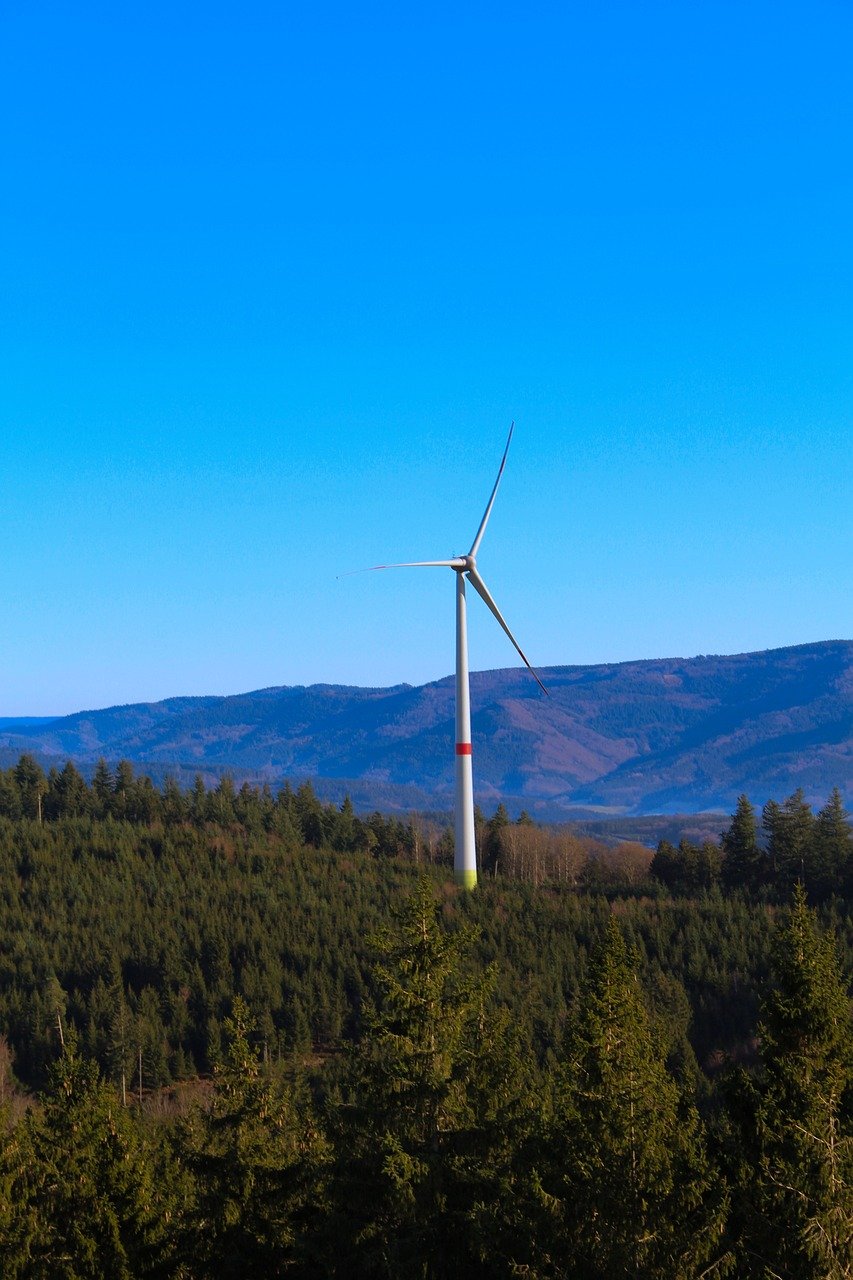
Wind turbines are another critical renewable energy source for islands with suitable wind patterns. Islands such as Bonaire utilize wind energy as part of their sustainable housing initiative. Small wind farms near residential areas provide clean energy while complementing solar installations, promoting a balanced energy portfolio.
4. Water Conservation Techniques
Water scarcity is a pressing issue in island communities. Sustainable housing integrates effective rainwater harvesting and greywater recycling systems.
4.1 Rainwater Harvesting
Rainwater harvesting systems collect and store rainwater for domestic use, alleviating stress on local aquifers. The island of Rodrigues, part of Mauritius, showcases successful rainwater harvesting systems in its housing projects, allowing residents to use collected water for irrigation and non-potable needs.
4.2 Greywater Recycling
Greywater recycling systems treat and reuse water from sinks, showers, and washing machines. These systems can reduce overall water usage by up to 50%, making them particularly beneficial in areas with limited freshwater resources. Communities integrating such systems are setting new benchmarks for sustainable living.
5. Use of Sustainable Materials
Island housing projects are increasingly focusing on sustainable materials that minimize environmental impact. Locally-sourced materials reduce transport emissions and support local economies.
5.1 Bamboo and Rammed Earth
Bamboo, with its rapid growth and high strength-to-weight ratio, is becoming a favored building material in sustainable housing. Rammed earth construction uses natural materials such as clay, sand, and gravel, offering excellent thermal mass for energy efficiency. The islands of Bali and Fiji are embracing these materials in their construction projects, promoting architectural practices that harmonize with ecosystems.
5.2 Recycled Materials
Recycling materials, such as reclaimed wood and metal, also plays a vital role in green building initiatives. Some island communities are refurbishing existing structures rather than demolishing them, thus minimizing waste and preserving cultural heritage.
6. Innovative Design Practices
6.1 Passive Design Strategies
Sustainable housing emphasizes passive design elements, which maximize natural ventilation and lighting while minimizing energy consumption. In tropical island climates, designs often include overhangs for shade and high ceilings to facilitate airflow.
6.2 Modular and Prefabricated Homes
Prefabricated homes offer an efficient solution for constructing sustainable housing. Built off-site, they reduce waste and construction time. Companies focusing on modular designs in island settings lead the charge, enabling faster, eco-friendly housing solutions.
7. Community Involvement and Education
Sustainability is not just about infrastructure; it thrives on community buy-in and education. In many island communities, workshops and outreach programs engage residents in sustainable practices, emphasizing the importance of collective effort in environmental stewardship.
7.1 Local Workshops and Initiatives
Organizations such as Eco Island in the Isle of Wight run workshops that teach sustainable gardening and energy efficiency. Engaging local residents fosters a culture of sustainability that extends beyond housing to all facets of life on the island.
7.2 Youth Education Programs
Involving the youth in sustainability initiatives ensures long-term benefits. Programs tailored for schools can cultivate a generation of environmentally aware citizens committed to sustainable lifestyles.
8. Economic Incentives and Policy Support
Government policy plays a crucial role in facilitating sustainable housing development. Financial incentives encourage homeowners to invest in eco-friendly practices.
8.1 Tax Rebates and Grants
Tax rebates for solar installations and grants for energy-efficient renovations help offset the costs of sustainable housing upgrades. Regions like Iceland have effectively implemented these strategies, leading to increased renewable energy adoption among homeowners.
8.2 Zoning and Building Codes
Flexible zoning laws and building codes that promote sustainable practices are essential. Island jurisdictions can enact codes prioritizing energy-efficient designs and eco-friendly materials, pushing builders towards greener alternatives.
9. Case Studies of Successful Island Communities
9.1 The Azores: A Model of Sustainability
The Azores, an archipelago in Portugal, exemplifies successful sustainable housing practices. With initiatives focusing on energy independence through geothermal and solar energy, the Azores promotes community-wide sustainability. The integration of green roofs in homes helps regulate indoor temperatures and fosters biodiversity.
9.2 The Maldives: Rising to the Challenge
In the Maldives, after severe flooding events prompted discussions on resilience, communities began implementing sustainable housing practices. Innovations like floating homes, equipped with green technologies, represent forward-thinking designs that aim to address immediate environmental crises.
10. Global Lesson and Influence
Island communities serve as vital laboratories for sustainability, demonstrating that innovative housing solutions can emerge from necessity. Their efforts can provide valuable insights for mainland communities aiming to implement similar sustainable practices. Collaborative global networks unite these islands, sharing knowledge and strategies to combat climate change.
Centralizing sustainability in housing design can catalyze regional and global shifts toward greener practices. As island communities place ecological integrity at the forefront of their development, they light the way for a more sustainable future for all.
