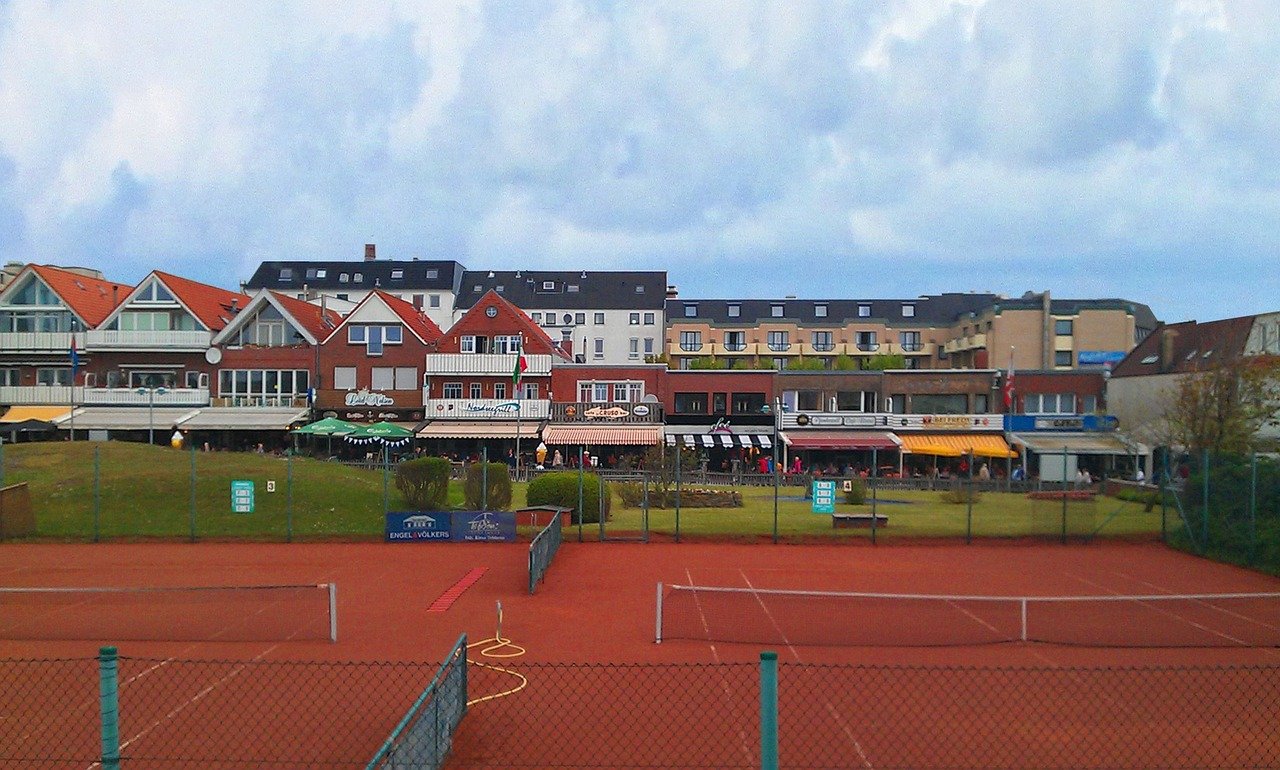

Urban Redevelopment Projects Reviving Downtown Office Spaces
The Rise of Urban Redevelopment
Urban redevelopment initiatives are at the forefront of revitalizing downtown office spaces, especially in light of changing work dynamics post-pandemic. Cities across the globe are investing heavily in innovative urban renewal projects aimed to breathe new life into underutilized or vacant properties in their central business districts (CBDs). This revitalization is not merely about aesthetics; it addresses economic recovery, social cohesion, and environmental sustainability within urban areas.
Key Drivers of Change
-
Shift in Work Culture: The COVID-19 pandemic triggered a significant paradigm shift in workplace environments. As remote and hybrid work models gained traction, the demand for traditional office space diminished. Urban redevelopment projects now focus on transforming offices into multi-functional spaces that accommodate co-working, cafes, and social areas to attract workers back to city centers.
-
Sustainability Initiatives: Increasing awareness of environmental issues has propelled many urban redevelopment projects to incorporate sustainability into their designs. Developers are prioritizing energy-efficient buildings, green roofs, and regenerative materials, aligning with global sustainability goals.
-
Economic Incentives: Governments are incentivizing urban redevelopment through tax breaks, grants, and zoning law adjustments. These financial incentives make it attractive for private investors to engage in redevelopment projects that can stimulate job creation and economic growth.
Transformative Redevelopment Concepts
Adaptive Reuse
One of the most effective strategies in urban redevelopment is adaptive reuse, where existing buildings are renovated for new purposes rather than constructing anew. This approach not only preserves historical architecture but also reduces the environmental footprint associated with new construction. For instance, an old warehouse may become a trendy office space, complete with modern amenities while maintaining its character.
Successful examples include cities like Detroit, where former industrial sites have been transformed into mixed-use developments that attract tech startups and creative industries. These projects utilize the unique architectural features of older buildings, enhancing their aesthetic appeal.
Mixed-Use Developments
Mixed-use developments combine residential, commercial, and recreational spaces, creating vibrant communities where people can live, work, and play. The combination of different functionalities within a single development invites more foot traffic, fostering a lively urban atmosphere.
Urban planners are focusing on creating integrated communities that cater to the needs of residents and users alike. Projects like The Wharf in Washington, D.C., exemplify this trend, providing office spaces alongside retail, dining, and leisure options, making the area a desirable destination.
Smart City Technologies
Urban redevelopment projects are increasingly leveraging smart city technologies to optimize operational efficiency and enhance the user experience. This includes smart lighting, integrated transportation systems, and real-time data applications for monitoring environmental quality.
Implementing Wi-Fi accessibility throughout redeveloped spaces and using IoT (Internet of Things) for building maintenance systems adds to the modern appeal of urban redevelopment, making these areas more attractive for businesses and people alike.
Challenges in Urban Redevelopment
Despite the enthusiasm surrounding urban redevelopment, several challenges persist.
-
Financing Difficulties: Securing adequate financing for redevelopment projects can be daunting. Investors may be hesitant to fund ventures with uncertain returns, especially in a post-pandemic environment where office space demand is unsettled.
-
Community Resistance: Local communities may resist redevelopment projects due to fears of gentrification or loss of local identity. Ensuring community engagement through public forums and participatory planning is crucial in addressing misgivings and fostering support for new developments.
-
Regulatory Hurdles: Navigating the complex landscape of zoning laws and building regulations can delay projects. Collaborating closely with city planners and adhering to local regulations can facilitate smoother project execution.
Revitalization Strategies
Community Engagement
Engaging the community throughout the planning and development process is vital for the success of urban redevelopment projects. Listening to community concerns and adjusting plans accordingly can help ensure support. Many developers are organizing workshops and forums to solicit local input and gain insights into the unique needs and desires of the community.
Historic Preservation
Incorporating historic preservation strategies into redevelopment efforts can honor a city’s heritage while infusing new life into its urban fabric. From storefront restorations to the renovation of entire blocks, preserving historical context can make redeveloped areas more appealing and successful.
Transit-Oriented Development
Focusing on improving public transportation accessibility is a key factor in successful urban redevelopment. Offering easy access through improved transit options not only encourages people to visit the area but can also be a selling point for businesses seeking office space in vibrant, easily accessible locations.
Noteworthy Case Studies
-
Hudson Yards, New York City: A prime example of urban redevelopment, Hudson Yards combines office spaces, retail, dining, and residential units. The project also includes public parks and art installations, creating an integrated urban space.
-
The High Line, New York City: This elevated linear park transformed a disused railway line into a green space that stimulates local real estate markets and attracts businesses. It exemplifies how urban redevelopment can renew community spaces.
-
King’s Cross, London: One of London’s largest regeneration projects, King’s Cross has transformed derelict industrial land into vibrant commercial, residential, and public spaces. The project has successfully linked the historical context of the area with modern urban living.
Future Trends in Urban Redevelopment
As cities continue to adapt to changing demographics and economic pressures, urban redevelopment will evolve accordingly.
-
Increased Focus on Inclusivity: Future projects will likely incorporate affordability in housing and commercial space to ensure inclusiveness, catering to a broader demographic spectrum.
-
Health and Wellbeing: Post-COVID, there’s a growing emphasis on designing spaces that promote well-being. Developments are integrating health-promoting features, such as green spaces and wellness facilities.
-
Resilience and Adaptability: Future urban designs will prioritize resilience in the face of climate change and economic fluctuations. Projects will focus on adaptable spaces that can quickly change function or tenant needs, responding dynamically to urban demands.
The revitalization of downtown office spaces through urban redevelopment initiatives promises to shape the future of cities, fostering vibrant, sustainable communities equipped for the demands of modern urban living.
