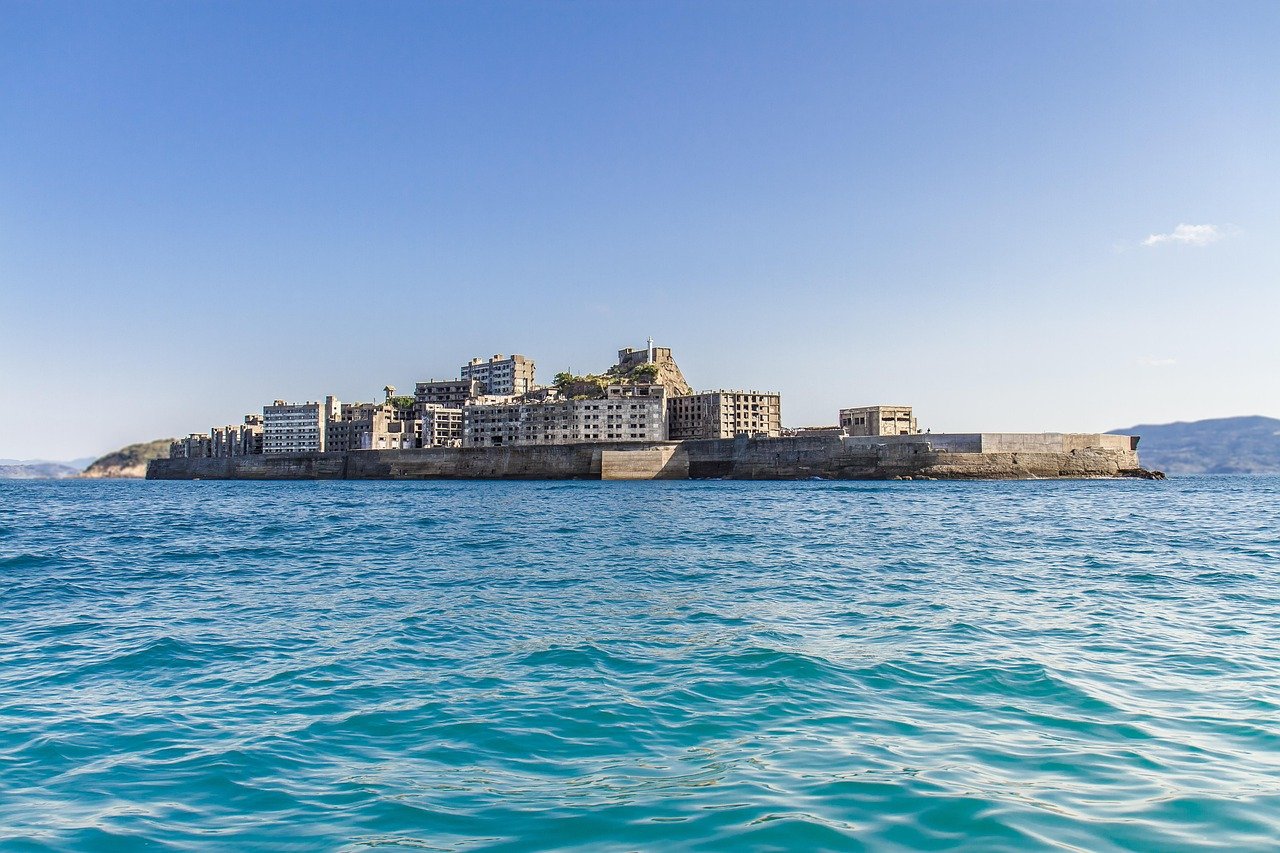

Sustainable Island Living: Innovations in Eco-Friendly Property Development
The Rise of Eco-Friendly Island Development
As the world increasingly faces climate change challenges, sustainable island living has emerged as a beacon of hope. Eco-friendly property development is taking center stage as architects and developers collaborate to create sustainable communities that prioritize the environment without compromising on modern comforts. This shift focuses on harnessing innovative technologies, sustainable materials, and eco-friendly practices.
Renewable Energy Solutions
One of the most significant advancements in sustainable island living is the integration of renewable energy sources. Islands, often relying on imported fossil fuels, stand to benefit immensely from harnessing the power of the sun, wind, and tides.
-
Solar Energy: Photovoltaic (PV) panels are becoming commonplace in island developments. Residential solar systems are not only reducing reliance on traditional power grids but also enabling homeowners to generate electricity on-site. This energy can power homes, charge electric vehicles, and even sell back excess energy to the grid.
-
Wind Turbines: In locations with consistent wind patterns, small wind turbines can be effectively implemented. These turbines can provide significant energy for individual homes or clusters of properties, contributing to a community’s energy independence.
-
Tidal and Wave Energy: Some islands are beginning to explore tidal and wave energy technologies, which utilize ocean currents and wave movement to generate power. Though still in the early stages of development, these methods hold great promise for future energy independence.
Eco-Friendly Building Materials
The choice of construction materials significantly impacts the sustainability of island properties. Developers are increasingly turning to eco-friendly materials that reduce environmental footprints.
-
Sustainable Timber: Certified sustainably sourced wood is gaining popularity. Bamboo, in particular, is becoming a favored choice due to its rapid growth and durability.
-
Recycled Materials: Using recycled plastic, glass, and metal in construction reduces waste and lowers the demand for new raw materials. Developers are constructing homes with walls made from recycled materials that offer both insulation and aesthetic appeal.
-
Local Resources: Utilizing materials sourced from local artisans helps reduce transportation emissions and supports the local economy. Stone, clay, and other natural materials can be harvested responsibly, aligning the construction process with environmental conservation efforts.
Water Conservation Techniques
Water is a precious resource, especially in island regions that may face shortages. Sustainable property developments are incorporating water conservation methods that ensure minimal waste.
-
Rainwater Harvesting: Systems designed for rainwater catchment allow homeowners to collect and store rainwater for non-potable uses such as irrigation and toilet flushing.
-
Greywater Recycling: This innovative system treats and reuses greywater (from sinks and showers) for landscape irrigation, significantly reducing overall water consumption.
-
Xeriscaping: Landscaping with drought-resistant plants minimizes the need for irrigation. Incorporating native flora into the landscape not only conserves water but enhances the island’s natural beauty.
Smart Technology Integration
Innovations in smart home technology are critical for enhancing sustainability in island living. These advancements provide homeowners with the tools to monitor and manage their resource consumption effectively.
-
Energy Management Systems: Smart meters and energy management applications allow residents to track their energy usage in real-time. This information empowers homeowners to make informed decisions, reducing their overall energy consumption.
-
Automated Home Systems: Smart thermostats can optimize heating and cooling based on occupancy patterns, while smart irrigation systems regulate water use based on local weather data.
-
Sustainable Transportation Solutions: Electric vehicle (EV) charging stations are becoming essential features in eco-friendly properties. Promoting the use of electric bikes and scooters also encourages sustainable transportation options.
Community Design and Infrastructure
A critical element of sustainable island living is the thoughtful design of communities and infrastructure that prioritize connectivity, sustainability, and livability.
-
Mixed-Use Developments: Integrating residential and commercial spaces reduces the necessity for long commutes. Residents can live, work, shop, and play in close proximity, reducing carbon footprints associated with transportation.
-
Pedestrian and Bicycle Pathways: Designing neighborhoods with dedicated pathways promotes walking and biking, ensuring that transportation remains eco-friendly. Well-planned pathways encourage a healthier lifestyle and create a sense of community.
-
Green Spaces: Parks and communal gardens are integral to sustainable developments. These green spaces not only enhance biodiversity but also provide areas for recreation and relaxation, fostering a cohesive community.
Biodiversity and Conservation Efforts
Sustainable island living goes beyond property development; it involves the protection and enhancement of local ecosystems. Developers play a crucial role in ensuring that biodiversity is preserved.
-
Wildlife Corridors: Incorporating wildlife corridors into developments helps maintain ecological balance. These corridors allow animals to migrate safely between habitats, ensuring genetic diversity.
-
Native Plant Landscaping: Emphasizing the use of native plants in landscaping supports local ecosystems. Native species are better adapted to local climates and require less maintenance and water.
-
Conservation Initiatives: Partnering with environmental organizations can enhance conservation efforts. Developers can establish programs focused on reforestation, wetland restoration, or marine habitat protection.
Regenerative Practices and Local Economy Support
Sustainable island living must foster not only the environment but also the local economy. Developers can adopt regenerative practices that contribute positively to the local community.
-
Local Jobs Creation: Employing local labor for construction and maintenance creates jobs and stimulates the economy. Sustainable practices in building also provide training opportunities for residents.
-
Community-Building Initiatives: Encouraging community engagement in planning and development processes can support social equity. This approach ensures that the communities reflect the desires and needs of their residents.
-
Support for Local Artisans: Incorporating art and craftsmanship from local artisans enriches properties and emphasizes cultural significance. This can include commissioned artwork, handcrafted furniture, or even collaborative workshops.
Regulatory Framework and Incentives
Governments play a vital role in promoting sustainable island living through regulatory frameworks and incentives. Collaborative efforts can unlock further innovations in eco-friendly property development.
-
Zoning Regulations: Policies encouraging sustainable practices in zoning can facilitate integrated community design, promote green spaces, and limit overdevelopment.
-
Financial Incentives: Tax benefits and grants for energy-efficient building practices encourage investment in sustainability. Developers can also gain funding for innovative projects through public-private partnerships.
-
Long-Term Sustainability Goals: Setting ambitious sustainability goals at the governmental level can drive collective action and investment in eco-friendly developments.
Innovative Water Management Systems
Investing in innovative water management systems is crucial for island sustainability. With freshwater resources being finite, these systems aim to optimize water use management while promoting conservation.
-
Decentralized Water Treatment Facilities: Instead of centralized systems that require extensive infrastructure, decentralized water treatment facilities treat wastewater on-site, allowing for efficient resource management.
-
Desalination Technologies: Several islands are employing advanced desalination technologies, transforming seawater into drinkable water. Innovations in energy-efficient desalination methods make this a viable option.
-
Wetland Restoration Projects: Enhancing existing wetlands or creating new ones plays an essential role in aquifer recharge and flood control. Wetlands serve as natural water management systems that filter pollutants and support biodiversity.
The Future of Sustainable Island Living
Sustainable island living is not merely a trend; it represents a profound shift in how we construct our homes and communities. With a focus on eco-friendly property development, enhanced renewable energy solutions, innovative water management systems, and community engagement, islands have the potential to become models for sustainable living.
Utilizing a multidisciplinary approach will ensure that islands not only offer a quality living environment today but also safeguard it for generations to come. The ongoing collaboration between architects, developers, and local communities will shape a sustainable future that respects the balance between human needs and ecological preservation.
The above factors exemplify the innovations that reinforce the essence of sustainable island living, allowing developed properties to thrive harmoniously with their natural surroundings. Through concerted efforts in eco-friendly property development, the islands can become thriving communities that prioritize sustainability for all.
