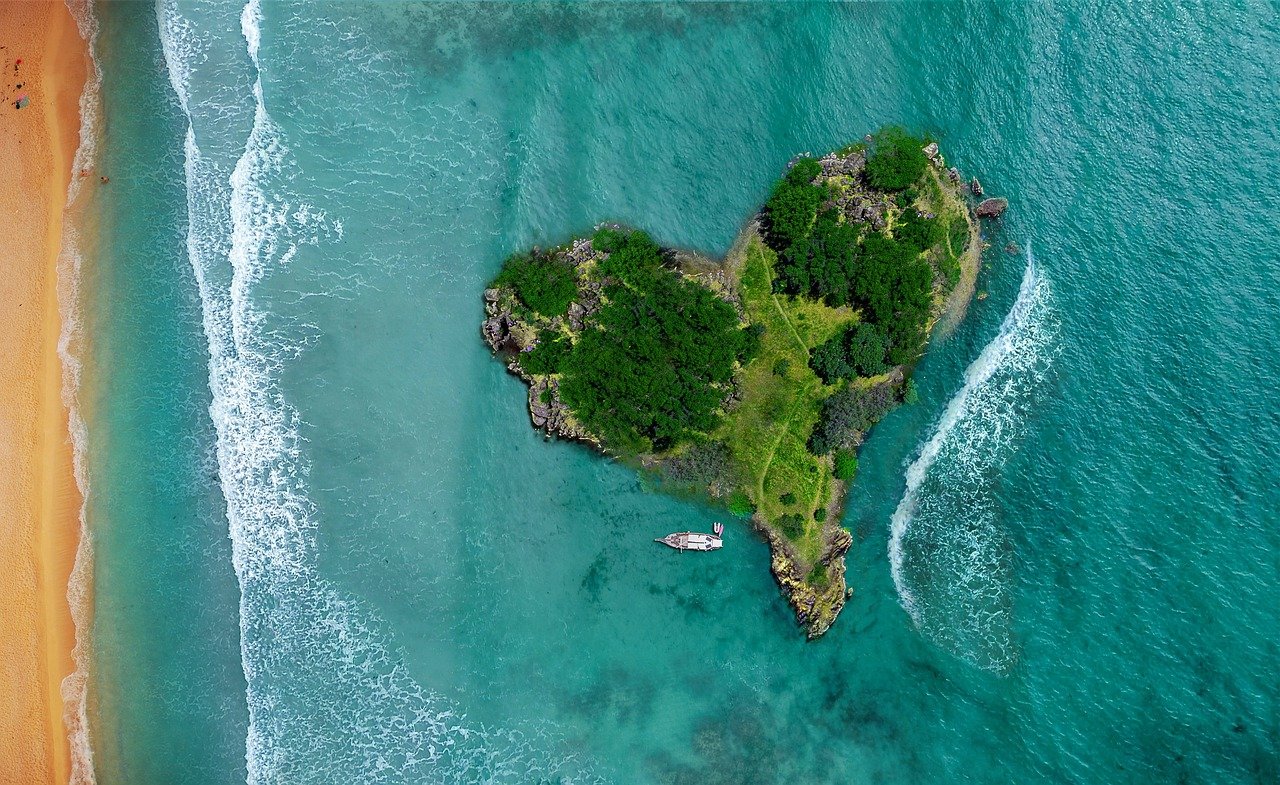

Understanding Water Challenges in Island Property Development
Island property development faces unique challenges, primarily due to their limited freshwater resources. Unsustainable water management can significantly impact the ecosystem and local communities. This necessitates the urgent need for adopting advanced water conservation technologies in the planning and construction phases of island properties.
Rainwater Harvesting Systems
Rainwater harvesting (RWH) systems are a cornerstone of water conservation in island developments. They involve collecting and storing rainwater from roofs, pavements, and other surfaces. By installing RWH systems, developers can reduce dependency on groundwater sources.
Key Features:
- Filtration Systems: Essential for ensuring collected rainwater is clean and safe for various uses.
- Storage Tanks: These are typically designed to accommodate the average rainfall in the area, ensuring optimal usage throughout dry spells.
Greywater Recycling
Greywater systems facilitate the recycling of water from baths, sinks, and washing machines for non-potable uses, such as irrigation and toilet flushing. This technology not only conserves water but also reduces the demand on sewage systems.
Key Benefits:
- Sustainability: Developers can significantly lower freshwater usage, promoting eco-friendly practices.
- Cost Efficiency: Reduced water bills can make properties more appealing to prospective buyers or renters.
Drip Irrigation Systems
For properties that include gardens or agricultural elements, drip irrigation systems are a game-changer. These systems deliver water directly to the root zones of plants, minimizing wastage.
Advancements in Technology:
- Smart Controllers: Modern drip irrigation systems can be equipped with sensors for real-time data on soil moisture, optimizing water usage based on actual plant needs.
- Low-Pressure Systems: These are designed to work efficiently, even in areas with limited water supply, avoiding excessive strain on the resource.
Smart Water Management Systems
Implementing smart water management systems can radically transform how water is used in island developments. These systems utilize IoT (Internet of Things) technology to monitor and manage water usage efficiently.
Components:
- Sensors: These can detect leaks and unusual consumption patterns, allowing for immediate corrective actions.
- Mobile Applications: Users can track their water usage in real-time, set conservation goals, and receive alerts for maintenance needs.
Wastewater Treatment Facilities
Another essential component of water conservation in island developments is the establishment of decentralized wastewater treatment facilities. These systems treat and reuse wastewater on-site, relieving pressure on local resources.
Innovative Approaches:
- MBBR (Moving Bed Biofilm Reactor): An efficient technology for wastewater treatment that promotes biological waste breakdown in a compact format.
- Constructed Wetlands: Natural systems that utilize wetland plants and soils to filter and treat wastewater, promoting biodiversity and enhancing the landscape.
Permeable Surfaces
Incorporating permeable materials for driveways, walkways, and other paved areas can enhance water conservation by allowing rainwater to infiltrate the ground instead of running off into storm drains.
Environmental Impact:
- Soil Recharge: Facilitates groundwater replenishment, helping maintain the island’s hydrological balance.
- Reduced Flooding: Minimizes surface runoff and decreases the risk of flooding and erosion.
Aquifer Recharge Systems
Aquifer recharge technologies play a vital role in enhancing groundwater supplies. These systems capture excess surface water during heavy rainfall and direct it into aquifers, promoting sustainable water table levels.
Methods of Implementation:
- Injection Wells: Water is injected back into aquifers, ensuring that the supply is maintained during dry seasons.
- Basins and Swales: Shallow depressions capture runoff, allowing water to naturally percolate into the ground.
Sustainable Landscaping Techniques
Sustainable landscaping is key to effective water conservation in island development. Using native plants reduces the need for irrigation while supporting local ecosystems.
Techniques Include:
- Xeriscaping: This approach focuses on using drought-resistant plants designed for minimal water use, creating beautiful landscapes without excessive irrigation.
- Mulching: Helps retain moisture in the soil, reducing evaporation, and enriches the soil as it decomposes.
Desalination Solutions
While not primarily a water conservation technology, advancements in desalination are becoming increasingly relevant for island properties. Innovative, energy-efficient desalination techniques can provide a supplemental freshwater source in areas facing severe water scarcity.
Recent Developments:
- Reverse Osmosis: A widely used desalination method that can be made more energy-efficient through the use of renewable energy sources.
- Solar Desalination: Using solar energy to distill saltwater, integrating sustainable energy solutions with water needs.
Engaging the Community
For water conservation technologies to thrive in island developments, educating and engaging the local community is vital. Implementing programs that encourage responsible water use and maintenance of conservation technologies can enhance their effectiveness.
Strategies for Community Engagement:
- Workshops and Seminars: Educating residents about water conservation practices, making them stakeholders in sustainable initiatives.
- Incentive Programs: Providing rebates or discounts for sustainable home features encourages adoption among property owners.
Regulatory Frameworks and Policies
Developers must also navigate local regulations and policies geared toward water conservation. Understanding these frameworks ensures that projects comply with sustainability goals and legal requirements.
Collaboration Opportunities:
- Local Governments and NGOs: Collaborating with local authorities can create aligned strategies for better resource management and community programs focused on water conservation.
Conclusion
Implementing water conservation technologies is critical for sustainable island property development. By combining innovative solutions like rainwater harvesting, greywater recycling, and smart water management systems, developers can significantly mitigate challenges posed by limited freshwater resources. Engaging the community and understanding the regulatory landscape further enhances the potential for successful projects.
