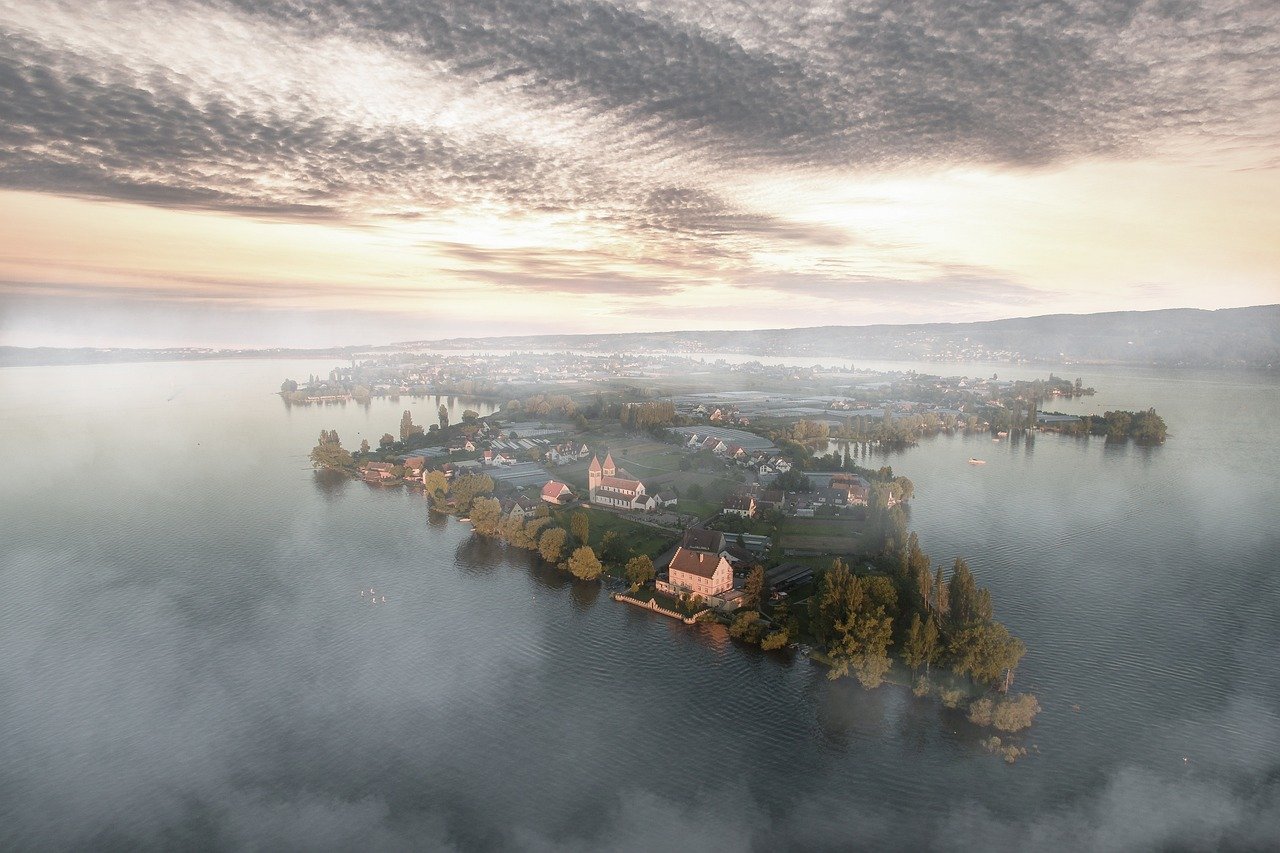

Understanding Mixed-Use Developments in American Islands
Defining Mixed-Use Developments
Mixed-use developments (MUDs) combine residential, commercial, and sometimes industrial spaces into one integrated project. This approach aims to create vibrant communities that promote walking, reduce reliance on cars, and stimulate local economies. Particularly on American islands, MUDs can leverage the unique geographical and cultural characteristics of these locations, leading to innovative designs that enhance community life.
Why American Islands?
American islands, ranging from the bustling tourist destinations of Hawaii and the Florida Keys to the quieter retreats of the Northeast, present opportunities for MUDs to flourish due to their limited space and unique ecosystems. Traditional zoning practices often push towards single-use developments, but on islands, the need for efficient land use makes mixed-use planning more attractive. This trend has been increasingly vital to cater to both residents and tourists, balancing the necessity for housing and commercial activity with sustainable practices.
The Benefits of Mixed-Use Developments on Islands
-
Sustainability
Mixed-use developments can help in reducing the environmental footprint. By fusing residential, commercial, and recreational spaces into a compact area, MUDs lessen the dependency on vehicles. This is particularly essential on islands, where road infrastructure can be limited and environmental conservation is paramount. -
Economic Vitality
Islands rely heavily on tourism and local economies can fluctuate based on seasonal trends. Mixed-use developments create year-round economic activity by attracting both locals and tourists. Residents can benefit from the convenience of having shops, restaurants, and services nearby, while tourism-focused businesses can thrive alongside residential areas. -
Social Connectivity
MUDs foster a sense of community by bringing people together. Shared spaces like parks, plazas, and community centers promote social interaction. This is especially critical on islands, where isolation can be a challenge. A well-designed MUD can help cultivate a lifestyle that values community engagement and connectivity. -
Place-Making
MUDs can transform a place into a vibrant destination. By incorporating local culture, art, and architecture that reflect the island’s heritage, these developments enrich community identity. For example, in places like Nantucket or Key West, MUDs can include historic buildings that remind residents and visitors of the area’s past, promoting cultural pride.
Challenges Faced by Mixed-Use Developments
While MUDs provide significant advantages, the complexity of development projects on islands can be daunting. Regulatory hurdles, high construction costs, and community opposition can slow progress.
-
Zoning Regulations
Many islands have strict zoning regulations that dictate land use. Navigating these regulations while proposing a mixed-use development can be challenging. Developers must balance the requirements of various stakeholders, including local governments, preservationists, and community members. -
Environmental Considerations
Given their ecological sensitivity, many islands have stringent environmental regulations intended to protect natural habitats. Developers must ensure that their projects do not disturb local wildlife or ecosystems, requiring thorough research and planning. -
Community Engagement
Community buy-in is crucial for the success of any development, especially in small island communities. Developers need to engage with locals early in the planning process to address resistance and incorporate valuable insights into their designs. Approaching community engagement with transparency and respect can mitigate potential opposition.
Examples of Successful Mixed-Use Developments on American Islands
-
Nantucket, Massachusetts
The development of the Nantucket Island Resort, which combines residential spaces with hotels, restaurants, and retail shops, serves as a prime example of how MUDs can thrive on islands. The project uses sustainable materials and preserves local architectural styles while delivering modern amenities. -
Key West, Florida
The redevelopment of the Historic Seaport area in Key West exemplifies successful mixed-use space that integrates homes, shops, and dining options along waterfront promenades. The blend of vibrant culture and lively commerce drives both commerce and tourism simultaneously. -
Maui, Hawaii
The community design of Wailea in Maui showcases a sophisticated MUD that includes high-end resorts, residential units, and retail shops. The planners paid careful attention to landscaping and environmental protection to preserve Hawaii’s natural beauty while promoting local business. -
Vashon Island, Washington
Vashon’s “Town Center” development integrates local shops, parks, and housing, showcasing community-focused planning. Residents benefit from easy access to services while enjoying a unique blend of local art and culture.
Future Trends in Mixed-Use Developments
The future of mixed-use developments on American islands will likely see an increased focus on sustainability practices and smart technology. As climate change impacts intensify, MUDs will need to adapt with green roofs, solar energy, and water conservation methods. In addition, the integration of technology through smart apps for community interaction or easy access to services will become the norm.
Conclusion
Mixed-use developments represent a forward-thinking approach to urban planning, particularly on limited land such as American islands. By combining diverse living, working, and recreational areas, MUDs create sustainable, vibrant communities that embrace both locals and visitors while preserving the unique characteristics of these islands. With the right planning and creative vision, these developments will continue to enhance island life for generations to come.
