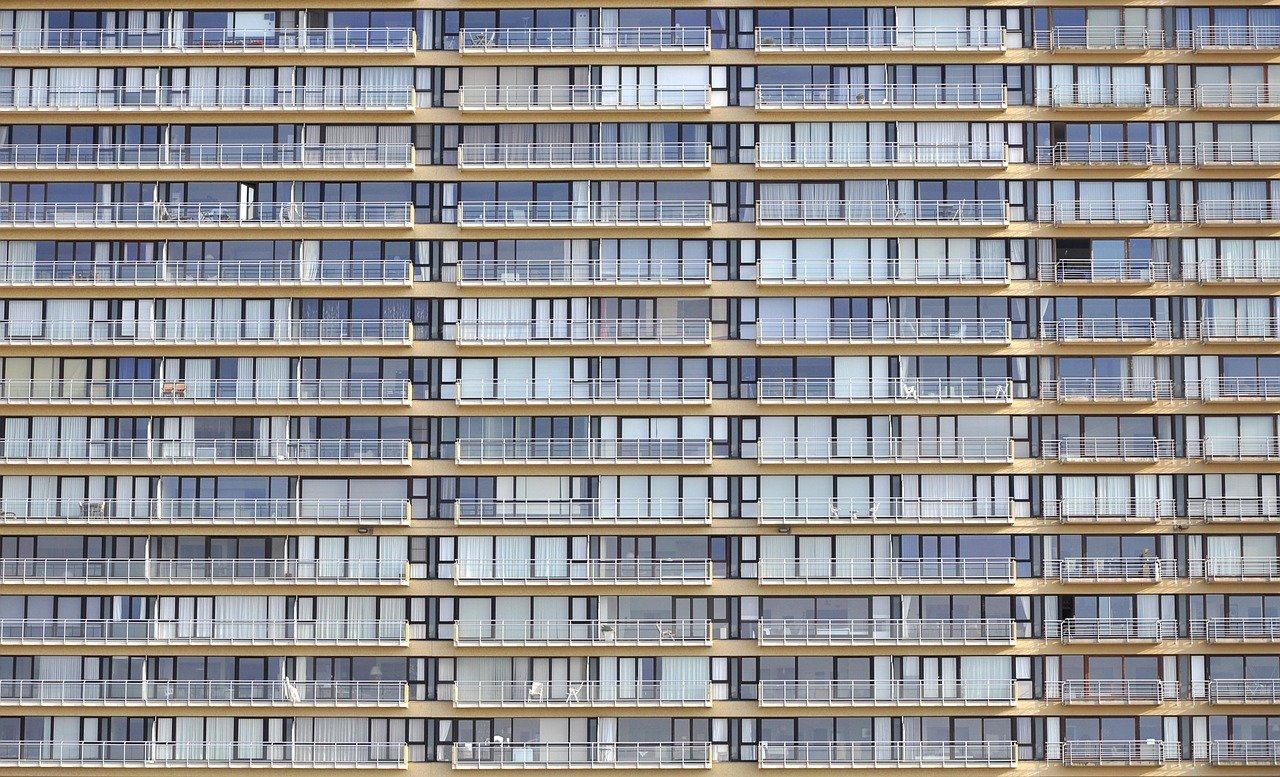

Adaptive reuse is a transformative architectural strategy that breathes new life into old buildings, converting them into functional spaces, such as modern apartments, while retaining their historical charm and significance. As cities face an increasing demand for housing and sustainable development practices, adaptive reuse has emerged as a prominent solution in urban centers. This process not only preserves cultural heritage but also optimizes land use by revitalizing existing structures, reducing the need for new construction.
Historically, many urban centers have rich architectural landscapes marked by warehouses, factories, schools, and other structures that may have outlived their original purpose. The evolution of these spaces into contemporary living environments provides numerous advantages. One key benefit is sustainability. Adaptive reuse minimizes construction waste and environmental impact. By retrofitting existing buildings instead of demolishing them, developers save on materials and energy, which is particularly crucial in an era of heightened environmental awareness.
Cities like New York, San Francisco, and Chicago stand as prime examples of adaptive reuse in action, where warehouses have been transformed into chic lofts, and old school buildings have become trendy apartment complexes. In New York City, the conversion of the historic High Line, an obsolete elevated freight rail line, into a public park illustrates the potential for adaptive reuse in not only creating housing but also enhancing urban living quality. This project has catalyzed nearby developments, leading to new residential options that prioritize both aesthetics and functionality.
Economically, adaptive reuse can be a more cost-effective approach to development. The upfront costs for renovation are often lower than new construction when accounting for land acquisition, site preparation, and building permits. Historical buildings often qualify for tax incentives and grants, further reducing financial barriers for developers. Many cities have recognized the value in such strategies and actively promote them through policies that encourage investment in heritage properties.
Urban centers are also challenged by a lack of available land for new construction, driving the need for innovative solutions like adaptive reuse. The process allows for denser populations without the detrimental sprawl associated with new developments on greenfields. By developing within the existing urban fabric, cities maintain their cultural identity while accommodating growth. Notably, high-demand locations are increasingly favoring complex, multifaceted neighborhoods that integrate living spaces with commercial and recreational areas, often facilitated by the adaptive reuse of older buildings.
The design aspect of adaptive reuse cannot be overlooked. Each transformation represents a unique creative challenge for architects and designers who strive to modernize spaces while respecting their historical context. Features such as exposed brick walls, original hardwood floors, and vintage fixtures often become focal points in the design of new apartments. This aesthetic appeal attracts renters interested in character as much as convenience.
However, adaptive reuse is not without its challenges. Developers confront issues like structural integrity, building codes, and zoning regulations that can complicate the retrofitting process. Retrofitting must meet modern safety standards, requiring significant investment in upgrades such as electrical systems, plumbing, and insulation. This necessity can deter potential projects but is often outweighed by the benefits of preserving historical context and meeting urban housing needs.
Community engagement plays a critical role in successful adaptive reuse projects. In many jurisdictions, stakeholder input can help identify the types of spaces that would benefit from transformation, ensuring that developments align with community desires. Workshops, public meetings, and surveys help gather insights from residents, ensuring that the new apartments fit within the community’s overall vision. This participatory approach fosters goodwill and support for projects, which can ease the approval process.
Moreover, adaptive reuse often contributes to the surrounding neighborhood’s revitalization. As new residents move into redeveloped spaces, local businesses typically experience a boost in clientele, leading to economic growth in the area. The combination of trendy apartments and local shops can create vibrant hubs of activity that enhance the quality of urban life. Successful projects frequently set a precedent, inspiring future developments that continue to value the past while investing in the future.
Several notable adaptive reuse projects have captured attention across the globe. For instance, the Tate Modern in London, which was transformed from a former power station into a world-class museum and, in that, catalyzed the renewal of the surrounding area. Similarly, the Ponce City Market in Atlanta, once a dilapidated Sears warehouse, has become a bustling mixed-use destination featuring apartments, retail, and dining options, attracting both residents and tourists.
As urban populations grow, adaptive reuse will likely remain at the forefront of urban development strategies. Developers and architects increasingly recognize old structures not just as relics of the past but as valuable resources waiting to be transformed. This shift in perspective may reshape the very fabric of urban living by marrying old-world charm with modern needs.
A forward-thinking approach to adaptive reuse also includes innovations in technology and design that address sustainability and energy efficiency. Green building practices, such as the incorporation of renewable energy sources, green roofs, and efficient HVAC systems, can be integrated into these redevelopments, setting a new standard for environmentally responsible living spaces.
Regulatory frameworks are also evolving, with many cities implementing policies to streamline the adaptive reuse process. By simplifying zoning laws and offering various incentives, municipalities can encourage developers to consider historic properties, ultimately leading to a more sustainable and vibrant urban environment.
In conclusion, the trend of adaptive reuse not only reflects an innovative architectural practice but also embodies a growing recognition of the value of historical preservation amidst modern urban growth. As old buildings are transformed into new apartments, they enhance the narrative of urban centers, creating spaces that are rich in character and functionality. With the continuous focus on sustainable development models, adaptive reuse will remain a cornerstone of urban planning and architectural endeavors for years to come.
