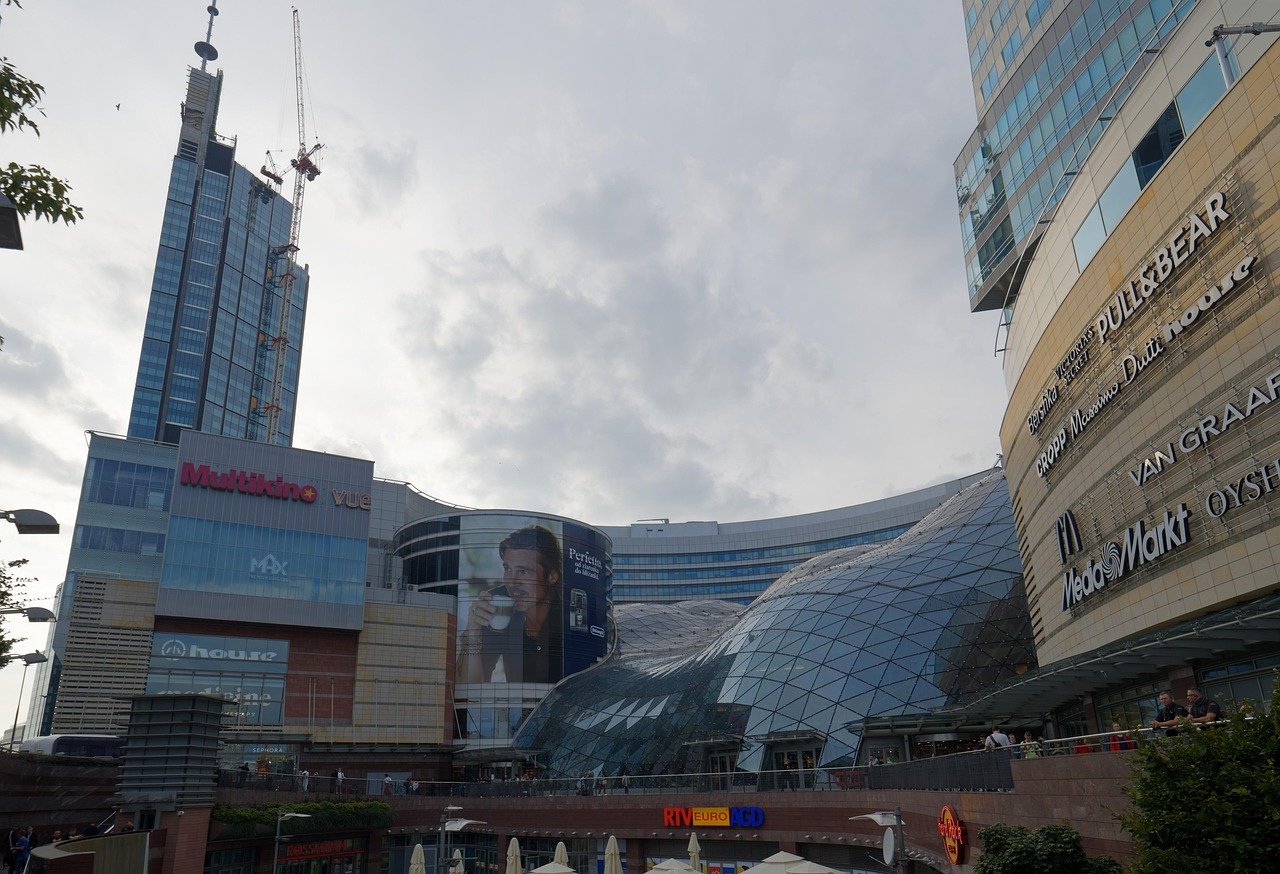

Understanding Adaptive Reuse of Buildings
Adaptive reuse is the process of repurposing older buildings for new uses while retaining their historic features. This approach has gained traction in recent years, especially as urban areas strive for sustainability and cost-effectiveness. Unlike traditional demolition and new construction, adaptive reuse emphasizes the preservation of existing structures, minimizing material waste, and reducing energy consumption.
The Rise of Adaptive Reuse in Office Properties
The transition toward adaptive reuse has been particularly noticeable in the office property sector. The pandemic accelerated shifts in how we think about workspaces, leading to a reduced demand for traditional office environments. Buildings once designated solely for office use are being transformed into mixed-use developments, residential units, or community spaces.
Economic Benefits
One of the most compelling advantages of adaptive reuse is its economic viability. Renovating existing buildings is often more cost-effective than ground-up construction due to reduced labor and material costs. Additionally, many cities offer incentives such as tax breaks and grants for adaptive reuse projects, further reducing financial barriers.
Moreover, repurposing buildings can lead to increased property values as communities become more appealing through innovative developments. Areas that embrace adaptive reuse foster a unique identity and character, drawing in businesses and residents alike.
Environmental Sustainability
From an environmental standpoint, adaptive reuse stands as an eco-friendly alternative to traditional construction. According to the U.S. Environmental Protection Agency (EPA), construction and demolition waste accounts for a significant portion of total waste. By refurbishing existing structures, adaptive reuse minimizes landfill contributions and conserves resources.
Additionally, older buildings often possess architectural features and materials that are more durable than modern constructions. For example, brick, stone, and timber have a longevity that new materials may lack. Converting these structures into new office spaces allows for sustainable investment with reduced carbon footprints.
Preserving Heritage and Culture
The process of adaptive reuse enables cities to preserve their architectural heritage and cultural identities. Many historic buildings tell the story of a community, representing its evolution over time. By repurposing these spaces, cities maintain a link to their past while adapting to modern needs.
Adaptive reuse projects often undergo restorations that emphasize the building’s historical significance, thereby enriching the narrative of the locality. This dynamic can attract tourism, create jobs, and encourage community involvement, reinforcing a stronger social fabric.
Types of Adaptive Reuse Projects
Adaptive reuse can take various forms, catering to different needs and ambitions.
-
Industrial to Office Conversion: Old factories and warehouses are frequently transformed into chic office spaces. The expansive interiors and unique architectural features offer an appealing atmosphere for creative industries. For instance, the historic Turnpike Industrial Center has been repurposed to host tech startups, combining nostalgia with innovation.
-
Mixed-Use Developments: Many urban planners are focusing on mixed-use developments that incorporate residential units, retail, and office spaces. This creates vibrant communities where people can live, work, and play. An exemplary case is the revitalization project of the former Central Market in Los Angeles, now a hub of offices, restaurants, and shops.
-
Cultural Institutions: Many adaptive reuse projects focus on the arts. Historic theaters or schools are transformed into cultural centers or galleries, enriching community life while preserving architectural treasures. The Tate Modern in London, a former power station, stands as a premier example of how an aged industrial site can morph into a world-class art museum.
The Legal Framework
While adaptive reuse presents numerous advantages, navigating the legal landscape can be complex. Zoning regulations, building codes, and historical preservation laws can pose challenges. However, municipalities increasingly focus on streamlining these regulations to incentivize adaptive reuse as a viable alternative to new developments.
Establishing a good relationship with local government agencies can facilitate approvals and reduce hold-ups. Some communities have even created adaptive reuse guidelines, identifying specific types of buildings and permissible alterations.
Technological Integration
Another trend within adaptive reuse is the integration of technology. As buildings are repurposed, there’s a unique opportunity to incorporate modern technology that enhances energy efficiency, wellbeing, and productivity. Advanced HVAC systems, smart lighting, and high-speed connectivity can be seamlessly integrated into renovated spaces, creating contemporary work environments that meet the demands of today’s businesses.
Remote work trends also influence this integration. Office spaces designed for flexibility can meet varying needs, accommodating smaller teams that gather for collaboration rather than fixed desk setups.
Community Engagement
Adaptive reuse projects can significantly benefit from community involvement. Engaging stakeholders—from neighborhoods to local businesses—gives a voice to those who will be affected by the development. Involving the community in the planning stages not only helps to identify needs and goals but also fosters a sense of ownership and pride.
Additionally, outreach programs and participatory design workshops can yield feedback that informs the project development process, ultimately leading to outcomes that better serve the community.
Case Studies of Successful Adaptive Reuse in Office Properties
Several notable examples highlight the potential of adaptive reuse in reshaping office properties:
-
The High Line, New York City: Once a derelict railway line, this elevated park has transformed into a green urban space while rejuvenating surrounding neighborhoods. It has sparked a wave of adaptive reuse projects, turning warehouses into chic offices and residences.
-
The Gas Works, Seattle: This former gasification plant has been reinvented as a public park and gathering space. Now a vital element of the community, it retains historical significance while providing areas for community events and education.
-
The American Brewery, Baltimore: A former brewery turned office and community space, highlighting innovative design while respecting local history. It’s a perfect example of how adaptive reuse can create a vibrant community hub.
Future Outlook and Challenges
As cities grow and evolve, the future of adaptive reuse appears promising. However, challenges remain. Market fluctuations, rising construction costs, and changes in demand can impact the viability of such projects. The need for flexible, adaptive strategies is vital to overcome these obstacles.
Funding opportunities, public-private partnerships, and creative financing models can help bridge budget gaps. By prioritizing adaptive reuse, cities can simultaneously meet modern demands and protect their historical landscapes.
Conclusion
Adaptive reuse of buildings not only provides an innovative solution to evolving office property needs but also champions sustainability, heritage preservation, and community involvement. As urban centers continue to grapple with the implications of remote work and changing demographics, adaptive reuse stands as a testament to the resilience and adaptability of city planning. With combined efforts in technology, community engagement, and legal frameworks, adaptive reuse is poised to revolutionize the way we perceive and engage with office spaces.
