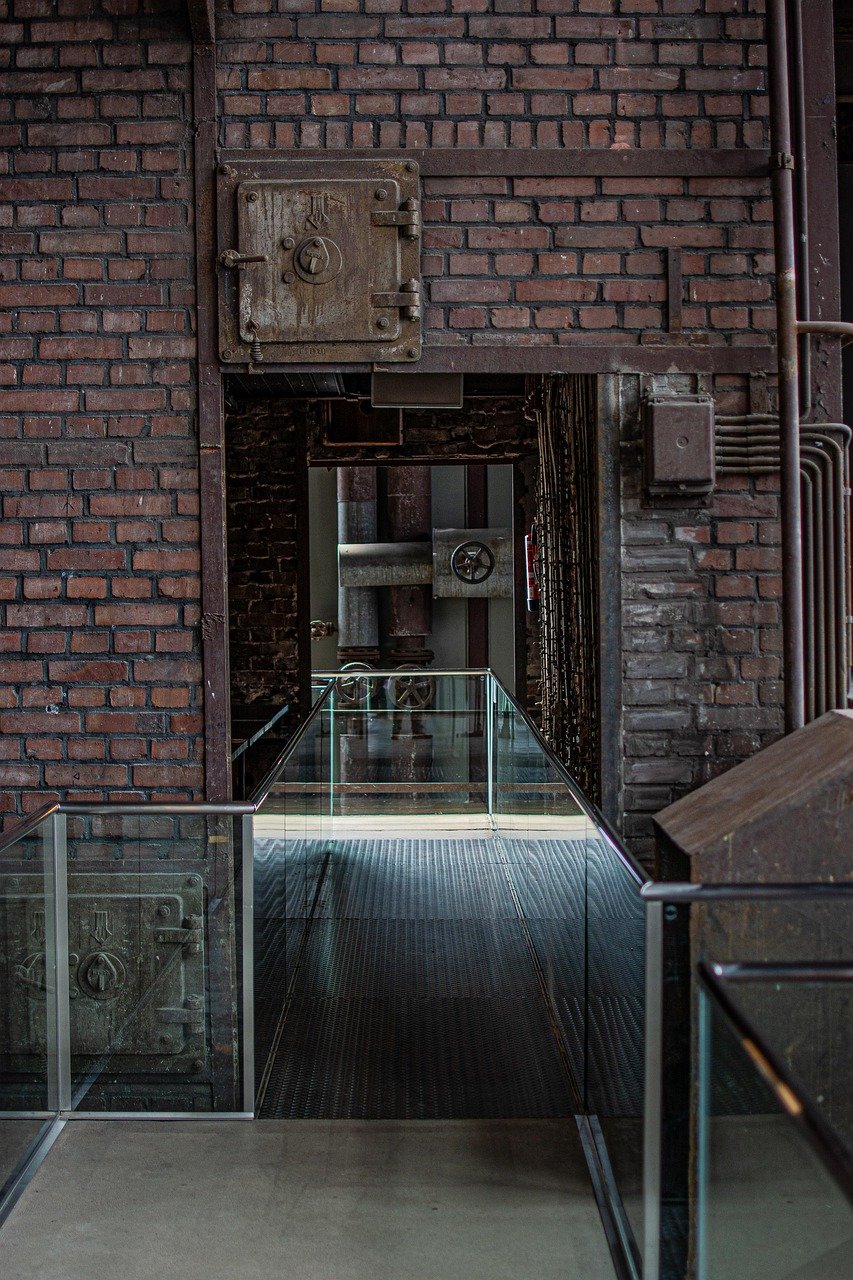

Understanding Adaptive Reuse of Warehouses
Adaptive reuse refers to the process of repurposing old buildings for new uses while retaining their historical significance. In urban environments, warehouses often represent underutilized spaces ripe for transformation into vibrant community hubs, commercial centers, or residential units. The adaptive reuse of warehouses holds significant potential for sustainable urban development.
Historical Context of Warehousing
Warehouses emerged in response to the Industrial Revolution, serving as storage spaces for goods and products. As shipping methods evolved, many warehouses became obsolete due to changes in logistics and supply chains. However, these structures are typically characterized by their robust architecture and prime locations, making them ideal candidates for adaptive reuse.
Benefits of Adaptive Reuse
-
Sustainability: Retrofitting existing buildings conserves resources and reduces waste associated with demolition. Adaptive reuse significantly lowers the carbon footprint of construction compared to building anew.
-
Preservation of Cultural Heritage: Repurposing warehouses helps preserve historical architecture, maintaining the cultural identity of urban neighborhoods. This enhances community connections to their past.
-
Economic Revitalization: Transforming obsolete warehouses can stimulate local economies by creating jobs, attracting businesses, and increasing property values. This fosters investment in surrounding areas.
-
Efficiency and Innovation: Reusing existing structures often embraces more innovative design trends, such as mixed-use spaces that blend residential, commercial, and civic uses. This diversity promotes vibrant urban environments.
Popular Warehouse Transformations
-
Loft Conversion: One of the most common forms of adaptive reuse is the conversion of warehouses into loft apartments or condos. The spacious interiors, large windows, and industrial aesthetics appeal to urban dwellers seeking unique living environments.
-
Creative Office Spaces: Many companies are drawn to the idea of setting up offices within repurposed warehouses. The high ceilings, open floor plans, and original features offer an inspiring setting that fosters creativity and collaboration.
-
Retail and Commercial Use: Warehouses can be transformed into marketplaces, cafes, and boutique stores, attracting shoppers and enhancing local commerce. These spaces often provide an authentic atmosphere that consumers appreciate.
-
Cultural Spaces: Many cities are transforming warehouses into art galleries, performance venues, and community centers. These cultural spaces not only enrich the local arts scene but also encourage community engagement.
Challenges of Adaptive Reuse
-
Structural Limitations: While many warehouses are well-built, they often require significant renovations to meet modern building codes and standards. Engineers must carefully assess structural integrity before commencing work.
-
Zoning Regulations: The adaptive reuse of warehouses may face zoning challenges. Local governments often have strict regulations regarding land use, necessitating changes in zoning ordinances to accommodate new uses.
-
Financial Viability: The financial feasibility of adaptive reuse projects can be a concern. Initial renovation costs can be high, and securing financing might be more challenging than for new construction.
-
Balancing Modernity with Authenticity: Developers must strike a balance between preserving historical features and incorporating modern amenities. Sensitivity to the structure’s character while appealing to contemporary demands is crucial.
Successful Case Studies
-
The High Line, New York City: Originally an elevated railway, the High Line has been transformed into a public park, showcasing the potential of adaptive reuse in urban environments. This linear park has boosted nearby property values and attracted tourism.
-
The Tate Modern, London: Once a power station, the Tate Modern serves as one of the world’s most famous art museums. Its conversion exemplifies how industrial spaces can be repurposed for cultural enrichment without losing their historical context.
-
Warehouse District, Minneapolis: A once-neglected area filled with vacant warehouses, the Warehouse District has become a thriving hub of offices, restaurants, and residences. The transformation has redefined the urban landscape and drawn a diverse population.
Design Considerations
When undertaking an adaptive reuse project, several design factors should be taken into consideration:
-
Preservation of Character: Retaining original elements, such as brick walls, beams, and flooring, contributes to the authenticity of the space and its appeal to prospective users.
-
Sustainability: Implementing energy-efficient systems, such as renewable energy sources and sustainable materials, reduces the environmental impact of the renovation.
-
Accessibility: It is vital to ensure that the transformed space is accessible to all individuals, including those with disabilities, by incorporating universal design principles.
-
Community Input: Engaging with local communities throughout the design process helps ensure that the new development meets the needs and desires of the people it serves. Community feedback can guide design choices and foster a sense of ownership.
Conclusion
The adaptive reuse of warehouses offers a unique opportunity to transform urban spaces into dynamic environments that celebrate both history and modern living. With sustainability, economic revitalization, and community engagement at its core, adaptive reuse represents a forward-thinking approach to urban development. As cities continue to evolve, the transformation of warehouses will undoubtedly play a crucial role in shaping the urban landscape for future generations.
