
Understanding Sustainable Real Estate in Hawaii
Sustainable real estate refers to the practice of constructing, renovating, and managing properties in a manner that minimizes environmental impact while maximizing efficiency and health benefits. This practice is especially vital in Hawaii, where the unique ecosystems and fragile environment face significant challenges from climate change, development, and tourism.
The Importance of Sustainability in Hawaii
Hawaii’s natural beauty is one of its greatest assets, attracting millions of visitors every year. However, this influx of tourism can lead to overdevelopment, resource depletion, and increased waste. Sustainable real estate practices help mitigate these impacts by promoting eco-friendly construction techniques, reducing energy consumption, and protecting local ecosystems.
Key Principles of Sustainable Development
-
Resource Efficiency: Utilizing sustainable materials such as bamboo, recycled metal, and reclaimed wood is crucial in minimizing the carbon footprint of new constructions.
-
Energy Efficiency: Buildings should be designed to optimize natural light and airflow, reducing reliance on artificial lighting and air conditioning systems. Solar panels, which harness Hawaii’s abundant sunlight, can drastically lower energy costs.
-
Water Conservation: Implementing rainwater harvesting systems, drought-resistant landscaping, and low-flow fixtures can vastly reduce water consumption in both residential and commercial properties.
-
Waste Reduction: Diversion of waste through recycling during the construction process and using modular construction can help lower the amount of waste sent to landfills.
-
Community Engagement: Sustainable real estate development often involves the community in decision-making processes, ensuring that proposed projects meet local needs and preserve cultural heritage.
Eco-Friendly Building Materials
In sustainable construction, the choice of materials is paramount. Local materials such as volcanic rock, bamboo, and reclaimed wood not only reduce transportation emissions but also help integrate buildings into their natural surroundings. Additionally, manufacturers are now focusing on sustainable options such as low-VOC (volatile organic compounds) paints and environmentally-friendly insulation products to improve indoor air quality.
Renewable Energy Solutions
Hawaii is a leader in renewable energy initiatives, aiming to achieve 100% renewable energy in electricity generation by 2045. Key strategies include:
-
Solar Power: Residential solar energy systems can drastically reduce reliance on fossil fuels, with many homeowners experiencing financial savings.
-
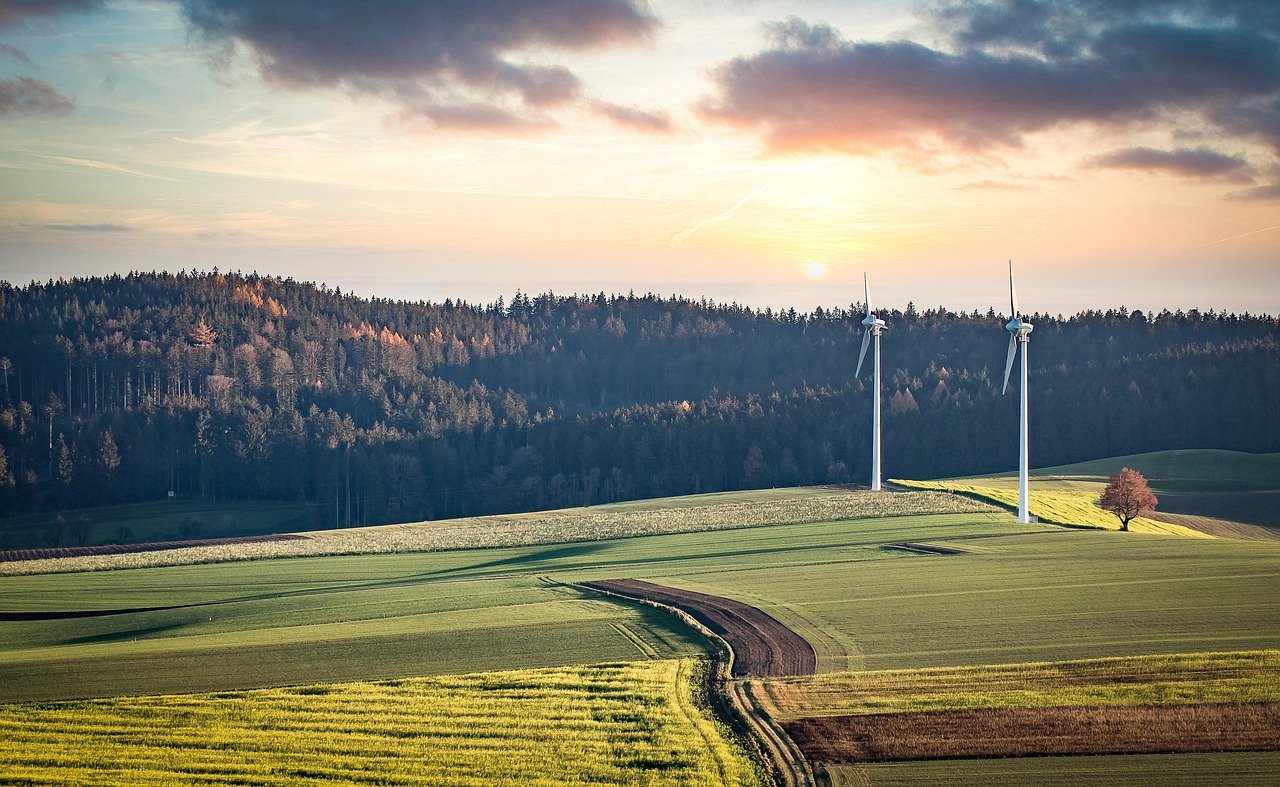
Wind Energy: Wind energy farms across various islands harness trade winds for energy generation, contributing significantly to the state’s energy portfolio.
-
Hydropower: Utilizing Hawaii’s rivers and streams for hydroelectric power also represents a renewable resource, although care must be taken to protect aquatic ecosystems.
Impact on Local Communities
Sustainable real estate development can yield significant benefits for local communities. Projects that embrace sustainability typically promote local job creation in green construction and maintenance sectors. When community stakeholders are involved, projects are more likely to reflect local values and cultural practices.
Moreover, energy-efficient buildings can provide lower utility bills for residents, leading to enhanced economic stability. Additionally, properties that incorporate public spaces, such as parks and gardens, foster community interaction and promote well-being.
Green Certifications and Standards
Several certifications validate sustainable building practices, providing reassurance to buyers and investors and ensuring adherence to environmental standards:
-
LEED (Leadership in Energy and Environmental Design): A globally recognized certification that encompasses various sustainability criteria, including site development, energy efficiency, and materials usage.
-
HERS (Home Energy Rating System): Provides a clear metric for energy efficiency in homes, enabling prospective buyers to understand a home’s energy performance.
-
Green Globes: An alternative to LEED, focusing on sustainable resource management, energy conservation, and indoor environments.
Innovative Architectures and Designs
Architectural innovations play a significant role in sustainable real estate. Passive design strategies, such as strategically placed windows for cross-ventilation, can enhance comfort while reducing energy usage. Green roofs and vertical gardens also add aesthetic value and provide insulation, further promoting energy efficiency.
Contemporary Hawaiian architects are increasingly adopting biophilic design principles, emphasizing the connection between nature and building occupants. By integrating outdoor elements seamlessly into structures, developers are creating spaces that promote health and productivity.
Challenges and Opportunities
Hawaii’s sustainable real estate initiatives face some significant challenges. The high cost of land, local regulations, and the need for extensive infrastructure can complicate development. However, these challenges present opportunities for innovation, such as the development of affordable eco-friendly housing solutions and community-led sustainability initiatives.
Investment in public transportation and bike-friendly infrastructure can support sustainable real estate by reducing traffic congestion and reliance on personal vehicles. Furthermore, educating the public about the benefits of sustainable living can foster a collective commitment to preserving Hawaii’s natural beauty.
The Future of Sustainable Real Estate
With increasing awareness of climate change and environmental degradation, the demand for sustainable real estate will only grow. In Hawaii, developers and investors are innovating and adopting new technologies to create eco-friendly residences and commercial spaces. Future developments may prioritize biodiversity, integrating natural landscapes while enhancing property value.
Moreover, as residents become more environmentally conscious, demand for green certification in homes will rise. The trend towards sustainability is likely to influence regulations, guiding more rigorous standards in construction and property management.
Hawaii’s uniquely beautiful shores present an unparalleled opportunity for sustainable real estate that honors the island’s culture and natural environment. By investing in sustainable development, Hawaii can protect its legacy for future generations while enhancing the quality of life for its residents.
In this ongoing quest for sustainability, fostering collaboration between developers, residents, and local governments will be key to realizing a greener future on Hawaii’s picturesque shores.
