
Celebrating Successful Eco-Projects on American Islands
Introduction to Eco-Projects on Islands
American islands offer a unique environment for ecological conservation and sustainable practices. The delicate ecosystems on these islands can serve as both a canvas for ecological innovation and a focus for community involvement. Several projects across various islands have made significant strides toward sustainability, while also addressing broader environmental challenges.
1. The Hawaiian Islands: The Aloha+ Challenge
Hawaii’s Aloha+ Challenge epitomizes a successful eco-project that promotes sustainability across its many islands. Launched in 2014, this initiative unites state agencies, organizations, and businesses to commit to sustainability goals. The main objectives include refreshing renewable energy systems, reducing waste, advancing local food systems, and increasing resilience to climate change.
Key successes include increasing the state’s renewable energy use range, where 30% of Hawaii’s energy now comes from renewable sources. Through community engagement, schools now incorporate sustainability education into their curriculum, fostering eco-consciousness in younger generations.
2. San Juan Islands: Orcas Island’s Green Building Practices
Orcas Island in Washington State showcases a robust commitment to sustainable architecture and eco-friendly practices. The San Juan Islands Conservation District spearheaded initiatives promoting green building practices, such as sustainable timber use, rainwater harvesting systems, and ecologically friendly building materials.
One exemplary project is the Orcas Island Community Foundation building. Built with reclaimed materials and solar panels, this structure not only serves as a hub for community gatherings but also exemplifies how eco-friendly designs can integrate seamlessly into local architecture, inspiring other construction projects in the region.
3. Martha’s Vineyard: The Island’s Wind Energy Initiative
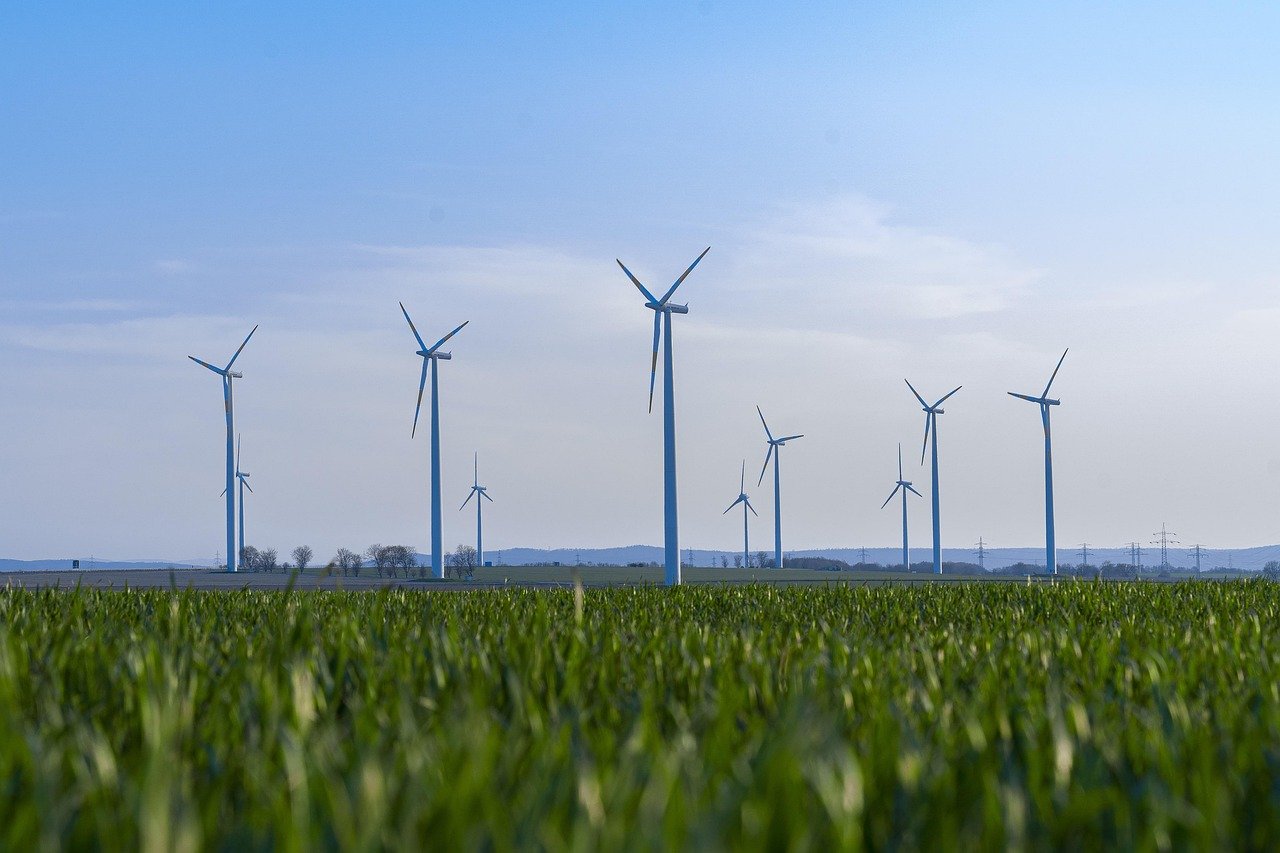
Martha’s Vineyard has embraced wind energy to address its energy-use challenges while minimizing environmental impact. The Martha’s Vineyard Wind Energy Initiative invested in installing several wind turbines throughout the island. These turbines contribute significantly to the island’s energy matrix, with over 30% of the island’s energy needs being met through wind energy.
In addition to lowering dependency on fossil fuels, the initiative has created educational programs highlighting the importance of renewable energy and sparking conversations about energy conservation within the community.
4. Catalina Island: The Conservation Efforts of the Catalina Island Conservancy
The Catalina Island Conservancy steers various conservation projects aimed at protecting the island’s unique ecosystems. Since its establishment in 1972, the Conservancy has focused on native vegetation restoration, invasive species control, and wildlife conservation.
One remarkable achievement is the successful reintroduction of the island fox, an endemic species nearly driven to extinction due to habitat loss and disease. Thanks to focused conservation efforts, the island fox population has rebounded, a success story that bolsters both biodiversity and tourism.
5. Block Island: Offshore Wind Farm Developments
Block Island, Rhode Island, is home to the United States’ first offshore wind farm, the Block Island Wind Farm. Launched in 2016, this project marked a pivotal shift in renewable energy production in the United States. The wind farm lowers energy costs for residents while showcasing the potential of wind energy to reduce greenhouse gas emissions significantly.
Through its innovative approach to energy production, the wind farm has not only provided a sustainable energy source but has also opened doors for educational opportunities regarding climate change and renewable energy use.
6. Virgin Islands: Coral Restoration Programs
The U.S. Virgin Islands have faced significant challenges related to coral reef degradation. In response, several organizations, including the Coral Conservation Society, have initiated coral restoration programs aimed at revitalizing damaged reef ecosystems.
Successful coral nurseries and transplantation projects have led to increased coral health and biodiversity. These restoration efforts have provided vital habitats for marine species, thereby supporting local fishing economies and enhancing snorkeling tourism, which is crucial for the islands’ economy.
7. Florida Keys: The Comprehensive Land and Water Management Program
The Florida Keys boast a multifaceted approach to ecological sustainability through the Comprehensive Land and Water Management Program. This initiative emphasizes the importance of preserving the unique ecosystems found in the Keys, particularly its coral reefs and mangroves.
The program facilitates projects that restore natural habitats while controlling pollution runoff, thereby enhancing water quality and ecosystem health. Partnerships with local stakeholders ensure that tourism continues while maintaining the integrity of the natural environment.
8. The Galveston Bay Foundation: Coastal Restoration
The Galveston Bay Foundation, while primarily situated on the mainland, encompasses island projects that strive for coastal restoration through community-driven initiatives. Their extensive marsh restoration efforts contribute to the overall health of Galveston Bay and its surrounding islands.
By engaging community volunteers in restoration activities, the foundation promotes awareness of the importance of coastal ecosystems and enhances resilience against flooding and erosion. Local schools often partner to provide students with hands-on experience in ecology and stewardship.
9. Bioluminescent Bay: Puerto Rico’s Fajardo Eco-Adventure
Fajardo, Puerto Rico, presents an extraordinary case of eco-tourism blended with conservation efforts through its famous Bioluminescent Bay. Protection of this natural wonder is essential for maintaining its unique biodiversity and attracting visitors.
The Fajardo Bay initiative focuses on educating visitors about the fragile ecosystems and the importance of responsible tourism. New regulations promote low-impact activities, ensuring that tourism success does not come at the expense of the bay’s health. Local businesses have adopted eco-friendly practices, further safeguarding the area while benefiting the economy.
10. Common Lessons from Successful Eco-Projects
Successful eco-projects across American islands share several common themes that can resonate in other ecological initiatives:
- Community Engagement: Active participation and partnership with local communities are paramount in fostering a sense of ownership and responsibility towards sustainable practices.
- Education and Awareness: Educational programs centered on sustainability instill eco-conscious values in younger generations, ultimately shaping future practices.
- Multi-Sector Collaboration: Combining efforts from government entities, non-profits, and businesses reinforces resources for impactful outcomes.
- Innovative Practices: Employing integrative solutions, such as renewable energy, conservation techniques, and eco-friendly designs, leads to innovative approaches to sustainability.
American islands provide a fertile ground for ecological projects that champion sustainability, biodiversity, and community resilience. Through collective efforts and innovative ideas, these islands not only enhance their environments but also thrive economically, setting a remarkable precedent for sustainable living.
