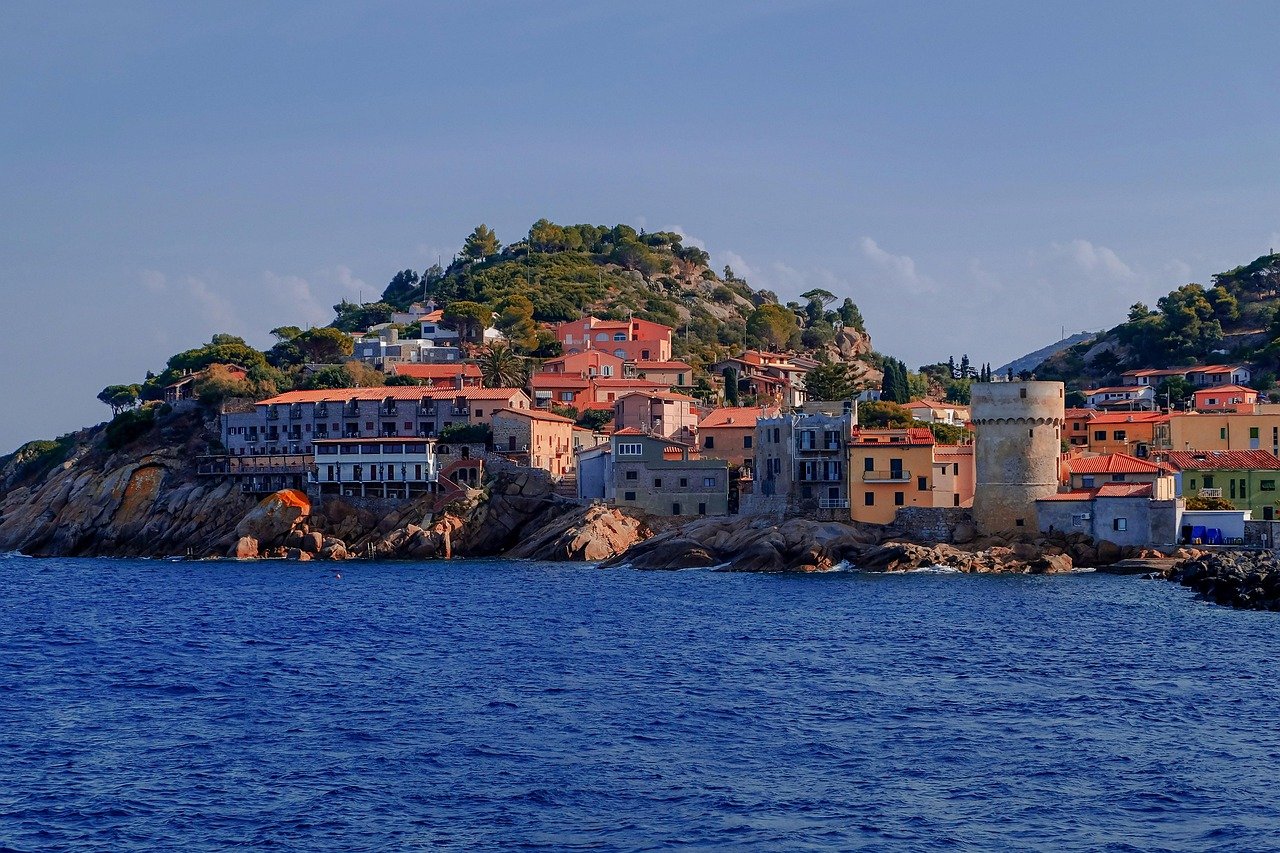

Conservation and Luxury: The New Paradigm of Island Resorts
The concept of luxury has evolved significantly over the past few decades, particularly in the realm of travel and hospitality. As environmental concerns continue to mount, luxury island resorts are increasingly embracing sustainable practices that prioritize conservation while delivering high-end experiences. This paradigm shift is reshaping the travel landscape, appealing to ecologically-minded travelers who seek luxurious experiences without compromising environmental integrity.
The Rise of Eco-Conscious Travel
Consumer behavior has noticeably shifted, with a growing number of travelers now seeking eco-friendly options. Research indicates that 73% of global travelers are more likely to book accommodations that are environmentally friendly. This growing awareness has led to the rise of eco-conscious travel, where consumers prioritize sustainability in their travel decisions. Island resorts are responding to this demand, positioning themselves not just as leisure destinations but as custodians of the natural environment they occupy.
Sustainable Architecture and Design
Resorts are rethinking architectural design to incorporate sustainability principles. Many luxury island resorts are opting for structures that minimize their environmental footprint. This can involve using locally sourced materials, employing energy-efficient technologies, and incorporating sustainable landscaping practices. Notably, resorts like the Four Seasons Resort Maldives at Kuda Huraa utilize indigenous materials and traditional building methods that harmonize with the natural environment, reducing both ecological impact and operational costs.
Moreover, the concept of biophilic design is gaining traction in luxury accommodations. This approach seeks to enhance the relationship between residents and nature, promoting well-being and tranquility through natural elements. Resort architects and designers now frequently integrate natural light, ventilation, and outdoor spaces into suite designs, creating a seamless transition between luxury living and the surrounding landscape.
Biodiversity Conservation Initiatives
Island resorts are recognizing their critical role in the preservation of biodiversity. In regions where unique ecosystems are threatened, luxury resorts often create conservation programs focused on protecting local flora and fauna. For instance, the Soneva Fushi Resort in the Maldives has developed programs aimed at rehabilitating coral reefs and protecting endangered species.
Resorts are also engaging guests directly in these initiatives. Activities such as beach clean-ups, wildlife monitoring, and coral planting allow travelers to contribute positively to the environment while enjoying luxury amenities. Interactive programs enhance guest experiences while fostering a deeper appreciation for the ecosystems surrounding them.
Sustainable Food Practices
Another area where luxury and conservation intersect is in dining. High-end resorts are increasingly adopting farm-to-table practices, sourcing ingredients from local and organic producers. This not only supports local economies but also significantly reduces the carbon footprint associated with food transport.
For instance, Fogo Island Inn in Canada has embraced sustainable fishing and farming practices, encouraging chefs to incorporate seasonal, locally produced ingredients into their menus. This culinary approach not only showcases the unique flavors of the region but also immerses guests in the local culture, creating memorable dining experiences that are conscientious and environmentally responsible.
Water and Energy Conservation
Luxury resorts on islands are also pioneering sustainable water and energy practices. Many are implementing advanced water conservation technologies, such as rainwater harvesting systems and greywater recycling, ensuring that water resources are used efficiently. The luxurious Amanpulo Resort in the Philippines has established a water purification plant that provides fresh water sustainably, showcasing how luxury can indeed go hand in hand with responsible resource management.
On the energy front, many island resorts are investing in renewable energy sources to power their operations. Solar panels, wind turbines, and energy-efficient systems are becoming integral parts of resort infrastructure. For example, some resorts in the Caribbean utilize solar energy to power suites while also providing electric transportation options, such as solar-powered buggies for guests to explore the island.
Community Engagement and Social Responsibility
Sustainable luxury is not solely about preserving the environment; it also encompasses social equity and community engagement. High-end resorts are increasingly recognizing their responsibility towards local communities, often collaborating with them to ensure that tourism benefits all stakeholders involved.
The Lapa Rios Lodge in Costa Rica exemplifies this trend, as it employs local staff, supports local artisans, and invests in community programs. Such initiatives create jobs and improve the standard of living for local residents while enriching the guest experience through authentic cultural interactions. By promoting local culture and values, resorts contribute to the preservation of heritage and traditions that might otherwise be forgotten in the face of commercialization.
Technological Innovations in Sustainability
Technology is playing a pivotal role in enabling resorts to adopt sustainable practices effectively. Smart technologies are being integrated into resort management systems, allowing for optimized energy use, waste reduction, and enhanced guest experiences.
Additionally, innovations like carbon footprint calculators for guests are gaining popularity, offering insights into each visitor’s environmental impact during their stay. These tools empower travelers to make more informed decisions about their activities, reinforcing the commitment both guests and resorts have to sustainability.
Experiencing Luxury with a Conscience
Traveling to luxury resorts that embrace conservation doesn’t mean compromising on comfort or indulgence. In fact, many of these places offer unique experiences that elevate the concept of luxury beyond mere opulence. Guests can enjoy eco-safaris, guided nature walks, underwater excursions, and wellness retreats that integrate local healing traditions.
Moreover, luxurious amenities often come accompanied with educational experiences that deepen guests’ understanding of the environment. From wildlife preservation discussions with marine biologists to immersing in local traditions through workshops, the integrated approach to luxury and conservation enriches the travel experience.
Future Trends in Sustainable Luxury Resorts
As the trend of sustainable luxury continues to grow, the future of island resorts looks promising. Moving forward, we can expect to see increased emphasis on regenerative tourism, where resorts do more than minimize their impact—they actively contribute to environmental recovery and social justice.
Moreover, advancements in technology will likely lead to even more innovative practices in energy management, guest interaction, and resource conservation. The fusion of digital advancements with sustainability will create a new level of luxury comfort that is both technologically savvy and environmentally responsible.
Commitment to a Sustainable Future
Island resorts are at the forefront of the sustainability movement in the hospitality industry. By marrying luxury with conservation, they are setting new standards for responsible travel experiences. As more travelers seek out destinations that align with their values, the call for resorts to adopt sustainable practices will only intensify.
The new paradigm of island resorts is not just about providing opulent experiences; it is about creating a legacy of conservation, community, and sustainability that will preserve these paradises for generations to come. As luxury and conservation continue to intersect, the travel industry will witness a transformation that ensures both enjoyment and stewardship of the breathtaking environments that beckon us to explore.
