
Discovering Eco-Friendly Trends in Island Property Development
Understanding Eco-Friendly Trends in Island Property Development
Island property development has witnessed a transformative shift in recent years, driven primarily by the increasing awareness of environmental sustainability. As more prospective buyers and developers prioritize eco-conscious choices, island communities are evolving into showcases of innovative, sustainable design. This article explores key eco-friendly trends shaping property development in island environments.
1. Sustainable Building Materials
One of the most significant trends in eco-friendly island property development is the use of sustainable building materials. Architects and developers are increasingly opting for materials sourced locally, reducing transportation emissions and supporting local economies. Bamboo, reclaimed wood, and recycled steel are popular choices due to their lower environmental impact.
Innovative materials, such as hempcrete and rammed earth, are gaining traction due to their energy-efficient properties. These materials not only have a reduced carbon footprint but also contribute to healthier indoor air quality, which is crucial for island communities reliant on natural ventilation.
2. Energy Efficiency and Renewable Energy
Energy efficiency is another pivotal aspect of sustainable island development. New properties often incorporate advanced building practices, such as passive solar design, to minimize energy consumption. Large overhangs, strategically placed windows, and thermal mass materials help regulate indoor temperatures naturally.
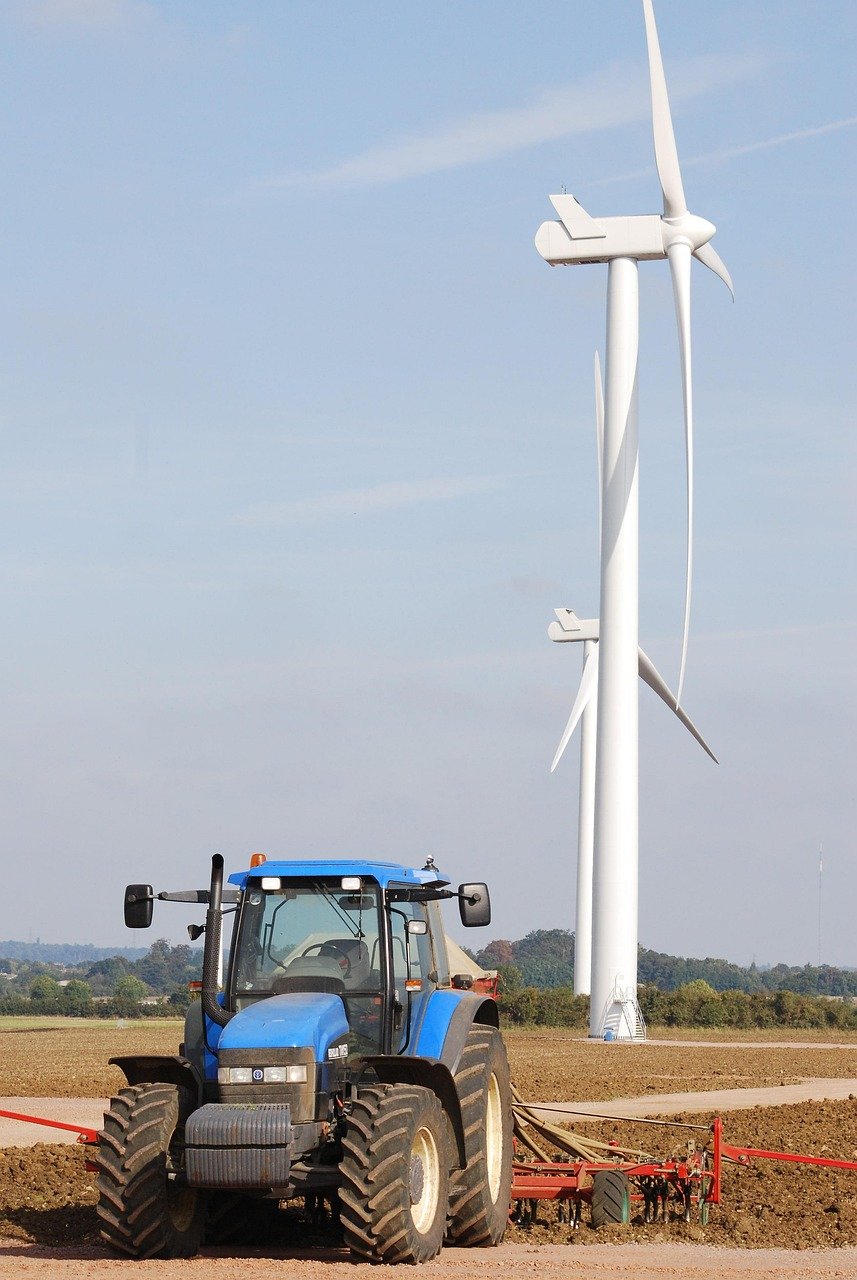
Additionally, the integration of renewable energy sources like solar panels, wind turbines, and geothermal heating systems helps decrease dependency on fossil fuels. Off-grid solutions are becoming increasingly popular on islands, allowing properties to utilize clean energy for power generation, heating, and cooling, thereby reducing the ecological footprint significantly.
3. Water Conservation Solutions
Water scarcity is a pressing concern for many island communities, making water conservation a priority in property development. Modern developments are incorporating rainwater harvesting systems, greywater recycling, and permeable paving solutions to reduce surface runoff and replenish groundwater supplies.
Landscape designers often choose native plants that require minimal irrigation and maintenance. By prioritizing xeriscaping, developers can create beautiful outdoor spaces that are both functional and ecologically responsible, conserving precious water resources.
4. Smart Home Technology
Smart home technology has made significant inroads into island property development, supporting sustainability through increased efficiency. Smart thermostats, energy-efficient appliances, and automated lighting systems are being integrated to optimize energy usage. Homeowners can monitor their energy consumption in real-time, adjust settings remotely, and receive alerts for any irregularities.
Incorporating IoT (Internet of Things) devices contributes to a more responsive and energy-efficient home environment. Many island properties now feature smart irrigation systems that utilize weather data to optimize watering schedules, further conserving water resources.
5. Biodiversity Integration
Another growing trend is biodiversity integration within property designs. Many developers and landscape architects are focusing on building homes that coexist harmoniously with local ecosystems. This involves careful planning to ensure that developments do not disrupt natural habitats.
Strategies may include creating wildlife corridors, planting native flora, and establishing conservation areas within or nearby the property. Such practices not only support biodiversity but also enhance the overall aesthetic appeal and value of the properties.
6. Regenerative Development
The concept of regenerative development is becoming increasingly popular in the context of island property development. Unlike traditional sustainable approaches, regenerative development goes a step further, aiming to heal and restore the land while creating community benefits. This trend involves enhancing local ecosystems, improving soil health, and restoring natural habitats.
Developments rooted in regenerative principles often incorporate agroecological practices, such as community gardens and permaculture designs. These initiatives foster local food production, improve community interaction, and promote a sense of stewardship among residents.
7. Community-Centric Designs
Eco-friendly island property development is also embracing a stronger focus on community-centric designs. Developers are moving away from isolated, sprawling estates in favor of more interconnected, walkable neighborhoods. The emphasis is placed on creating mixed-use spaces that incorporate residential areas with commercial, recreational, and communal spaces.
This design philosophy encourages social interaction while reducing reliance on cars, promoting walking and cycling as primary modes of transport. Developers often engage community members during the planning process to ensure that developments meet the specific needs of the local population.
8. Resilience to Climate Change
With rising sea levels and extreme weather becoming increasingly prevalent, resilience to climate change is paramount in island property development. New projects are incorporating design features aimed at mitigating the risks associated with climate-related events. Elevated structures, flood-resistant materials, and robust drainage systems are essential components of modern developments.
Moreover, developers are considering long-term climate projections in their planning. This forward-thinking approach not only protects properties but also serves to safeguard the lives of residents and the integrity of local ecosystems.
9. Eco-Tourism Integration
Many island property developments are now aligning with eco-tourism initiatives that promote sustainable tourism practices. Properties designed with eco-friendly principles attract eco-conscious travelers looking for sustainable vacation options. This trend encourages developers to create experiences that educate visitors on local ecology and conservation efforts.
Hotels and rental properties are being built to minimize waste, promote local cultures, and reduce environmental impacts, offering guests opportunities to connect with nature uniquely and responsibly. Collaborations with local guides and conservationists enhance the visitor experience while benefiting island communities economically.
10. Green Certifications and Standards
As eco-friendly practices gain ground, various green certification programs, such as LEED (Leadership in Energy and Environmental Design) and BREEAM (Building Research Establishment Environmental Assessment Method), are influencing island property development. These certifications encourage builders and developers to adhere to stringent sustainability criteria, from energy efficiency to resource management.
Acquiring these certifications not only adds value to properties but also signals to consumers that sustainable practices are at the forefront of the development process. Such recognitions can also attract environmentally conscious buyers who seek assurance that their investment aligns with their ecological values.
11. Promoting Local Economies
A focus on sustainability often goes hand-in-hand with promoting local economies. By sourcing materials, labor, and goods from the surrounding community, developers can create an economic cycle that benefits local residents. This approach fosters a sense of ownership and pride within the community, encouraging residents to engage in responsible stewardship of their environment.
Additionally, the integration of local artisans and craftsmen in property aesthetics, interior design, and landscaping can showcase rich cultural heritage while supporting traditional trades and crafts. Sustainable development, therefore, not only preserves the environment but strengthens community bonds.
12. Conclusion
Sustainable island property development is an evolving landscape that reflects the growing emphasis on ecological consciousness and community well-being. As innovative technologies and practices continue to evolve, they will undoubtedly shape the future of property development across island settings. By embracing eco-friendly trends, developers can create thriving, resilient communities where both people and nature flourish together.
