
Eco-Real Estate: Investing in Sustainable Island Properties
1. Understanding Eco-Real Estate
Eco-real estate refers to properties designed with sustainability in mind, embedding eco-friendly materials, energy-efficient technology, and sustainable living practices. Investors are increasingly drawn to eco-real estate as a double-faceted investment—offering both financial returns and the satisfaction of contributing positively to the environment. This trend is particularly prominent in island properties, where natural beauty is a significant draw for buyers and renters alike.
2. The Allure of Island Properties
Island locations often provide pristine environments, scenic views, and unique ecosystems. However, the pressure for development can threaten these delicate balances. By investing in sustainable island properties, investors not only capture the allure of island living but also play a crucial role in conserving the environment. Sustainable practices can maintain the ecosystem, preserve natural resources, and even improve local air quality, all while enhancing property values.
3. Benefits of Eco-Investing in Island Properties
A. Environmental Impact
Investing in eco-real estate contributes to sustainability by enabling green building practices. Sustainable properties often utilize solar energy, rainwater harvesting systems, and eco-friendly building materials like bamboo or recycled steel. These practices reduce the carbon footprint of properties and help preserve the fragile ecosystems intrinsic to island environments.
B. Attracting Eco-Conscious Buyers
Today’s homeowners and renters are increasingly eco-conscious, often willing to pay a premium for properties that reflect their values. Eco-friendly features such as energy-efficient appliances, low-flow water fixtures, and native landscaping can attract a robust market—a demographic inclined towards sustainability who values green living spaces.
C. Long-Term Financial Benefits
Sustainable properties often see lower operational costs due to energy-efficient systems and reduced utility bills. Furthermore, eco-friendly homes frequently appreciate at a higher rate than conventional properties, particularly in island markets where scarcity of land can elevate property values. Eco-conscious investments are poised for resilience against economic downturns, maintaining high desirability in a shifting marketplace.
4. Key Features of Sustainable Island Properties
A. Renewable Energy Sources
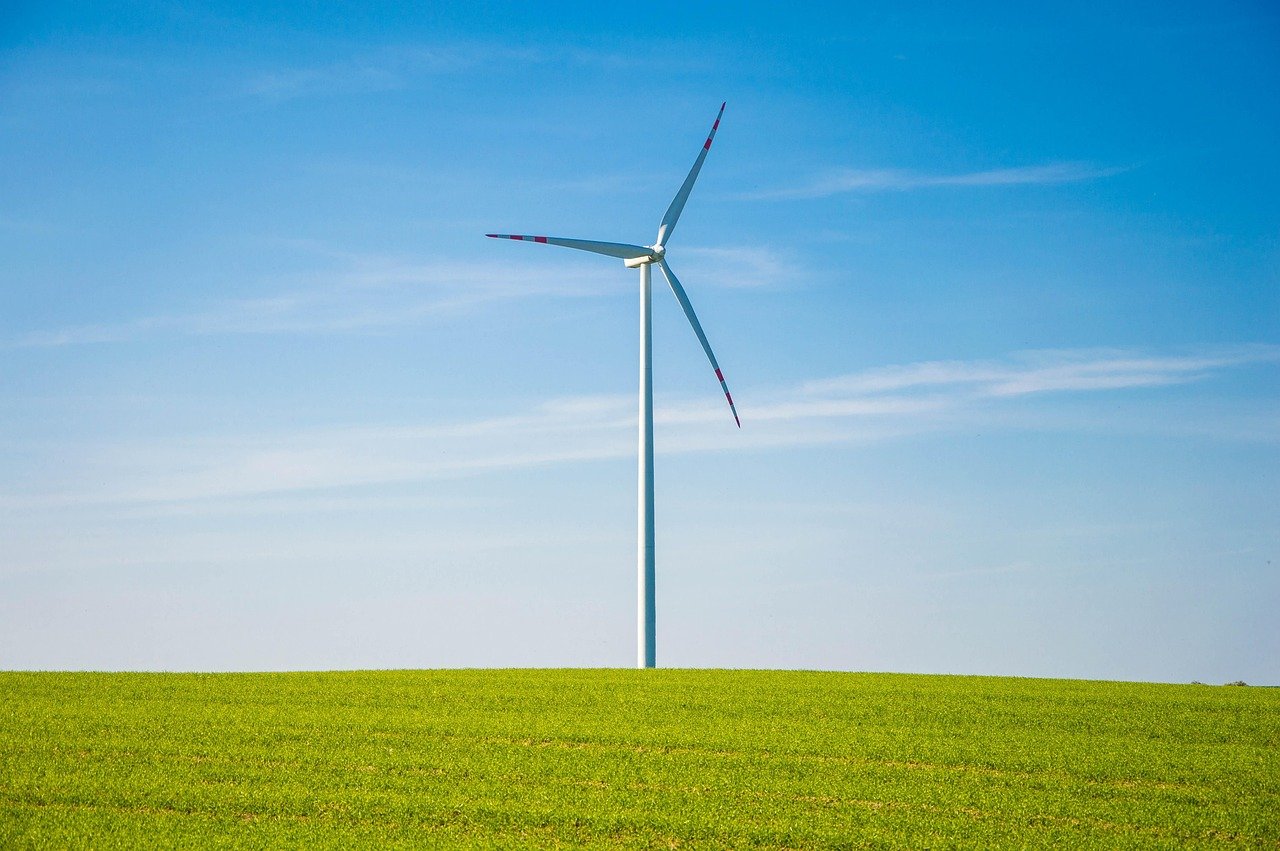
Utilizing solar panels or wind turbines allows island properties to generate their power, reducing reliance on fossil fuels and energy imports. Innovations such as solar shingles can seamlessly integrate with a property’s design, maximizing aesthetic appeal and energy efficiency.
B. Water Conservation Systems
Rainwater harvesting systems and gray-water recycling can greatly reduce water consumption, particularly critical in island ecosystems where fresh water is a limited resource. These systems not only enhance sustainability but can also provide significant cost savings over time.
C. Eco-Friendly Construction Materials
Employing sustainable materials can significantly reduce the environmental impact of construction. Using local materials minimizes transportation emissions and stimulates the local economy. Materials such as reclaimed wood, bamboo, and recycled concrete are commonly used in the construction of eco-friendly properties.
D. Sustainable Landscaping
Native plant landscaping reduces the requirement for irrigation, herbicides, and pesticides, helping to maintain local biodiversity. Sustainable landscape designs might incorporate features such as living roofs, which provide insulation and reduce heat absorption.
5. Challenges in Eco-Real Estate Investment
A. Initial Cost
The upfront costs associated with eco-building can be higher than traditional construction, due to the expense of energy-efficient technologies and sustainable materials. However, this investment pays off over time through reduced operational costs and increased property values.
B. Regulatory Hurdles
Island properties may be subject to strict zoning laws, environmental regulations, and building codes. Navigating the approvals for eco-friendly developments may require expertise in local legislation, demanding patience and strategic planning.
C. Climate Change
Islands are particularly vulnerable to climate change, including rising sea levels and extreme weather events. Investors must assess the risks associated with climate change and consider future-proofing strategies, such as elevated structures and robust drainage systems.
6. Emerging Islands in Eco-Real Estate Investment
A. The Caribbean
Sustainable investments in Caribbean islands have seen a meteoric rise, driven by the region’s stunning landscapes and commitment to eco-tourism. Locations like Dominica and St. Lucia endorse eco-friendly living, with growing communities focused on sustainability.
B. Hawaii
Hawaii has become a leader in eco-real estate through its commitment to renewable energy and sustainable agricultural practices. The state is home to numerous eco-friendly resorts and homes, making it a prime destination for eco-conscious investors.
C. Galapagos Islands
Investing in the Galapagos presents a unique opportunity to participate in conservation-focused real estate that prioritizes protecting endangered species and habitats. Eco-lodges and sustainable properties are at the forefront of responsible tourism here.
D. Southeast Asia’s Islands
Countries such as Indonesia and the Philippines are emerging hotspots for eco-real estate investment. Balancing development with conservation, these regions offer rich opportunities for investors looking to create sustainable, responsible properties.
7. Strategies for Successful Investment
A. Engage Local Experts
Investors should collaborate with local architects, builders, and environmental consultants who understand the region’s nuances, including ecology and zoning regulations. This collaboration ensures compliant and environmentally conscious designs.
B. Prioritize Eco-Certification
Look for properties or projects pursuing green certifications such as LEED, BREEAM, or Green Globes. Such certifications not only validate sustainability claims but also enhance marketability and remove ambiguities.
C. Market the Green Benefits
Highlighting the eco-friendly features of a property can attract more buyers. Utilizing technology to market sustainability—such as virtual tours showcasing renewable installations or smart home integration—can enhance appeal.
D. Create Community Initiatives
Developing community programs that promote sustainability can increase local support and value for eco-investing. Investors can establish initiatives focusing on education, conservation, or renewable energy, reinforcing a positive reputation and encouraging community engagement.
8. The Future of Eco-Real Estate
The eco-real estate movement, especially in island environments, is transforming how properties are developed and invested in. With growing consumer demand for sustainable living and increasing acknowledgment of climate challenges, the future points toward even more innovative, eco-conscious developments. Eco-conscious investors are in a prime position to lead this charge, addressing both market demand and the urgent need for ecological stewardship.
