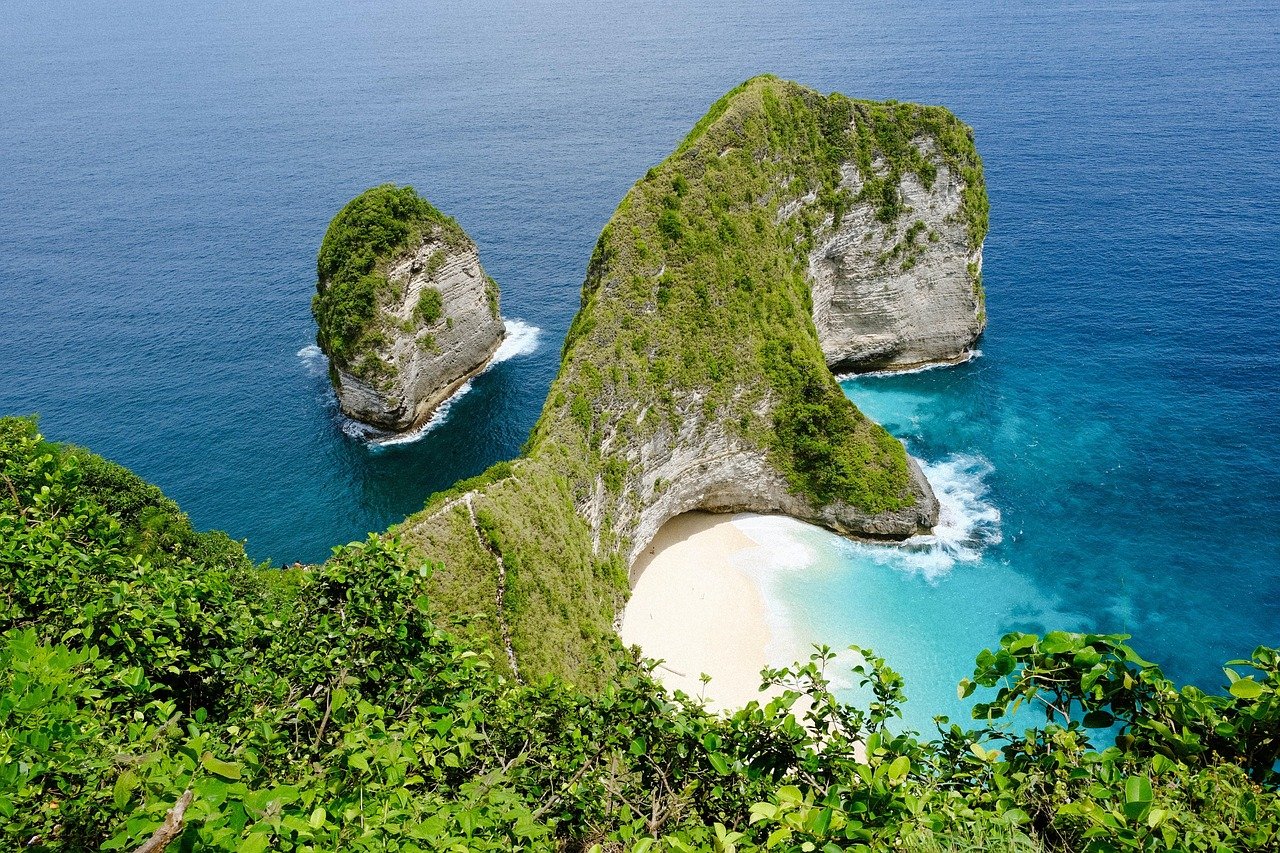

Exploring Sustainable Developments in Hawaii’s Real Estate Landscape
Hawaii’s breathtaking landscapes, vibrant cultures, and unique ecosystems have positioned the state as an increasingly desirable place for real estate investment. However, as the demand for housing rises, the challenge of maintaining sustainability in development becomes critical. This article delves into the various aspects of sustainable developments within Hawaii’s real estate landscape, highlighting innovative practices, regulations, and community engagement initiatives.
The Need for Sustainable Development
Hawaii faces distinctive environmental challenges, including limited land availability, high energy costs, and vulnerabilities to climate change and natural disasters. As an island archipelago, these challenges are exacerbated by the delicate balance between development and ecological conservation, making sustainable development not just beneficial, but essential.
Sustainable Building Practices
1. Use of Renewable Energy
One of the cornerstones of sustainable developments in Hawaii is the integration of renewable energy systems. Many new constructions are incorporating solar panels, which harness the abundant sunshine the islands receive. Additionally, energy-efficient appliances and smart home technologies are increasingly standard in new builds, significantly reducing energy consumption.
2. LEED Certification
Hawaii developers are increasingly pursuing Leadership in Energy and Environmental Design (LEED) certification for their projects. LEED-certified buildings show improved energy savings, water efficiency, and reduced greenhouse gas emissions, aligning with global sustainability goals. Notable examples include the recent developments in Kaka’ako, where mixed-use buildings embrace eco-friendly designs and technologies.
3. Sustainable Materials
The use of sustainable materials is another critical aspect of eco-friendly real estate development. Locally sourced materials, such as bamboo and materials from recycled sources, minimize transportation emissions and support the local economy. Developers are also choosing non-toxic, environmentally safe materials, resulting in healthier living spaces.
Local Regulations Promoting Sustainability
State and local governments in Hawaii recognize the importance of sustainable development and have established numerous regulations and incentives. The Hawaii State Building Code encourages energy-efficient lighting, HVAC systems, and better insulation practices. Moreover, various tax incentives exist for developers implementing energy-efficient technologies, further promoting sustainability in the real estate sector.
1. The Hawai’i Clean Energy Initiative
The Hawai’i Clean Energy Initiative aims to transition the state to 100% renewable energy by 2045. This ambitious goal necessitates a cultural shift in how energy is consumed and produced, influencing real estate development practices that prioritize clean energy solutions.
2. Zoning Laws Favoring Eco-friendly Projects
Zoning laws in several municipalities prioritize eco-friendly projects, enabling developers to engage in green architecture and land use planning. The cities of Honolulu and Maui have established programs fostering sustainable density, allowing developers to create innovative living spaces that minimize land use while maximizing utility.
Community Engagement in Sustainable Development
Engaging local communities in the development process ensures that projects meet the needs and concerns of residents, fostering a sense of ownership and care for the environment. Organizations, such as the Hawaiian Islands Land Trust, work closely with developers and communities to maintain the balance between growth and conservation.
1. Community Land Trusts
Community land trusts (CLTs) in Hawaii are instrumental in promoting sustainable, affordable, and community-oriented housing solutions. CLTs acquire land to maintain its affordability and ensure that developments align with community needs, contributing to local resilience and sustainability.
2. Planning for Sea-Level Rise
Hawaii’s geographical location makes it particularly susceptible to sea-level rise due to climate change. Community consultations involving local residents and stakeholders are vital in revising coastal development plans, ensuring resilience against climate impacts while emphasizing sustainable building practices.
Innovative Projects Leading the Way
Several groundbreaking developments across Hawaii serve as prime examples of sustainability in action:
1. The Kaka’ako Development
The Kaka’ako area in Honolulu has witnessed a boom in sustainable developments that combine residential spaces with commercial activities while emphasizing green spaces. Developers are promoting pedestrian-friendly designs, utilizing energy-efficient technologies, and creating vibrant community spaces.
2. The Mālaekahana Surf Camp
Situated along North Shore, the Mālaekahana Surf Camp embraces eco-tourism with its sustainable practices. By using outdoor devotion to sustainable practices, such as solar energy and water conservation, the camp provides a model for future hospitality developments in Hawaii.
Sustainable Housing Initiatives for Affordability
In addition to eco-friendly projects, there’s a growing push for affordable housing developments that incorporate sustainable features, aiming to mitigate the state’s housing crises.
1. Public-Private Partnerships
Public-private partnerships are crucial in developing affordable housing while promoting sustainability. Cooperation between government entities and private developers allows for funding and resources to create energy-efficient, cost-effective homes. For instance, projects funded partly by the state may include provisions for solar power, ensuring affordability and environmental harmony.
Challenges in Sustainable Development
Despite the progress being made, several challenges still hinder the sustainable development of real estate in Hawaii:
1. High Construction Costs
While sustainable technologies can reduce long-term energy costs, the initial investment required can be prohibitive. Developers often struggle to cover these upfront costs, particularly when affordable housing is a priority.
2. Regulatory Hurdles
Navigating the regulatory landscape can be daunting for developers aiming for sustainable projects. Rigorous permitting processes and stringent environmental laws can elongate project timelines, leading to uncertainty and increased costs.
Conclusion
The intersection of sustainability and real estate in Hawaii is both a challenge and an opportunity. With increasing awareness and innovative practices, the architecture of Hawaii is evolving. By harnessing natural resources and involving communities throughout the development process, Hawaii is paving the way for a sustainable future that honors its unique environment while meeting the needs of its residents. As sustainable developments continue to emerge, they create a model of resilience for other regions facing similar challenges in the modern real estate landscape.
