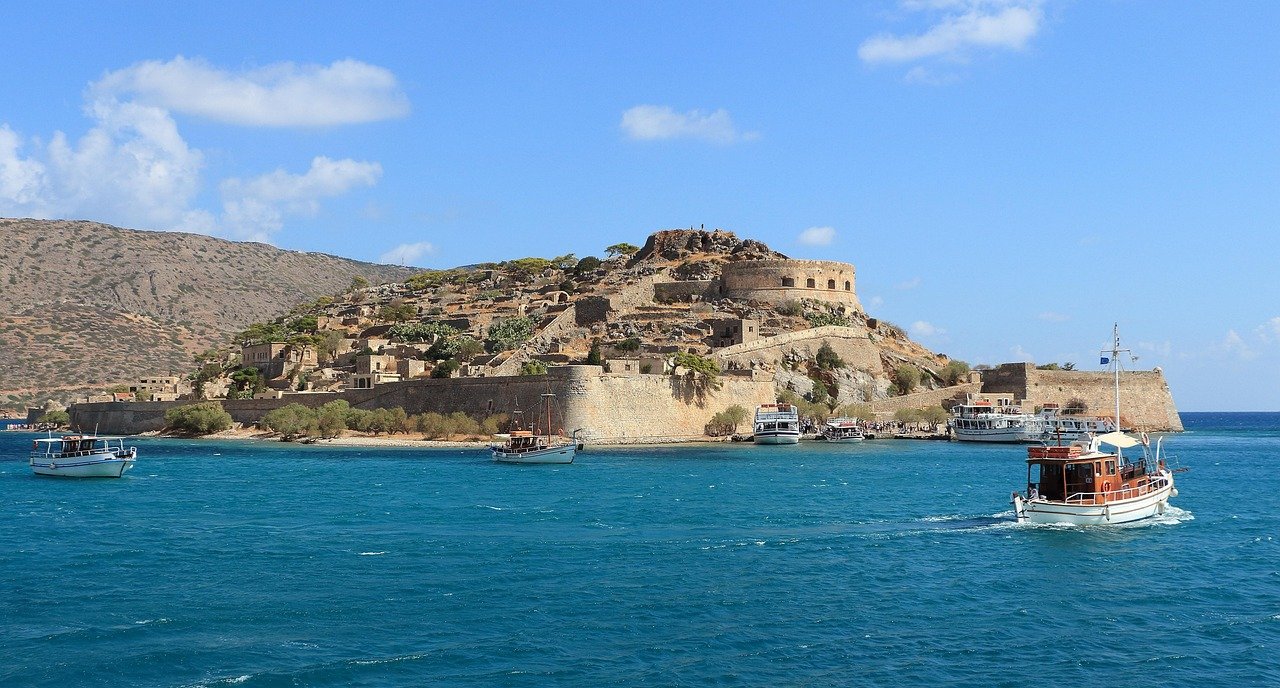

Exploring the Latest Trends in American Island Real Estate Development
Understanding the Appeal of Island Living
American island real estate attracts investors and homebuyers seeking tranquil settings and pristine environments. From the tropical allure of Hawaiian isles to the rugged charm of the Maine coast, islands offer unique lifestyles characterized by their stunning surroundings and a sense of community. The appeal of island living is heightened by remote work trends and the desire for second homes amid the ongoing pandemic.
Sustainable Development Practices
Sustainability is a pillar of modern island development. Given the vulnerability of islands to environmental changes, developers prioritize eco-friendly construction practices. Utilizing local materials, minimizing land disruption, and implementing solar energy systems are common strategies. For instance, many projects now feature green roofs and rainwater harvesting, enhancing the ecological integrity of island habitats.
New regulations, particularly in regions like Hawaii, require developers to demonstrate their commitment to preserving natural resources and native ecosystems. The focus on sustainability not only addresses environmental concerns but also appeals to buyers who prioritize eco-conscious living.
Luxury Market Trends
The luxury real estate market on American islands is booming. Exclusive properties in locations like Nantucket, The Florida Keys, and San Juan are seeing increased interest. High-net-worth individuals are drawn to amenities such as private docks, infinity pools, and custom-designed homes. Demand for ultra-luxury features, including smart home technology and wellness-inspired spaces, is on the rise, reflecting changing lifestyles and preferences.
Additionally, there is a growing trend toward multi-generational living. Properties designed to accommodate entire families, often featuring separate wings or apartments, have become increasingly popular. This trend underscores a desire for shared experiences and the continuity of family ties.
The Rise of Remote Work and Its Impact
The pandemic has shifted the work paradigm, allowing many to work remotely for the first time. This shift has made island living more feasible, as professionals no longer need to live within commuting distance to urban centers. Communities such as the Outer Banks and Catalina Island are welcoming new residents who bring diverse professional backgrounds, enhancing local economies and community life.
Remote work clergies have fueled interest in island real estate, with many buyers looking for properties that offer productive workspaces and serene environments. Developers are responding by designing homes with dedicated office areas and strong internet connectivity, addressing the needs of remote workers seeking peaceful and inspiring workspaces.
Technological Advancements in Real Estate
Innovations in technology are significantly transforming the way real estate transactions occur. Virtual tours, drone photography, and 3D modeling allow potential buyers to view properties remotely, making the buying process more convenient and efficient. Moreover, blockchain technology is beginning to impact real estate transactions, offering transparency and security in property dealings.
In regions like the Florida Keys and the Virgin Islands, developers are adopting high-tech solutions to streamline operations and enhance the buyer experience. Real estate software platforms help manage listings and customer relations while providing essential data analytics to identify market trends.
Adaptive Reuse of Existing Structures
Many developers are embracing the idea of adaptive reuse, turning old structures into modern living spaces. This trend not only preserves the island’s history but also reduces the environmental impact of new constructions. Historic lighthouses, old warehouses, and abandoned hotels are being transformed into luxury condos and boutique hotels.
For example, in Martha’s Vineyard, formerly underutilized properties are being revitalized into luxury accommodations that maintain the character of the area. This approach can stimulate local economies by attracting tourism while preserving the charm that makes these islands unique.
Community-Centric Developments
Modern island developments increasingly focus on community integration. Developers recognize that buyers seek not just a home but also a lifestyle. Emphasizing public spaces, including parks, walking trails, and communal areas, promotes social interaction and enhances quality of life. Projects that incorporate local art, culture, and culinary experiences foster a sense of belonging and support local businesses.
Communities like Block Island are implementing mixed-use developments that combine residential, commercial, and recreational spaces, promoting sustainability and convenience. This approach encourages walkability and reduces reliance on automobiles, enhancing the island experience.
Regulatory Challenges and Coastal Resilience
Regulations surrounding coastal development have tightened, reflecting growing concerns over climate change and rising sea levels. Developers are increasingly tasked with navigating complex permit processes, incorporating flood-resistant designs, and ensuring compliance with environmental laws. Innovative building methods, such as elevated foundations and use of resilient materials, can mitigate risks associated with coastal living.
Understanding state and federal guidelines is crucial for successful island development. In places like Florida, developers must consider hurricane resiliency, which has led to the incorporation of wind-resistant technology in new construction.
Investment in Infrastructure
An essential aspect of real estate development is infrastructure. Many American islands are investing in improved transportation, utilities, and services that enhance livability and attract buyers. Enhanced ferry services, airport expansions, and better road access enhance connectivity between islands and the mainland, appealing to those seeking a more accessible lifestyle.
Furthermore, improving internet services is crucial in promoting remote working opportunities. As island communities see increased demand for properties, local governments are exploring public-private partnerships to fund infrastructure improvements that facilitate growth.
Fostering Local Economies
Lastly, island real estate development has become a powerful driver of local economic growth. New construction creates jobs and stimulates industries such as tourism and hospitality. Developers are increasingly partnering with local businesses to promote local tourism, creating curated experiences that showcase natural beauty and cultural heritage.
Communities that embrace tourism in a sustainable way can thrive economically. Efforts to promote eco-tourism and culturally immersive experiences are enhancing their attractiveness to visitors while fostering long-term economic resilience.
Concluding Thoughts (omit as per request)
The landscape of American island real estate is evolving, shaped by socio-economic trends, technological advancements, and a heightened awareness of ecological sustainability. As buyers increasingly seek homes in idyllic settings, the real estate development sector is responding proactively by embracing innovative practices that promote resilience, community, and luxury. Investing in island real estate can offer compelling opportunities and rewards for buyers and developers alike, creating unique spaces in paradise.
