
Exploring the Shift Towards Off-Campus Housing for Students
The Increasing Trend of Off-Campus Living
In recent years, there has been a significant shift in the housing preferences of college students, with many opting for off-campus living instead of university dormitories. This trend can be attributed to various factors, including cost considerations, lifestyle preferences, and the pursuit of independence.
Cost Considerations
One of the primary drivers of this shift is the rising cost of on-campus housing. Many universities have seen a surge in tuition and associated living expenses, pushing students to seek more affordable off-campus options.
-
Rental Prices: In areas surrounding universities, there is often a diverse range of rental options available. Students can find houses, apartments, or shared living arrangements that can be cheaper than dormitory fees, especially when shared among multiple roommates.
-
Utilities and Amenities: Off-campus housing often provides the advantage of including utilities and amenities in the rental price, which can lead to significant savings. Many apartments offer provisions such as internet, cable TV, and even furnished options, making them more budget-friendly.
Lifestyle Preferences
The desire for greater autonomy and a lifestyle that aligns more closely with personal preferences is leading students towards off-campus living.
-
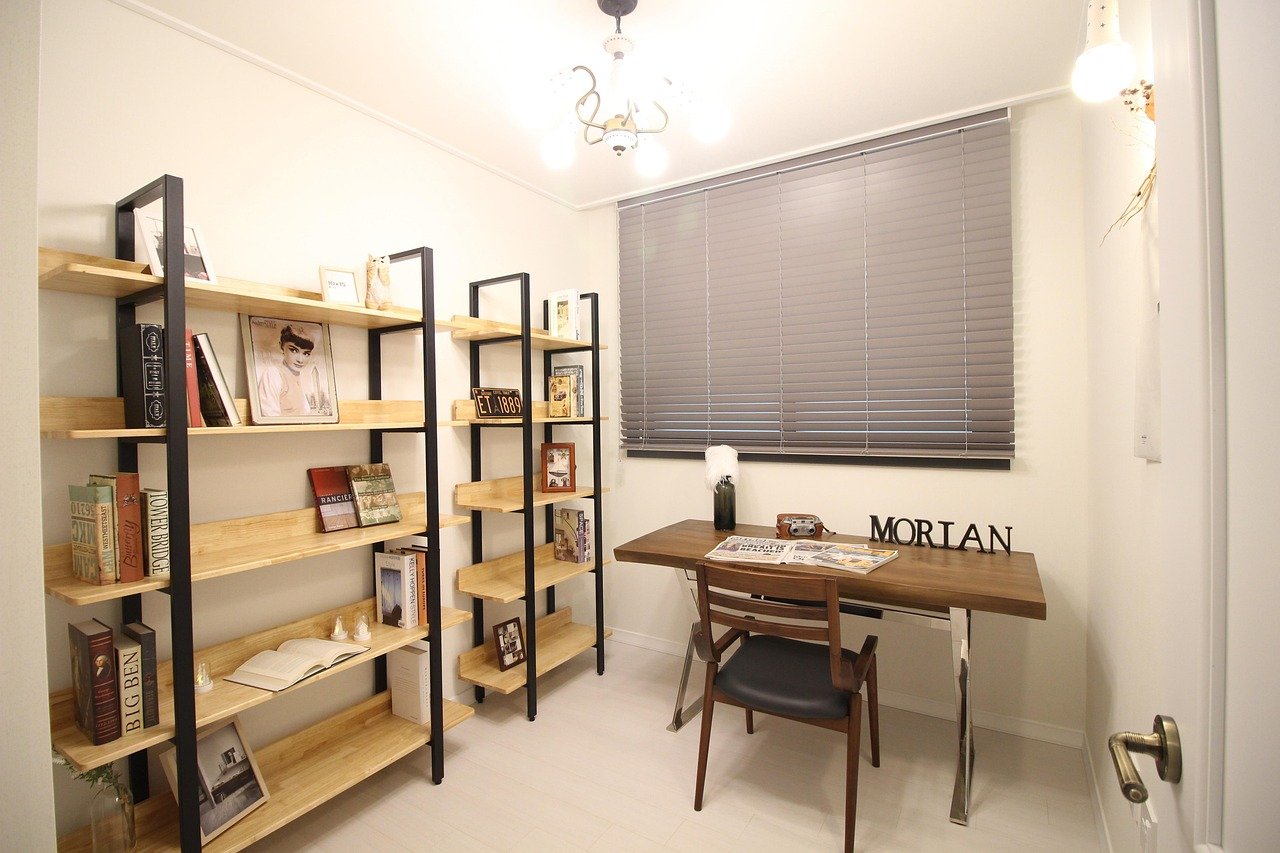
Space and Privacy: On-campus housing usually comes with shared facilities and limited personal space. Off-campus residences typically offer more room, allowing for personal retreats and a more comfortable living environment.
-
Kitchen Facilities: Many students prefer to cook their meals rather than rely on campus dining services. Having a kitchen allows individuals to eat healthier, save money, and have control over their nutrition.
-
Social Dynamics: Living off-campus often provides the opportunity to cultivate relationships with a wider network of peers, including those outside of the university sphere. This can enhance social experiences and networking opportunities that are beneficial post-graduation.
The Pursuit of Independence
Graduating from the confines of dorm life is also a rite of passage for many students.
-
Life Skills Development: Living independently requires students to develop essential life skills such as budgeting, cooking, and house maintenance, which prepare them for life after university.
-
Self-Management: Off-campus living encourages students to manage their time more effectively, balancing academic responsibilities with personal life demands.
Housing Market Dynamics
The student housing market has begun to adapt to meet the growing demand for off-campus living.
-
Development of Purpose-Built Student Accommodation (PBSA): Many property developers have capitalized on this trend by constructing PBSA, which are designed specifically for students. These often come with attractive features such as study lounges, fitness centers, and social spaces, creating a conducive environment for academic success.
-
Real Estate Investment Opportunities: Investors are increasingly recognizing the potential in off-campus rental properties, leading to a rise in specialized student housing services. These include management firms that cater exclusively to student needs, providing not just housing but also campus-related services.
Transportation and Accessibility
With more students choosing to live off-campus, universities and local governments are enhancing transportation options to ensure accessibility.
-
Public Transit Improvements: Many cities are investing in reliable public transportation systems that facilitate easy commutes between off-campus housing and university campuses. This alleviates concerns over transportation challenges and delays in attending classes.
-
Cycling and Walking Infrastructure: Institutions are also promoting cycling and walking as viable alternatives. The development of bike racks, dedicated lanes, and pedestrian-friendly paths ensures that students can navigate their campuses and cities efficiently.
The Role of Technology
Technology is playing a pivotal role in shaping the off-campus housing experience for students.
-
Housing Platforms: Websites and applications dedicated to off-campus housing are making the search process simpler. Students can easily compare options, read reviews, and connect with landlords, thus streamlining their search for accommodations.
-
Smart Home Features: Many newly constructed off-campus apartments are equipped with smart home technology that enhances convenience and security. Features such as keyless entry and energy-efficient appliances appeal to tech-savvy students who value modern conveniences.
Community and Support Networks
Living off-campus does not mean students are isolated; in fact, communal living arrangements can foster strong networks.
-
Shared Housing Arrangements: Co-living spaces are emerging as an attractive option, offering fully furnished shared homes with included utilities. This model not only lowers costs but also creates a community atmosphere conducive to social interaction.
-
Local Engagement: Many students living off-campus engage with their local communities, participating in volunteer opportunities, internships, and social events. This involvement broadens their experience and helps build connections within the local area.
Safety and Security Considerations
Safety is a critical factor when considering off-campus housing.
-
Neighborhood Assessments: Students are more frequently conducting thorough assessments of neighborhoods prior to signing leases. Factors such as crime rates, proximity to campus, and community resources play a crucial role in decision-making.
-
Property Security Features: Many off-campus housing options offer enhanced security measures such as gated access, security cameras, and on-site personnel, giving students a sense of safety and peace of mind.
Environmental Sustainability
Students today are increasingly conscious of their environmental footprint, leading many to choose off-campus living as a sustainable option.
-
Eco-Friendly Apartments: The rise in eco-consciousness has resulted in a market for green apartments equipped with energy-efficient appliances, recycling programs, and sustainable materials.
-
Reduced Carbon Footprint: Living off-campus often encourages walking or cycling, contributing to a decrease in each student’s overall carbon footprint. Some universities are even incentivizing sustainable living choices through programs and initiatives.
Managing Off-Campus Living Challenges
While off-campus living offers numerous advantages, it also presents its own set of challenges.
-
Lease Agreements and Legalities: Understanding lease agreements, security deposits, and tenant rights is crucial for students venturing into the rental market for the first time. Resources and workshops provided by universities can assist students in navigating these complexities.
-
Balancing Time and Responsibilities: The independence that comes with off-campus living can lead to a greater responsibility for managing time. With newfound freedom, students must balance academics, work, and social activities effectively.
Final Thoughts
The shift towards off-campus housing reflects the broader changes in student lifestyles, preferences, and economic realities. As institutions and communities adapt to meet these needs, the relationship between students and their living environments evolves, creating new opportunities for engagement, independence, and growth.
