
The Origins of Island Tourism
Island tourism dates back centuries, with early travelers seeking the charm of distant shores. The concept gained momentum in the 19th century when places like the British Isles and the Caribbean began to attract wealthy vacationers. With the advent of steamships, accessibility increased significantly, allowing the upper classes to explore idyllic locations.
The Role of Natural Attractions
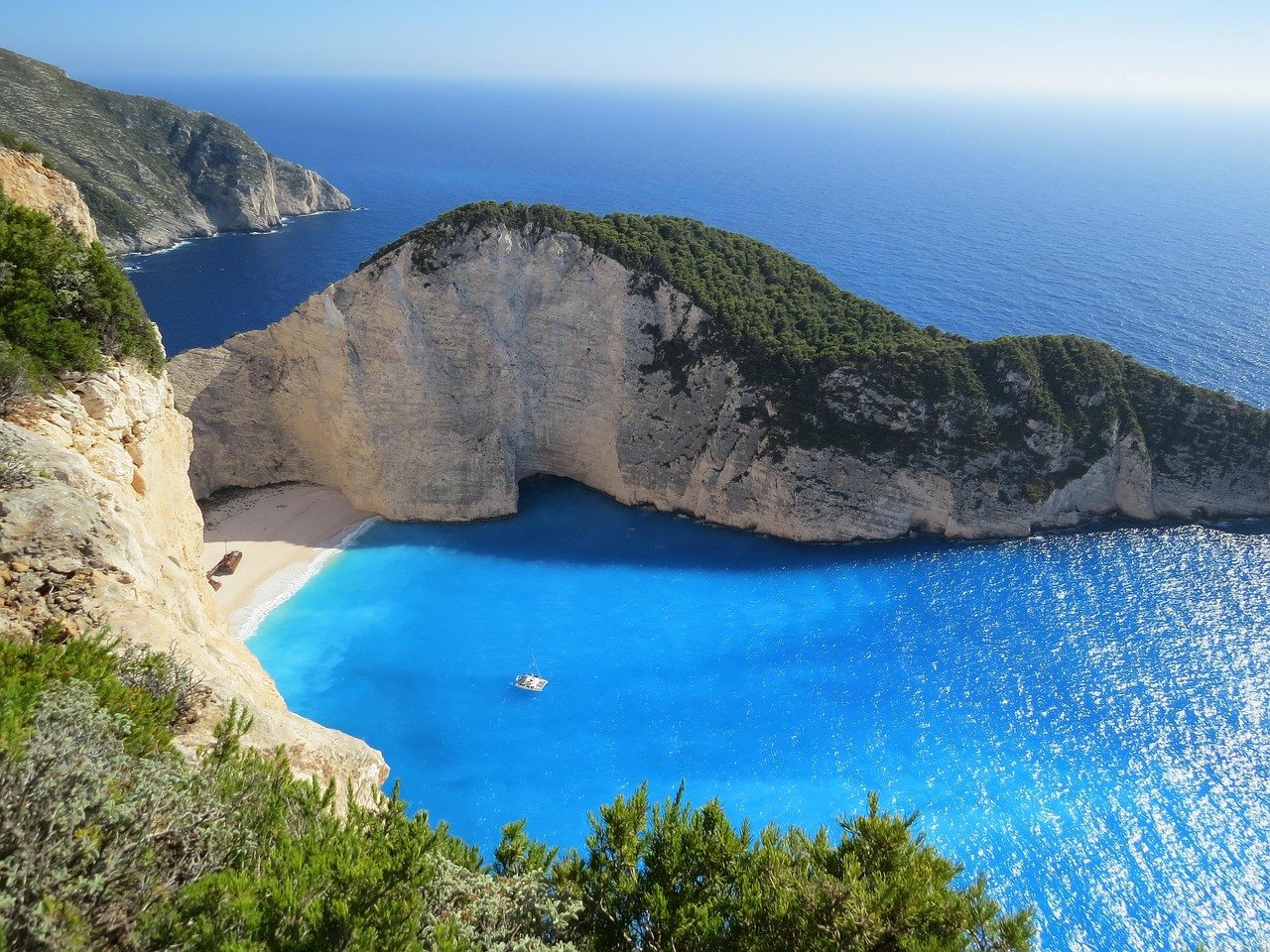
One of the primary draws of island locales has always been their stunning natural landscapes. Pristine beaches, crystal-clear waters, and lush greenery are essential components of the allure. These features directly influence tourism development, with destinations like the Maldives and Hawaii positioning their natural beauty as a core part of their marketing efforts. The introduction of eco-tourism in recent years has further highlighted the importance of preserving these natural wonders while promoting sustainable travel practices.
Infrastructure Development
As demand for island tourism grew, so did the need for adequate infrastructure. Basic facilities evolved into luxurious resorts, each aiming to offer unique experiences. In the early 20th century, small inns and guesthouses were common, but the rise of the hotel industry transformed the landscape.
Resorts began incorporating features like spas, golf courses, and water sports to attract a wider variety of tourists. Facilities began to reflect local cultures, often integrating indigenous elements into architectural designs. This helped to create an authentic experience for visitors while promoting local craftsmanship.
The Boardwalk Phenomenon
Boardwalks emerged as central components in many island tourist destinations, offering visitors a chance to stroll along the coast while enjoying various attractions like shops, restaurants, and entertainment. The Atlantic City Boardwalk, established in the 1870s, set the stage for similar developments across the globe. These boardwalks foster community engagement and tourism, creating vibrant social hubs where locals and visitors interact.
Cultural Tourism and Local Experiences
The changing face of island tourism is characterized by an increasing focus on cultural experiences. Tourists are now more interested in authentic connections with local traditions, foods, and lifestyles. This shift has led to the emergence of cultural festivals, art exhibitions, and culinary tours.
Organizations have sprung up to promote local artisans and craftsmen, ensuring that island culture is preserved while providing invaluable support to the community. Culinary tourism, focusing on local ingredients and traditional recipes, has gained traction, with many travelers opting for cooking classes and food tours.
Sustainable Tourism Initiatives
As awareness regarding environmental issues rises, many island destinations have integrated sustainability into their tourism strategies. The impact of mass tourism on local ecosystems has prompted a new emphasis on conservation and responsible travel.
Various islands, such as Seychelles and Bali, are adopting eco-friendly practices, such as waste reduction, renewable energy usage, and conservation programs. Accommodations are now being designed with sustainability in mind, using local materials and minimizing waste. Initiatives like these not only help protect the environment but also appeal to eco-conscious travelers.
Technological Advancements
The transformational impact of technology on island tourism cannot be overstated. The rise of online booking platforms has revolutionized how travelers plan their vacations, enabling easier access to destinations that were once difficult to reach. Virtual reality experiences allow potential visitors to “tour” locations before arriving, highlighting the importance of comprehensive online presence for resorts and destination marketing organizations.
Additionally, social media has become a powerful tool for promoting island tourism, with influencers and travelers sharing their experiences globally. This democratization of travel information allows small, lesser-known islands to gain exposure, encouraging a broader range of tourists to explore different destinations.
The Impact of Global Events
Global events, including the COVID-19 pandemic, have dramatically influenced island tourism. Travel restrictions forced many destinations to rethink their tourism strategies as traditional tourist flows were disrupted. Islands reliant on international visitors began to focus on domestic tourism, creating unique offers targeted at local travelers.
The pandemic has also prompted significant health and safety changes within hosting facilities, with many resorts adopting enhanced cleanliness protocols to ensure guest safety. This shift has led to an increase in the use of contactless technology, reshaping the customer experience.
The Future of Island Tourism
Looking ahead, the future of island tourism appears promising, albeit with challenges. Climate change poses a significant threat to many island nations, urging stakeholders to develop more resilient infrastructure and adapt to changing conditions. Innovative solutions focusing on sustainability and conservation will be pivotal in maintaining the delicate balance between tourism and environmental protection.
Innovations in transportation, such as electric ferries and solar-powered boats, are likely to become more prevalent. These advancements will aid in reducing the carbon footprint associated with travel to and from islands.
Furthermore, the growing trend of remote working presents new opportunities for island tourism. More individuals are looking for alternative work environments, driving demand for long-stay accommodations that combine work with leisure. This could lead to an extended growth cycle for island destinations, blurring the lines between tourism and lifestyle.
Conclusion and Emerging Trends
As island tourism continues to evolve, understanding consumer demands and global shifts will be crucial. From luxurious accommodations to immersive cultural experiences, the hospitality sector must remain adaptable.
The introduction of wellness tourism, with spa resorts focusing on mental health and relaxation, is likely to reshape the landscape further. Likewise, adventure tourism—offering activities like hiking, diving, and eco-adventures—will become increasingly popular as travelers seek unique experiences that challenge their physical and mental boundaries.
As island hosting facilities undergo transformations to meet modern-day expectations, the commitment to preserving cultural authenticity and environmental sustainability will ensure that these breathtaking destinations remain a beloved choice for tourists worldwide.
