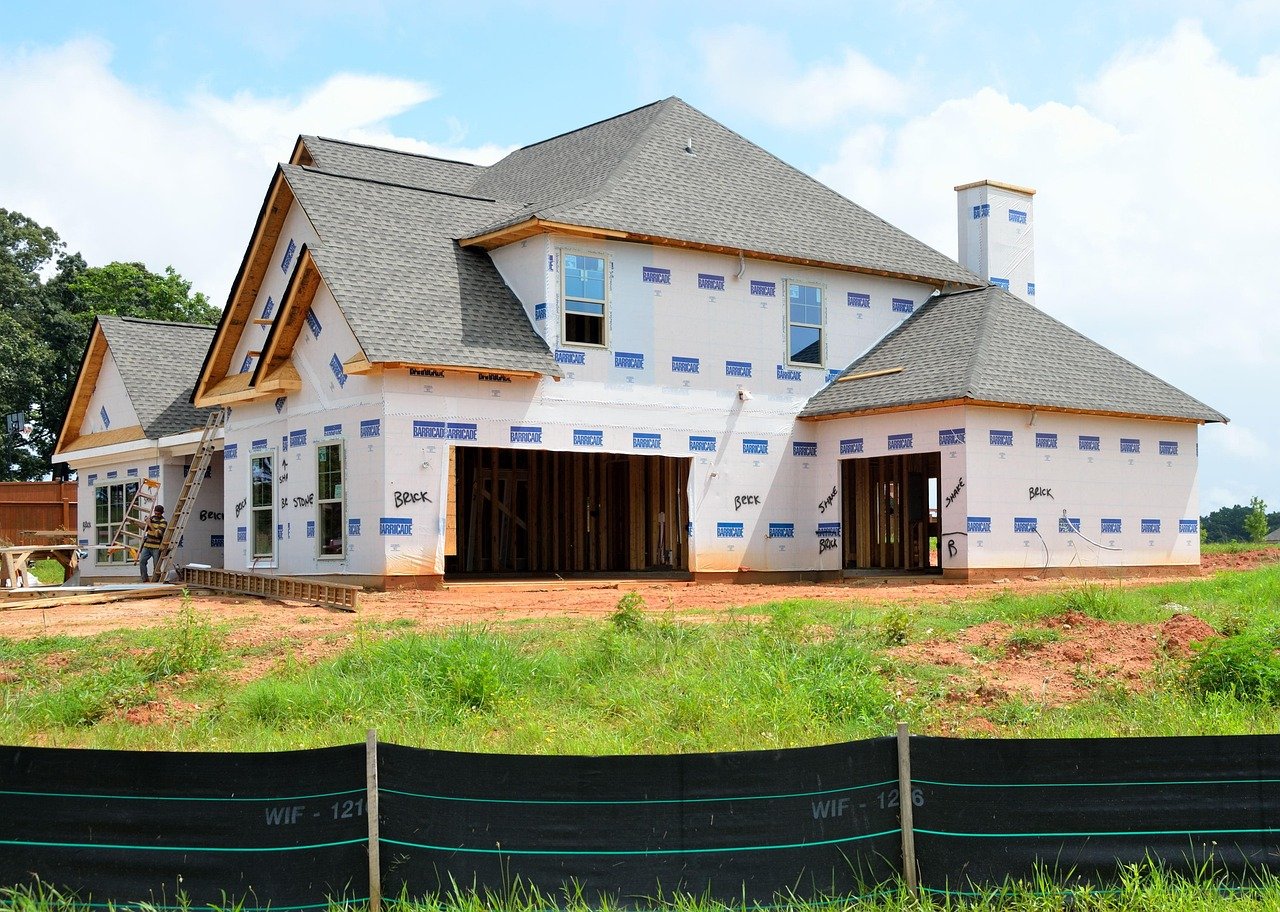

From Blueprint to Reality: Unveiling New Residential Projects in Urban America
Urban Revitalization: A Driving Force
In recent years, urban America has witnessed a tremendous shift towards revitalization, transforming cityscapes with exciting new residential projects. With rising population density and a growing inclination towards urban living, developers are increasingly focused on creating innovative housing solutions that cater to diverse demographics. This surge in urban residential projects is not merely about adding structures, but about creating vibrant communities.
The Role of Sustainability
Sustainability plays a pivotal role in shaping new residential developments. From energy-efficient designs to eco-friendly materials, the emphasis on environmental responsibility is evident in many projects. Developers are leveraging advanced technologies such as LEED certification to ensure buildings meet high environmental standards. The incorporation of green roofs, solar panels, and efficient water management systems reflects a strong commitment to sustainable living.
Innovative Architectural Designs
Architectural innovation has become a hallmark of new residential projects across the urban landscape. A shift from traditional designs to contemporary and avant-garde styles is redefining city skylines. Projects like the Hudson Yards in New York City exemplify this trend, featuring modern aesthetics that blend seamlessly with their environments while offering luxury amenities and expansive living spaces. Unique architectural elements, such as multi-use spaces and modular construction, promote functional living without compromising on style.
Mixed-Use Developments
Mixed-use developments are gaining traction as urban planners recognize the benefits of integrating residential, commercial, and recreational spaces. Such projects not only provide housing but also create vibrant neighborhoods that foster interaction among residents. A prime example is the Tishman Speyer’s Salesforce Tower in San Francisco, where upscale apartments coexist with retail outlets and office spaces. This model encourages walkability and reduces the reliance on cars, promoting a cohesive community experience.
Smart Home Integration
As technology continues to permeate every aspect of life, the integration of smart home features in new residential projects has become standard practice. Developers are embedding technology that enhances security, energy efficiency, and convenience. Automated systems control lighting, heating, and even appliances, allowing residents to manage their homes remotely. Projects like the Green Home at Cedar Hill in Austin are pioneering these features, creating intelligent living environments that cater to the modern urban dweller.
Affordable Housing Initiatives
Addressing the affordable housing crisis is paramount in urban development. Cities like Los Angeles and Chicago have embarked on initiatives that allocate funding for affordable residential projects. The Affordable Housing Trust Fund is one such initiative designed to increase the availability of low-cost housing without compromising quality. Collaborations between public and private sectors are crucial to developing inclusive communities that provide not just housing, but also access to essential services.
Community-Focused Developments
The essence of urban living extends beyond individual dwellings to the communities that foster connections among people. Many new residential projects prioritize community-centric designs, incorporating parks, communal gathering spaces, and event areas. Projects like The Line Hotel in Washington, D.C., exemplify this approach by blending residential living with local culture and providing spaces for public engagement.
Transportation Accessibility
Transportation accessibility shapes the viability of urban residential projects. Proximity to public transit options like subway systems and bus routes is a critical consideration for developers. Projects such as the new developments around the Atlanta BeltLine have recognized the necessity for easy commuting options. These initiatives not only enhance property values but also encourage residents to opt for sustainable transportation methods, reducing overall traffic congestion.
Gentrification Concerns
While new residential projects often spark revitalization, they frequently trigger gentrification concerns. The influx of luxury developments can lead to rising property values and displacement of long-time residents. To counter this, urban planners are implementing policies aimed at preserving affordable housing and addressing the needs of existing communities. Engaging local residents in the planning process ensures that developments benefit all socioeconomic groups.
Case Studies of Success
Several urban areas stand out as models for successful residential project implementation. In New York City, the High Line has transformed an old railway into a green space, leading to an influx of new residential developments that utilize the park’s aesthetic. Similarly, Denver’s River North Art District (RiNo) symbolizes how art and culture can invigorate real estate, driving new housing projects while celebrating community heritage.
Future Trends in Urban Residential Development
The future of urban residential projects lies in continued innovation and adaptability. Demographics are shifting towards a younger, more diverse population that values experiences over traditional ownership. Developers are responding with co-living spaces and micro-apartments that cater to transient lifestyles. As work-from-home arrangements become commonplace, projects are also integrating home-office spaces into their designs, ensuring that living and working environments are adaptable to evolving needs.
Investment Opportunities
Investors are keenly aware of the potential returns on urban residential projects. With population growth in cities projected to continue, the demand for housing remains steady. Financing mechanisms such as Opportunity Zones provide incentives for investors to contribute to revitalization efforts while obtaining favorable tax benefits. Investors are advised to focus on developments that emphasize sustainability, community, and accessibility to maximize long-term returns.
How Urban Planning is Evolving
Urban planning has evolved dramatically, focusing on smart growth principles that aim for balanced community development. Planners are employing data analytics and predictive modeling to inform decisions on where and how to build. Integrating public feedback into the planning stages ensures that projects meet the functional needs of residents while adhering to growth management policies designed to combat urban sprawl.
Viewing the Big Picture
Understanding the broader influences on urban housing projects is essential. Economic factors, population trends, and technological advancements shape the residential landscape. Developers must remain flexible and responsive to change, leveraging these influences to create functional, sustainable, and attractive housing options for a diverse urban population.
Conclusion
New residential projects in urban America represent more than just physical structures; they symbolize a shift in lifestyle, sustainability, and community connection. As cities continue to grow and evolve, these developments will play a crucial role in defining the future of urban living, making it imperative for stakeholders to focus not only on the here and now but also on the long-term impacts of their choices.
