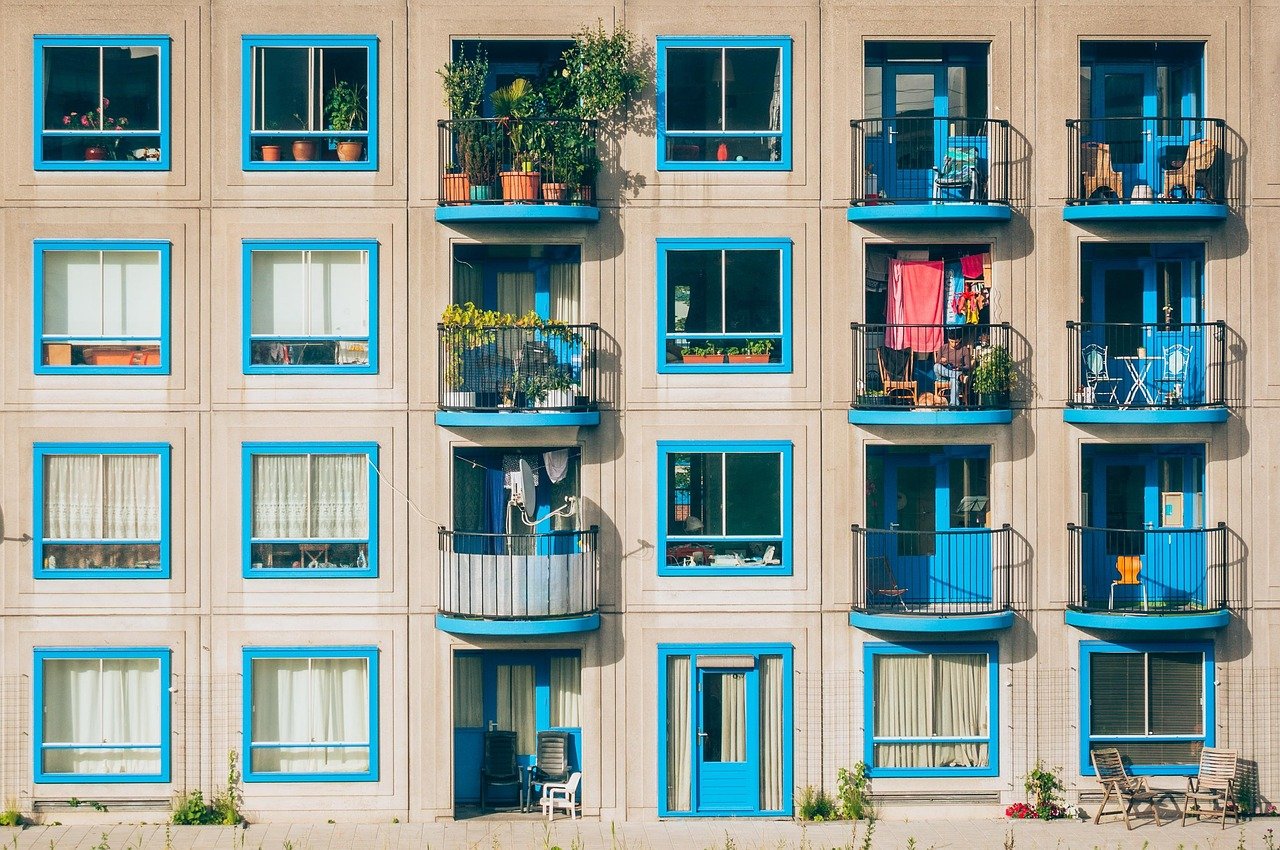

Understanding Gentrification
Gentrification is a complex socio-economic phenomenon characterized by the influx of wealthier individuals into previously lower-income neighborhoods. This process often results in increased property values, changes in the local culture, and significant demographic shifts. The intricate relationship between gentrification and urban apartment availability is critical to understanding the effects on both residents and the broader urban landscape.
The Mechanisms of Gentrification
Gentrification typically occurs in urban areas where outdated infrastructure and cheaper housing attract a new class of residents seeking affordable living spaces near city centers. Factors contributing to gentrification include:
-
Economic Development: The revitalization of neighborhoods leads to enhanced amenities such as shops, restaurants, and public spaces, making them more desirable for higher-income residents.
-
Government Investment: Local government initiatives that improve public transport, parks, and roads can elevate property values. Economic incentives for developers also play a significant role in transforming neighborhoods.
-
Cultural Trends: As younger professionals move into an area, their lifestyle preferences can affect local businesses and drive up demand for new services, further shifting the neighborhood’s character.
Impact on Apartment Availability
As gentrification takes hold, the supply and demand dynamics of urban apartments undergo substantial change, generating both positives and negatives.
Increased Demand
The arrival of more affluent residents leads to an increased demand for housing. High-income individuals often seek modern apartments with desirable amenities, resulting in:
-
New Developments: Developers may respond to the rising demand by constructing luxury apartments targeting wealthier tenants. This may lead to a proliferation of high-end units while the availability of lower-priced apartments diminishes.
-
Renovations: Existing buildings may undergo renovations and upgrades to attract new tenants. This often leads to a rise in rental prices, further squeezing the lower-income demographic out of the market.
Displacement of Long-term Residents
One of the most contentious issues surrounding gentrification is the displacement of long-time residents:
-
Rental Price Surge: As property values increase, landlords may raise rents to keep pace with market trends. Long-term residents, often on fixed incomes, may find themselves priced out and forced to relocate.
-
Loss of Community Culture: Displacement not only affects housing but also disrupts local cultures and networks that have developed over decades. This can lead to a loss of the distinct character that defined the neighborhood.
The Role of Zoning Laws
Zoning regulations significantly influence how neighborhoods evolve during gentrification. Changes in zoning can facilitate or hinder the rate of urban development:
-
Upzoning: Many cities opt to upzone areas to allow for greater densities. This permits developers to build more units, often resulting in high-end apartments replacing affordable housing.
-
Inclusionary Zoning: Some cities implement policies requiring a percentage of new developments to be allocated for affordable housing. While this can mitigate displacement, enforcement and compliance can be challenging.
The Effects on Rental Markets
The shift in urban housing dynamics due to gentrification alters the overall rental market significantly:
-
Rising Rental Costs: As demand for urban living increases, rental prices rise. This dynamic can create a two-tiered system where affluent professionals can afford luxury units, while lower-income families struggle to find affordable options.
-
Short-term Rentals: The rise of platforms like Airbnb has influenced urban rental markets, particularly in gentrifying neighborhoods. Property owners may choose to convert long-term rentals into short-term vacation rentals, further diminishing options for residents who seek stable housing.
Social Ramifications
Beyond the economic implications, gentrification leads to broader social changes:
Changes in Demographics
Gentrification affects the demographic composition of neighborhoods, which can lead to:
-
Increased Diversity: While new residents may introduce greater diversity, long-term residents may feel disenfranchised as their voices become marginalized in community decisions.
-
Cultural Tensions: The clash of longstanding community cultures with new arrivals can create friction, leading to social tensions and conflicts.
Community Responses
To counter the adverse effects of gentrification, many communities are organizing and advocating for their rights:
-
Grassroots Movements: Local organizations often form to push back against displacement, highlighting the need for affordable housing policies and tenant protections.
-
Policy Advocacy: Advocates work to implement policies that support existing residents, such as rent control measures and assistance programs for displaced families.
The Future of Urban Housing
As urbanization continues, understanding the intricacies of gentrification becomes essential for planners, policymakers, and community members alike. Strategies must balance economic growth and community stability, ensuring that the benefits of urban revitalization extend to all residents.
Sustainable Urban Planning
Effective urban planning is essential in addressing the challenges of gentrification:
-
Community Engagement: Involving community members in planning processes can lead to more equitable developments that reflect the needs of existing residents.
-
Affordable Housing Initiatives: Developing new affordable units and preserving existing ones can provide better housing options without compromising the integrity of the community.
Conclusion
Gentrification remains a double-edged sword in urban development, presenting opportunities for revitalization but posing significant challenges for existing residents. Urban apartment availability becomes a potent symbol of the broader socio-economic changes enveloping neighborhoods. Adopting inclusive policies and fostering community engagement is fundamental in shaping urban transformations that enhance rather than dismantle the fabric of our communities.
