
Green Innovations in Island Developments
Sustainable Architecture
Island developments have increasingly turned toward sustainable architecture to minimize their environmental impact. Structures on islands are designed to blend seamlessly into the natural landscape while utilizing renewable materials and energy-efficient technologies. Techniques such as passive solar design, which maximizes natural light and warmth, significantly reduce the reliance on artificial heating and cooling systems. This approach not only minimizes energy consumption but also enhances the aesthetic appeal of buildings.
Renewable Energy Sources
Many island communities are adopting renewable energy sources, such as solar, wind, and tidal energy. With abundant sunlight and wind, solar panels and wind turbines have become staple installations. For example, on islands like Ta’u in American Samoa, solar energy now accounts for 100% of the island’s electricity needs. The community benefits from reduced reliance on fossil fuels and ensures energy security, vital for island resilience against climate change impacts.
Water Conservation Techniques
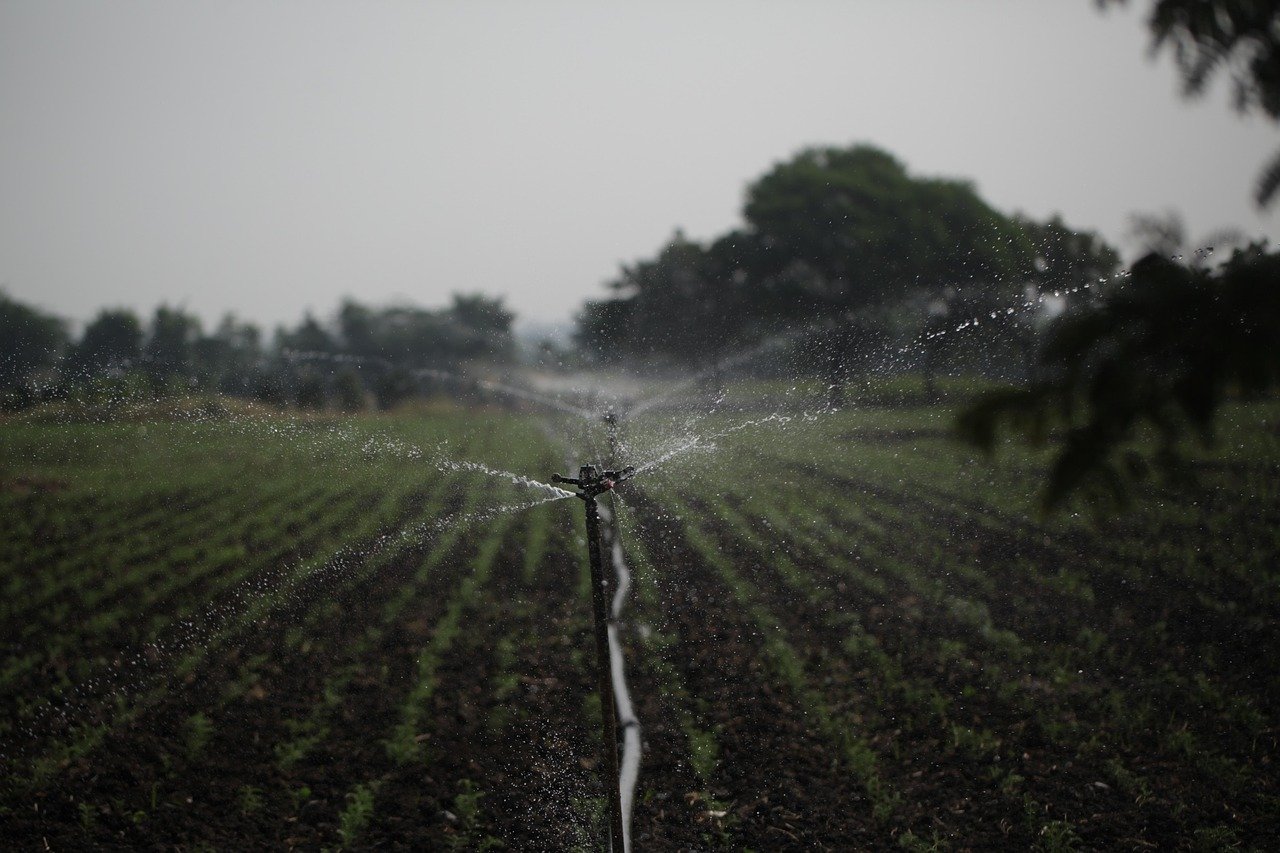
Managing water resources is crucial on islands, where freshwater availability can be limited. Innovative water management systems are being introduced, including rainwater harvesting and greywater recycling. Some islands have implemented smart irrigation systems for agriculture, which optimize water use based on real-time data. These systems significantly reduce water wastage while maintaining agricultural productivity. Additionally, desalination technologies are becoming more efficient and sustainable, allowing islands to convert seawater into potable water, thereby reducing pressure on existing freshwater sources.
Sustainable Transport Solutions
Transportation on islands poses unique challenges, particularly concerning carbon emissions and environmental degradation. To combat this, many communities are investing in electric vehicles (EVs) and promoting cycling and walking. Infrastructure for electric charging stations is expanding, and local governments are offering incentives for EV adoption. Furthermore, some islands are exploring hydrogen fuel cells and biofuels as alternative energy sources for ferries and other transportation modes.
Eco-Tourism Practices
Eco-tourism is an integral part of island sustainability efforts, encouraging tourists to engage with the local environment responsibly. Islands like Belize and the Galápagos Islands have developed guidelines that protect biodiversity while enriching visitor experiences. Sustainable practices include guided eco-tours that educate tourists about local ecosystems, sustainable accommodation options that prioritize environmental stewardship, and initiatives that involve local communities in conservation efforts. These practices not only help preserve natural resources but also create economic opportunities for island residents.
Waste Management and Circular Economy
Effective waste management is a critical concern for islands, particularly those overwhelmed by plastic pollution. Innovative waste management strategies, such as composting and recycling programs, are being introduced. Some islands are implementing “waste-to-energy” technologies, converting waste materials into usable energy, greatly reducing landfill use and environmental impact. The adoption of a circular economy—where waste is minimized, and materials are reused—further enhances sustainability efforts.
Biodiversity Conservation
Island biodiversity is incredibly rich but also highly vulnerable. Innovative conservation strategies are being developed to protect endemic species from extinction. Initiatives include creating marine protected areas (MPAs) that safeguard coral reefs and other critical habitats from overfishing and pollution. Community-managed conservation programs empower local residents to take an active role in protecting their natural resources. By fostering awareness and involving local communities in biodiversity initiatives, island developments create a sustainable balance between conservation and economic activity.
Green Infrastructure
Building green infrastructure is crucial for enhancing resilience against natural disasters, which are common in island environments. Elevating buildings and infrastructure can combat rising seas, while designing permeable surfaces helps manage stormwater runoff. Living shorelines, which incorporate natural habitats like wetlands and mangroves, are being utilized to protect coastal areas while fostering biodiversity. Such infrastructure not only protects the environment but also boosts local economies by attracting tourists and providing ecosystem services.
Community Engagement and Education
Community engagement is vital in driving sustainability practices. Successful island developments often prioritize education and active participation in environmental initiatives. Local governments and NGOs collaborate to host workshops, awareness campaigns, and educational programs aimed at promoting sustainable practices. By involving residents in the decision-making process, islands can develop tailored solutions that address specific environmental challenges while fostering a culture of sustainability.
Innovative Agricultural Practices
Sustainable agriculture has emerged as a priority for many island communities. Techniques such as permaculture, aquaponics, and vertical farming are being adopted to maximize land use while minimizing environmental impact. Crop rotation and organic farming improve soil health, promoting biodiversity and reducing the need for chemical fertilizers. As islands face food security challenges, these innovative practices ensure local production remains viable and sustainable.
Smart Technologies
The integration of smart technologies is revolutionizing sustainability efforts on islands. Internet of Things (IoT) devices monitor energy usage, water waste, and greenhouse gas emissions, enabling more efficient resource management. Smart grids help optimize energy distribution, adjusting supply to demand in real-time. These technologies enable island communities to monitor and improve sustainability outcomes continuously.
Policy and Governance Frameworks
Effective policies and governance frameworks are essential for implementing green innovations. Many island nations are drafting comprehensive sustainability policies that encompass energy, transportation, waste management, and agriculture. By setting clear goals and guidelines, islands can mobilize resources and align community efforts toward common sustainability objectives. International partnerships also play a critical role, enabling knowledge transfer and financial support for green initiatives.
Financial Investment in Sustainability
Securing financial investment is crucial for implementing sustainability projects on islands. Governments and private entities are increasingly recognizing the importance of green innovation and sustainable development. Green bonds and impact investing allow finance to flow into projects designed to create environmental and social benefits. These investments can help fund renewable energy projects, sustainable infrastructure, and conservation initiatives, ultimately paving the way toward a greener future.
Leveraging Traditional Knowledge
Incorporating traditional ecological knowledge into modern sustainability practices enhances resilience and effectiveness. Indigenous communities often possess valuable insights about local ecosystems, resource management, and sustainable living. By collaborating with traditional knowledge holders, island developments can create practices that respect cultural heritage while addressing contemporary environmental challenges.
Climate Change Adaptation Strategies
Climate change poses significant threats to island communities, ranging from rising sea levels to increased storm intensity. Innovative adaptation strategies are being developed to build resilience. These include restoring natural barriers like mangroves and wetlands, which can absorb storm surges, and developing contingency plans for emergency evacuations. Proactive adaptation not only protects islanders but also preserves biodiversity and local economies.
Green Innovations as a Path Forward
Island developments are at the forefront of environmental sustainability, with innovative practices emerging in various sectors. By embracing green innovations—from renewable energy and sustainable architecture to community engagement and smart technologies—these islands set an example for others to follow in the global pursuit of sustainability. As these approaches continue to evolve and succeed, they showcase the incredible potential of collaborative efforts in preserving the planet for future generations.
