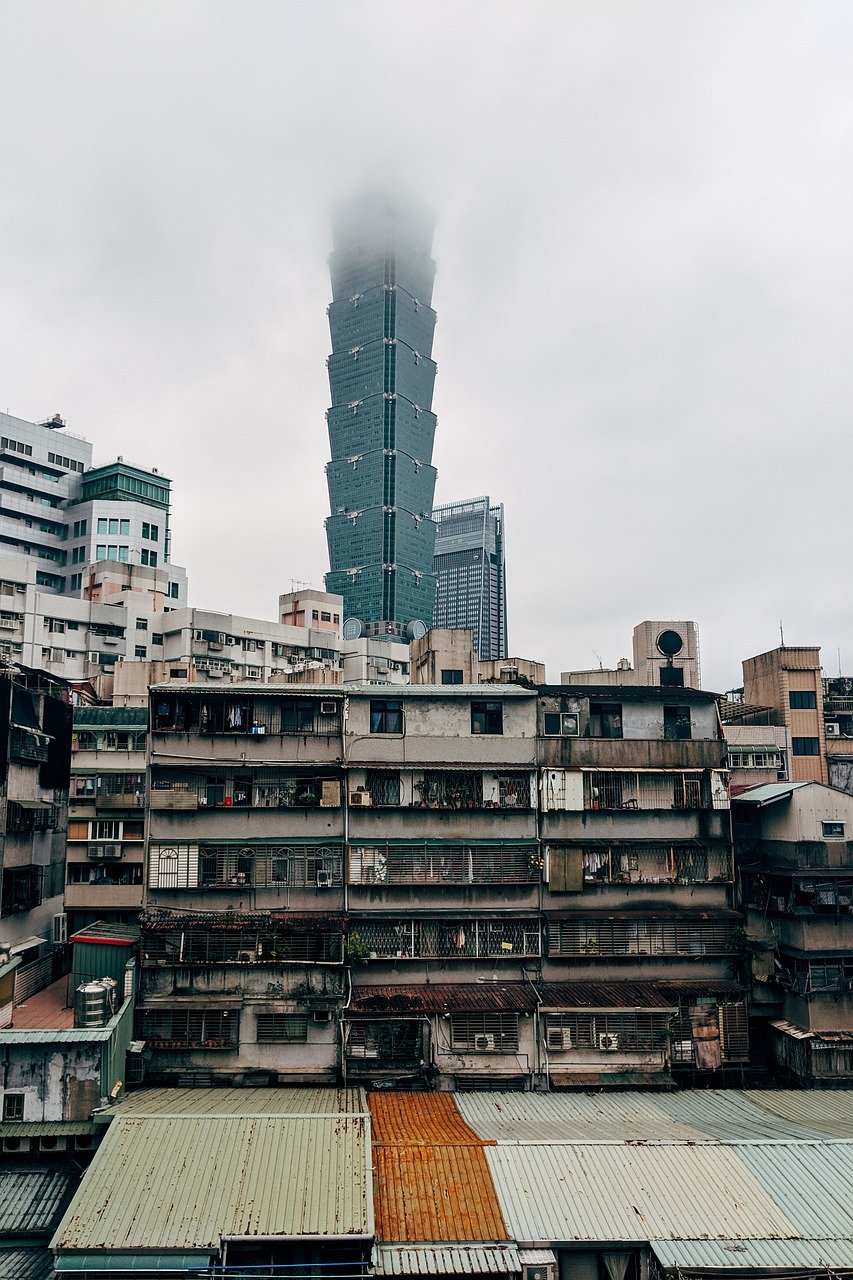

High-Profile Property Transaction Signals Shift in Urban Real Estate
The Current Landscape of Urban Real Estate
Urban real estate has experienced a significant evolution over the past few years. The pandemic triggered a paradigm shift, influencing living patterns and investment strategies. High-profile transactions, initiated by developers, institutional investors, and luxury homebuyers, serve as indicators of the emerging dynamics in urban real estate.
Notable Transactions in Recent Times
-
Tech Giants Expanding Real Estate Footprints
Tech giants like Google and Amazon are making headlines with substantial real estate acquisitions. For instance, Google’s investment of over $1 billion in various properties in cities like San Francisco and New York exemplifies a strategic shift towards urban core areas. Such purchases underline the tech industry’s long-term commitment to urban development and redevelopment, focusing on creating a workspace that caters to evolving employee needs. -
Transforming Commercial Spaces Amidst Hybrid Work Models
Major firms are repurposing commercial spaces in response to shifting work models. A notable example is the purchase of the iconic “Torre Scarpia” in downtown Los Angeles by a leading investment group. This 40-story skyscraper was acquired for $500 million and will undergo renovations to cater to mixed-use developments, combining office spaces with retail and residential elements. This trend emphasizes flexibility and adaptability in urban designs, responding to the growing hybrid workplace model. -
Luxury Residential Market Booms Remotely
The luxury residential market has witnessed a surge in interest, particularly in urban areas where amenities are readily available. High-profile transactions include the $40 million penthouse sale in Tribeca, New York, highlighting demand from ultra-high-net-worth individuals seeking coveted urban living experiences. Such sales not only reflect economic resilience but also a renewed appreciation for urban living amid previous concerns about safety and distance.
Indicators of Shift in Urban Real Estate
-
Suburban Exodus Reversal
Recently, a noticeable trend has emerged where individuals who once fled to suburban areas during the pandemic are now returning to urban centers. High-profile property transactions signal this reversal. Cities like Chicago and Miami are experiencing revitalized interest, evidenced by substantial investments in both residential and commercial properties. -
Focus on Sustainability and Green Spaces
Modern investors prioritize environmentally sustainable properties. The acquisition of land around urban green spaces has surged, as seen in the redevelopment of historical sites to integrate parks and recreational areas. Investors understand the value of such features in enhancing property value and attracting eco-conscious buyers. -
The Rise of Mixed-Use Developments
Another signal of shift is the increasing preference for mixed-use developments designed to integrate living, working, and leisure spaces. This aligns with current urban planning philosophies focused on creating walkable neighborhoods. The successful launch of high-profile projects like Hudson Yards in New York underscores this trend, incorporating residential, shopping, and entertainment spaces cohesively.
Impact of Interest Rates on Urban Real Estate
The interplay between interest rates and urban real estate transactions cannot be overstated. As the Federal Reserve adjusts rates to combat inflation, potential buyers are prompted to act swiftly, influencing the market dynamics. High-profile sales led by competitive bidding wars indicate buyer urgency, despite rising financing costs. This trend may lead to increased rental prices as more buyers pivot towards rentals while keeping a watchful eye on the trajectory of interest rates.
Emerging Markets for Urban Investment
-
Secondary Cities on the Rise
With remote work becoming increasingly normalized, secondary cities are experiencing a surge in popularity. Markets such as Austin, Nashville, and Denver have seen high-profile transactions as tech companies expand operations beyond traditional hubs. These areas offer lower costs and a burgeoning talent pool, making them attractive investment options for real estate buyers. -
International Investors’ Renewed Interest
Urban real estate is not just a domestic affair; international investors are eyeing U.S. markets. High-profile transactions like the acquisition of a multi-billion-dollar real estate portfolio in New York by a Middle Eastern investment group signify global confidence in urban property values. Such investments will likely increase as more international players look to diversify their portfolios.
Challenges in Urban Real Estate
Despite the positive indicators, challenges remain. Urban real estate faces hurdles, including:
-
Zoning Regulations and Bureaucratic Hurdles
Stricter zoning regulations often complicate high-profile developments. Developers must navigate complex permitting processes that can delay project timelines and inflate costs. Stakeholders increasingly advocate for revising zoning laws to foster urban growth. -
Affordability Crisis
The soaring costs associated with urban living pose significant challenges for many residents. High-profile transactions often attract wealthier individuals, exacerbating affordability issues in cities. Strategies to enhance affordable housing options are essential to ensure diverse urban populations remain viable.
Conclusion
Urban real estate is at a pivotal juncture marked by significant high-profile transactions that illuminate shifts in preferences, pricing, and investment approaches. As the market continues to adapt to evolving demands, understanding these trends will be crucial for stakeholders aiming to remain relevant in this dynamic landscape. The interplay between luxurious urban living and strategic investments paints a compelling picture of the future of real estate in urban settings. Urban centers remain resilient and are evolving towards a more integrated, sustainable, and vibrant future.
