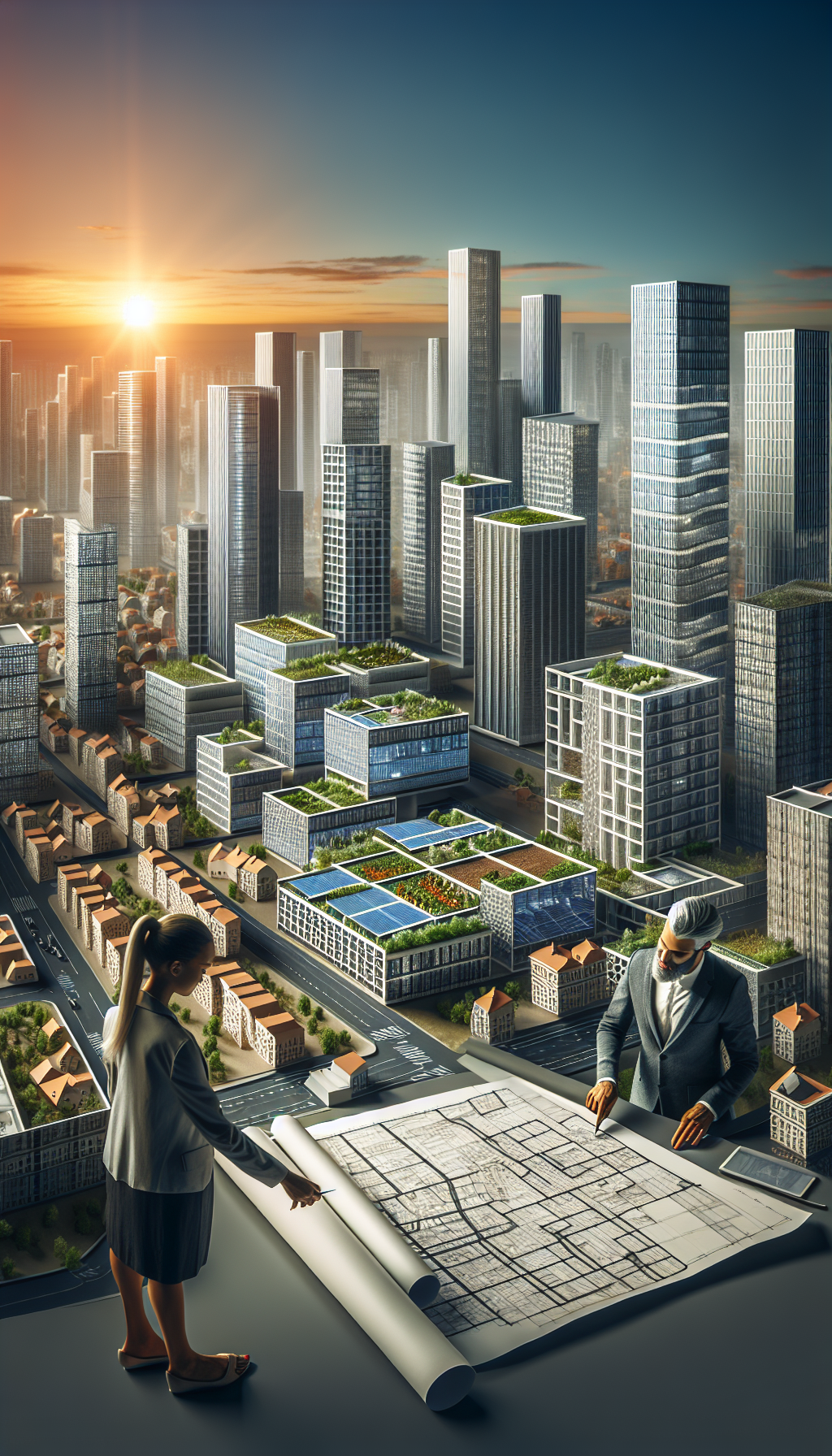

High-Rise Living: What’s Next for Urban Developers?
Urbanization Trends
As urbanization continues to soar, cityscapes are evolving into dense hubs of activity where high-rise living becomes not only a preference but a necessity. Global population growth is overwhelmingly urban, with predictions that nearly 68% of the world will live in urban areas by 2050, according to the United Nations. This growing trend necessitates innovative urban development strategies, especially in high-density environments where land is at a premium.
Sustainability in High-Rise Developments
Sustainability has become a cornerstone of contemporary architecture and urban planning. For urban developers, the challenge lies in incorporating eco-friendly practices into high-rise constructions. Green building certifications, such as LEED (Leadership in Energy and Environmental Design) and BREEAM (Building Research Establishment Environmental Assessment Method), have gained traction, guiding developers in creating energy-efficient structures that minimize their carbon footprints. High-rises are increasingly designed with solar panels, rainwater harvesting systems, and natural ventilation to enhance sustainability while attracting eco-conscious residents.
Smart Building Technologies
Smart technology integration is fundamentally reshaping high-rise living. With the rise of the Internet of Things (IoT), developers are incorporating smart building technologies that enhance convenience, safety, and energy efficiency. These innovations range from energy-efficient lighting and HVAC systems to advanced security measures and automated home systems. Moreover, tenants now seek amenities that leverage technology. Features like Wi-Fi-enabled common areas, mobile applications for facility management, and smart parking solutions are no longer luxuries but essentials for attracting modern residents.
Mixed-Use Developments
Mixed-use high-rise developments are gaining momentum as a solution to urban sprawl and the desire for convenience. By combining residential, commercial, and recreational spaces, developers create vibrant communities that reduce the need for long commutes and promote public interaction. Residents are increasingly drawn to high-rises that offer shops, restaurants, and office spaces within walking distance, fostering a sense of community. This trend addresses not only convenience but also enhances opportunities for local businesses, creating a symbiotic relationship between residents and retail.
Affordable Housing Initiatives
As urban centers become more desirable, soaring housing prices often lead to affordability crises. Urban developers face the challenge of integrating affordable housing into high-rise projects. Innovative financing models, such as public-private partnerships, allow for the development of mixed-income communities where luxury and affordable units coexist. Developers can also explore zoning changes that incentivize them to include affordable units, ensuring that a diverse demographic can call these urban centers home.
Health and Wellness Features
Increasingly, urban dwellers prioritize health and wellness in their living environments. High-rise developments now focus on integrating features that promote physical and mental well-being. Access to natural light, green spaces, and communal areas for socializing contribute to residents’ overall quality of life. Developers are also incorporating fitness amenities such as gyms, jogging paths, and wellness centers within or nearby these buildings. The pandemic underscored the importance of health-focused designs, and this trend is likely to continue shaping urban developments.
Resilience Against Climate Change
With climate change presenting unprecedented challenges, urban developers must design high-rise buildings that are resilient to extreme weather conditions. Sustainable practices, such as elevating structures to reduce flood risks and employing fire-resistant materials, are essential in locations prone to natural disasters. Moreover, incorporating climate-responsive designs can enhance the functionality and longevity of these buildings. As climate change awareness rises, investors and tenants increasingly favor developments that demonstrate climate resilience.
Urban Mobility Solutions
High-rise living necessitates innovative urban mobility solutions, particularly in densely populated areas where traffic congestion can deter resident satisfaction. Developers are collaborating with city planners to enhance public transportation options and promote alternative transit methods like cycling and walking. Incorporating bike-sharing stations, electric vehicle charging points, and proximity to public transport can significantly improve residents’ mobility. These measures not only ease transportation woes but also contribute to reducing traffic congestion and vehicle emissions in urban areas.
Community Engagement
It’s increasingly recognized that successful high-rise developments stem from community engagement. Urban developers are prioritizing outreach to local residents and stakeholders during the planning stages. Engaging the community ensures that developments reflect the aesthetic and functional desires of those who live nearby. Furthermore, this promotes a sense of ownership and responsibility among residents, fostering community well-being and enhancing the project’s long-term viability.
Modular Construction
The shift towards modular construction techniques presents a promising frontier for urban developers. Modular construction allows for faster build times and reduced on-site waste, addressing the pressing need for timely delivery of high-rise housing. Moreover, this method supports the integration of sustainable building materials and designs, reducing the environmental impact. With advancements in prefabrication technology, developers can now create high-quality, customizable units more efficiently than traditional methods.
Architectural Innovation
Architectural designs for high-rise buildings are evolving to become more appealing and functional. Aesthetic considerations are increasingly intertwined with practical necessities, paving the way for innovative structures that redefine urban skylines. Curvilinear designs, organic shapes, and mixed-material facades are becoming prominent as architects prioritize artistic expression alongside structural integrity. Integrating public art and landscaping into the architecture can also enhance the urban experience, fostering a sense of place and identity.
Final Thoughts on High-Rise Living
As urban developers explore these emerging trends, the future of high-rise living remains both promising and challenging. Balancing sustainability with urbanization, integrating smart technologies, and addressing affordability are critical factors that will define the landscape of urban living in the coming decades. By prioritizing community engagement, resilience, and architectural innovation, urban developers will not only shape vibrant urban environments but also enhance the quality of life for millions of residents around the globe.
