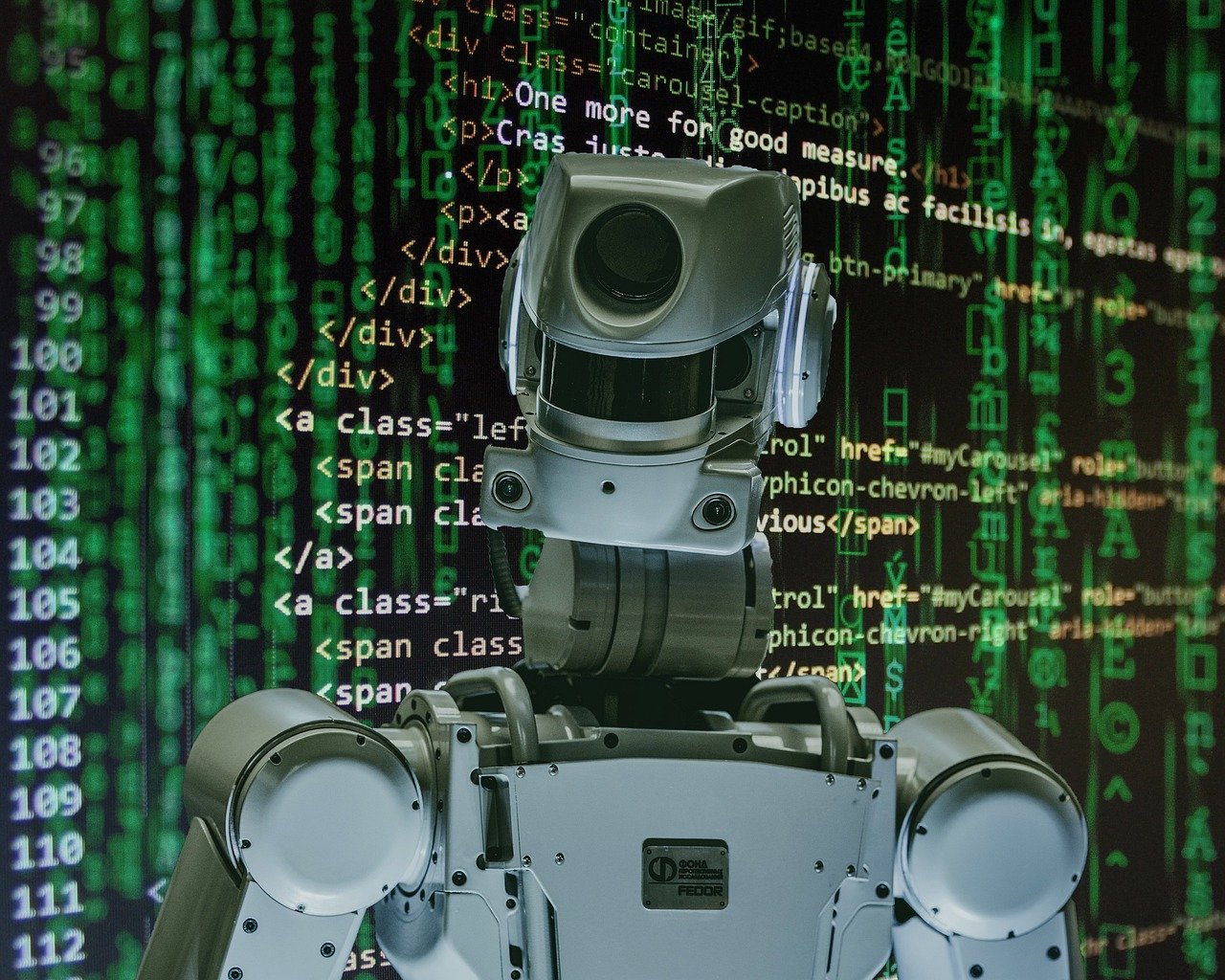

The Rise of Automation in Industry
The industrial landscape is experiencing a seismic shift, driven primarily by advancements in automation technologies. Industries across the globe are progressively adopting automation to enhance efficiency, reduce costs, and improve the overall quality of products and services. This article delves deep into how automation is reshaping the industrial space, exploring various technologies, their applications, benefits, challenges, and future trends.
Understanding Industrial Automation
Industrial automation refers to the use of control systems for operating equipment in factories, boilers, and heat treating ovens, switching on telephone networks, steering, and steering in aircraft, and other applications with minimal human intervention. A variety of technologies—including robotics, AI, machine learning, and the Internet of Things (IoT)—play pivotal roles in transforming traditional operations.
Key Technologies Driving Automation
-
Robotic Process Automation (RPA)
RPA involves using software to automate repetitive tasks usually performed by humans. Industries employ RPA to execute tasks such as data entry, order processing, and inventory management, significantly reducing labor costs and human error.
-
Artificial Intelligence (AI) and Machine Learning
AI systems learn from data, identify patterns, and make decisions with minimal human supervision. Industries leverage AI for predictive maintenance, quality control, and process optimization which leads to higher efficiency and reduced downtime.
-
Internet of Things (IoT)
IoT connects machines and devices to the internet, allowing them to send and receive data. In manufacturing, IoT devices collect real-time data that can be analyzed to improve processes, enhance supply chain visibility, and streamline operations.
-
Industrial Robotics
Robotics is a cornerstone of automation, with advanced robots performing complex tasks such as welding, painting, and assembly. These machines can operate continuously, leading to increased production speed and accuracy.
-
Additive Manufacturing (3D Printing)
This technology enables the creation of objects layer by layer from digital models. Industries are using 3D printing for prototyping, custom parts production, and reducing material waste, thereby optimizing manufacturing processes.
Benefits of Automation
The integration of automation into industrial processes brings a multitude of benefits:
-
Increased Efficiency
Automation streamlines operations, allowing industries to achieve higher output rates with consistent quality. Robots and automated systems can work around the clock without fatigue, leading to significant productivity gains.
-
Cost Reduction
By minimizing the reliance on manual labor, organizations can significantly reduce labor costs. Automation can also lead to lower error rates, resulting in fewer defective products and savings on rework and scrap materials.
-
Enhanced Safety
Automation reduces the risk of workplace accidents. Automated systems can take over dangerous tasks, protecting workers from hazardous conditions. For instance, robots can handle heavy lifting and operate in environments unsuitable for humans.
-
Improved Quality Control
Automated systems provide consistent quality and real-time monitoring of production processes. AI and machine learning algorithms can detect anomalies and deviations that may go unnoticed by human workers, ensuring products meet stringent quality standards.
-
Flexibility and Scalability
Automated systems can quickly adapt to changing production requirements, allowing industries to scale operations up or down with ease. This flexibility is particularly beneficial in meeting fluctuating market demands.
Challenges in Implementing Automation
Despite its numerous advantages, implementing automation poses several challenges:
-
Initial Investment Costs
The adoption of automation technologies requires significant capital investment. Small and medium-sized enterprises (SMEs) may find the upfront costs prohibitive, making it challenging to compete with larger organizations.
-
Skill Gap and Workforce Displacement
Automation often leads to job displacement as machines take over tasks previously performed by humans. Furthermore, there is a growing skill gap, as existing workers may lack the necessary skills to operate advanced technologies.
-
Integration with Legacy Systems
Many industries still rely on legacy systems that may not be compatible with new automation technologies. Integrating these systems poses significant technical challenges, leading to disruptions if not managed correctly.
-
Data Security Risks
The increased connectivity of IoT devices raises concerns regarding data breaches and cyberattacks. Industries must invest in robust cybersecurity measures to protect sensitive information and maintain operational integrity.
Future Trends in Industrial Automation
-
Smart Manufacturing
The future of industrial automation lies in smart manufacturing, which integrates IoT with big data analytics to optimize processes. Factories will become increasingly interconnected, allowing for real-time monitoring and decision-making.
-
Collaborative Robots (Cobots)
Unlike traditional robots that operate in isolation, cobots are designed to work alongside human workers. This collaboration will become more prevalent, leveraging the strengths of both humans and machines.
-
Artificial Intelligence Integration
The role of AI in industrial automation will continue to grow. AI-driven systems will enhance predictive analytics, enabling companies to forecast demand and maintenance needs accurately, thus optimizing supply chains.
-
Sustainable Practices
As industries face pressure to adopt sustainable practices, automation will play a crucial role in enhancing energy efficiency and reducing waste. Smart sensors and real-time monitoring will enable companies to minimize their environmental impact.
-
Augmented Reality (AR) and Virtual Reality (VR)
AR and VR technologies will become key tools in training workers for automated environments. They provide immersive experiences that simulate real-world scenarios, helping employees develop the skills needed to work alongside automated systems effectively.
-
Decentralized Manufacturing
The rise of decentralized manufacturing through additive manufacturing will shift production closer to the consumer. This trend reduces transportation costs and emissions while allowing for more personalized products tailored to specific markets.
Conclusion
While the future holds significant promise for automation in the industrial space, its successful implementation will require addressing current challenges. Organizations that proactively invest in technology, upskill their workforce, and prioritize cybersecurity are likely to reap the benefits of this transformative wave in industry. The evolution of automation promises not only to streamline productivity but also to redefine the way we approach manufacturing, making it smarter, safer, and more sustainable for generations to come.
