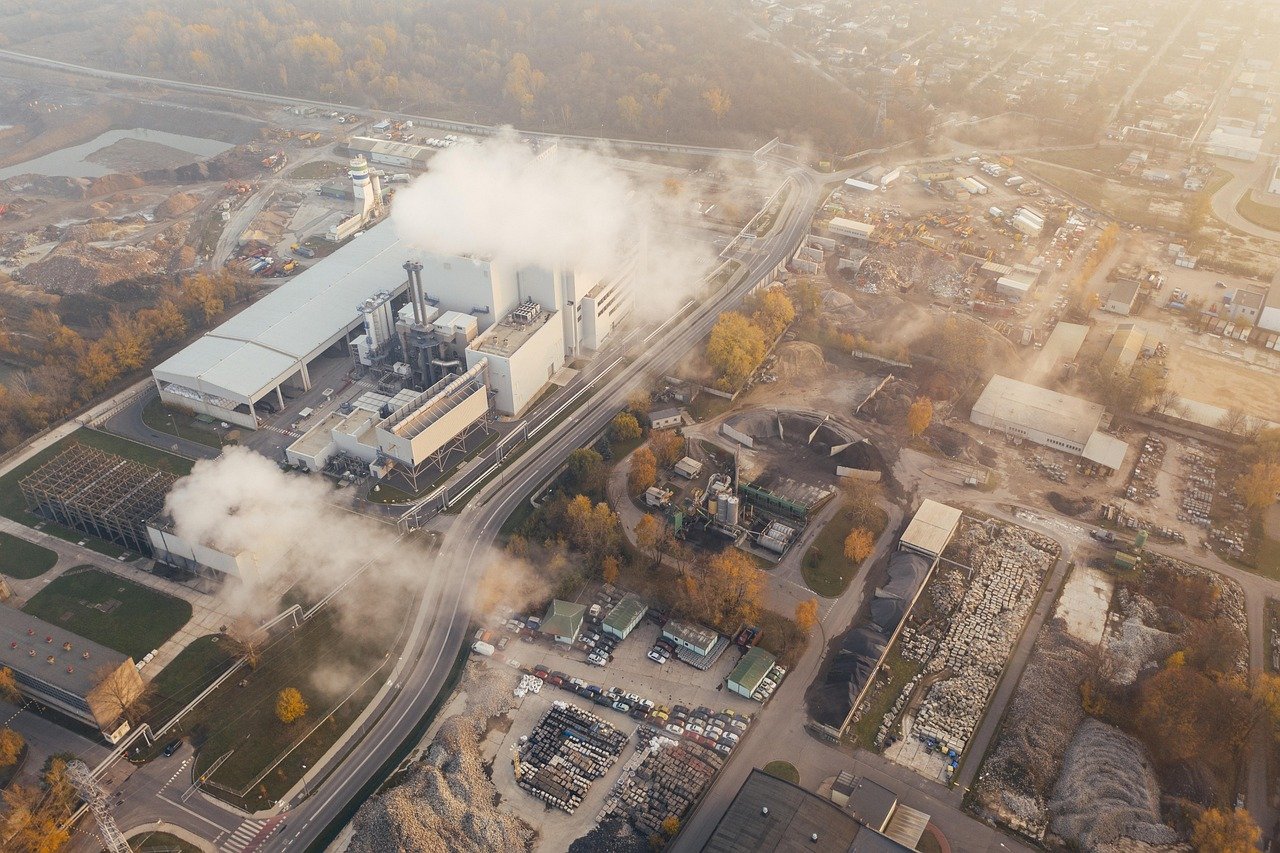

Industrial Real Estate Boom: Warehouses Driving Supply Chain Efficiency
The Rise of Industrial Real Estate
Industrial real estate has emerged as a critical component in the global economy, particularly due to the significant changes in consumer behavior and the increasing emphasis on supply chain efficiency. The pandemic has accelerated the shift towards e-commerce, prompting a sudden spike in demand for warehouses and distribution centers. This demand is not just a temporary trend; it marks a transformative era that highlights the essential role of industrial real estate in maintaining the flow of goods and services.
Impact of E-commerce on Warehouse Demand
E-commerce has revolutionized how goods are sold and delivered. With consumers increasingly opting for online shopping, businesses are compelled to enhance their logistics networks. According to a report by CBRE, the U.S. logistics market is projected to see exponential growth, particularly in the last-mile delivery segment, which is critical for ensuring customer satisfaction. This shift creates an acute demand for warehouses strategically located near urban populations to facilitate quick deliveries.
Warehouses have evolved from mere storage facilities to sophisticated logistics hubs. They now feature automated systems, advanced inventory management technologies, and energy-efficient designs, aimed at optimizing space and improving operational efficiencies. Businesses are recognizing that investing in modern warehouse infrastructure is vital for maintaining a competitive edge in an increasingly crowded marketplace.
Technological Innovations in Warehousing
The integration of technology in warehouse operations has not only improved efficiency but has also redefined the characteristics of industrial real estate. The rise of automation, robotics, and artificial intelligence has significantly enhanced productivity. For instance, automated guided vehicles (AGVs) and robotic pick-and-pack systems streamline the process of sorting and delivering goods, reducing labor costs and minimizing human error.
Additionally, the implementation of warehouse management systems (WMS) allows businesses to track inventory in real time, optimize storage layouts, and facilitate smoother order fulfillment processes. Data analytics further empower businesses to make informed decisions regarding inventory levels and warehouse utilization, leading to operational efficiencies seldom achieved in traditional setups.
Last-Mile Delivery: A Key Focus Area
Last-mile delivery has become a focal point in enhancing supply chain efficiency. It represents the final step of the delivery process from a distribution center to the end consumer. As e-commerce continues to grow, the pressure on businesses to expedite this process has intensified, making proximity to urban centers vital for warehouse locations.
Urban warehouses, often referred to as “micro-fulfillment centers,” are designed to meet the demands of rapid delivery. These strategically situated facilities allow companies to store products closer to consumers, greatly reducing delivery times. The trend towards urbanization has made it increasingly desirable for logistics companies to invest in areas that were once considered unsuitable for industrial purposes, fueling further industrial real estate growth.
Sustainability in Industrial Real Estate
Another driving force behind the industrial real estate boom is sustainability. As environmental concerns become more pressing, both consumers and businesses are prioritizing sustainability in their supply chains. The industrial sector is responding with energy-efficient building designs and green technology, further enhancing the appeal of modern warehouses.
Features such as solar panels, green roofs, and advanced HVAC systems not only lower operating costs but also improve brand image. Companies that adopt sustainable practices in their supply chains often enjoy preferential treatment from eco-conscious consumers, making sustainability a competitive differentiator in the market.
Challenges Facing the Industrial Sector
Despite the positive trajectory, the industrial real estate sector faces several challenges. One significant concern is the availability of land suitable for warehouse development, particularly in densely populated urban locales. As land becomes scarcer, developers are seeking creative solutions, such as repurposing older buildings and optimizing existing spaces to accommodate warehouse functions.
Furthermore, rising construction costs have made it increasingly difficult to maintain favorable pricing structures. The need for skilled labor in the construction of these advanced facilities is often at odds with industry demands. Developers must navigate these challenges to capitalize on the booming industrial real estate market.
The Future of Industrial Real Estate
Looking ahead, the industrial real estate market is set to experience sustained growth, bolstered by innovations in logistics, shifting consumer behaviors, and a renewed focus on supply chain efficiency. As businesses continue to adapt to changes in market dynamics, the demand for modern warehouse spaces capable of accommodating advanced logistics solutions will remain high.
In response to emerging trends, developers are increasingly investing in technology, sustainability, and flexibility within warehouse design. Customizable spaces that can adapt to changing market needs will become increasingly valued, allowing businesses to pivot swiftly as new challenges arise.
The Role of Government and Policy
Government policies are also playing a pivotal role in shaping the industrial real estate landscape. Incentives for renewable energy adoption, zoning laws facilitating warehouse construction, and investments in infrastructure will significantly influence industry growth. Local governments are recognizing the importance of the logistics sector in economic development and are working to remove barriers that may hinder industrial expansion.
Regional Trends in Industrial Real Estate
Regionally, different areas show distinct trends in industrial real estate. For instance, cities with established logistics networks, like Dallas-Fort Worth and Los Angeles, continue to see high demand for warehouses. Meanwhile, emerging logistics hubs in the Southeast, such as Atlanta and Charlotte, are gaining traction due to lower costs and favorable business climates.
Markets in the Midwest are also witnessing resilience as companies look to diversify their shipping routes and maintain supply chain flexibility. Land availability is driving investments, prompting warehouse developers to adopt innovative approaches to land use.
Investment Opportunities in Industrial Real Estate
Investors are increasingly recognizing the potential of industrial real estate as a cornerstone of their portfolios. The stability offered by long-term leases and the opportunity for appreciation in property value make industrial properties an attractive option. Real Estate Investment Trusts (REITs) focused on industrial assets are also gaining prominence, providing an accessible avenue for investors looking to capitalize on this booming sector.
In summary, industrial real estate, particularly warehouses, is not merely responding to current market demands but is actively shaping the future of supply chain efficiency. Through technological advancements, smarter land use, and sustainable practices, the sector is positioned for continued growth and evolution. As companies strive for operational excellence and rapid delivery solutions, the industrial real estate boom is far from over.
