
Innovative Urban Designs Transforming City Apartment Living
Micro-Apartments: The Future of Urban Living
As cities become increasingly congested, micro-apartments present an innovative solution for space-savvy urban dwellers. Often ranging from 200 to 400 square feet, these compact living spaces are designed to maximize utility without sacrificing style. Designers implement multifunctional furniture—think sofa beds, foldable tables, and modular storage—to make the most of every square inch. Key features include open layouts and large windows to create an illusion of spaciousness, often incorporating smart storage solutions under beds or inside walls. Cities like New York and Tokyo are leading this trend, offering affordable options for individuals who prioritize location and efficiency over sheer size.
Co-Living Spaces: Redefining Community
Co-living is a burgeoning trend that promotes a shared lifestyle among individuals, typically targeting millennials and young professionals. These spaces are designed with a focus on community building, featuring shared amenities such as kitchens, lounges, and workstations, alongside private bedroom areas. Companies like WeLive and Common have developed co-living settings to foster collaboration and interaction among residents, appealing to those who crave social engagement in a fast-paced urban environment. Co-living arrangements often come fully furnished, simplifying the relocation process for newcomers. This innovative housing model not only reduces living costs but also addresses loneliness—a common issue in urban settings.
Biophilic Design: Bringing Nature Indoors
Integrating nature into urban architecture is a key concept in biophilic design, which emphasizes human connections to the natural world. In city apartments, designers are increasingly incorporating elements such as green walls, living roofs, and indoor gardens. Such features enhance air quality, mitigate urban heat, and provide residents with serene oases amidst concrete jungles. Examples of successful biophilic projects can be seen in cities like Singapore, where vertical gardens adorn skyscrapers, allowing residents to connect with nature without leaving their homes. Moreover, these designs yield psychological benefits, promoting wellness and reducing stress in fast-paced urban living.
Smart Living Solutions: The Rise of IoT in Apartments
The incorporation of smart technology in urban apartment living is transforming how residents engage with their spaces. From intelligent lighting systems that adjust based on occupancy to smart thermostats that learn individual preferences, these innovations foster convenience and efficiency. Smart appliances not only optimize energy usage but also contribute to sustainable living, addressing one of the major drawbacks of urban lifestyles—high energy consumption. Leading developments in cities incorporate IoT devices that facilitate real-time monitoring and automated control, significantly enhancing the quality of life for city dwellers.
Sustainable Living: Energy-Efficient Designs
With climate change becoming a pressing concern, sustainable living is at the forefront of urban design. Innovative apartment buildings are being constructed to meet stringent energy efficiency standards, utilizing materials such as recycled steel and sustainably sourced wood. Many buildings are equipped with solar panels, rainwater harvesting systems, and green roofs, which drastically reduce their carbon footprints. The emphasis on energy efficiency not only minimizes environmental impact but also lowers utility bills for residents, making it an attractive option for those looking to live sustainably in the city.
Vertical Communities: Skyscraper Living
As cities expand vertically, the concept of vertical communities is gaining traction. These towering structures combine residential, commercial, and recreational spaces, creating a self-sufficient urban ecosystem. Residents enjoy convenient access to shops, restaurants, and workspaces without the need for extensive commutes. Innovations such as sky gardens, communal lounges, and panoramic observation decks foster a sense of community and enhance the overall living experience. Examples include The Shard in London and Bosco Verticale in Milan, both of which redefine apartment living through innovative design, aesthetics, and function.
Adaptive Reuse: Breathing New Life Into Old Buildings
Adaptive reuse involves repurposing old structures for new residential purposes, preserving historical architecture while meeting modern needs. This approach contributes to sustainable development by reducing waste and maintaining community heritage. Urban developers are transforming warehouses, factories, and even churches into vibrant apartment communities. Not only does this practice provide unique living spaces with character, but it also revitalizes neighborhoods, attracting new residents and businesses. Successful examples include the High Line apartments in New York City, where an old railway has been converted into luxurious housing options with easy access to green spaces.
Rooftop Gardens and Communal Spaces
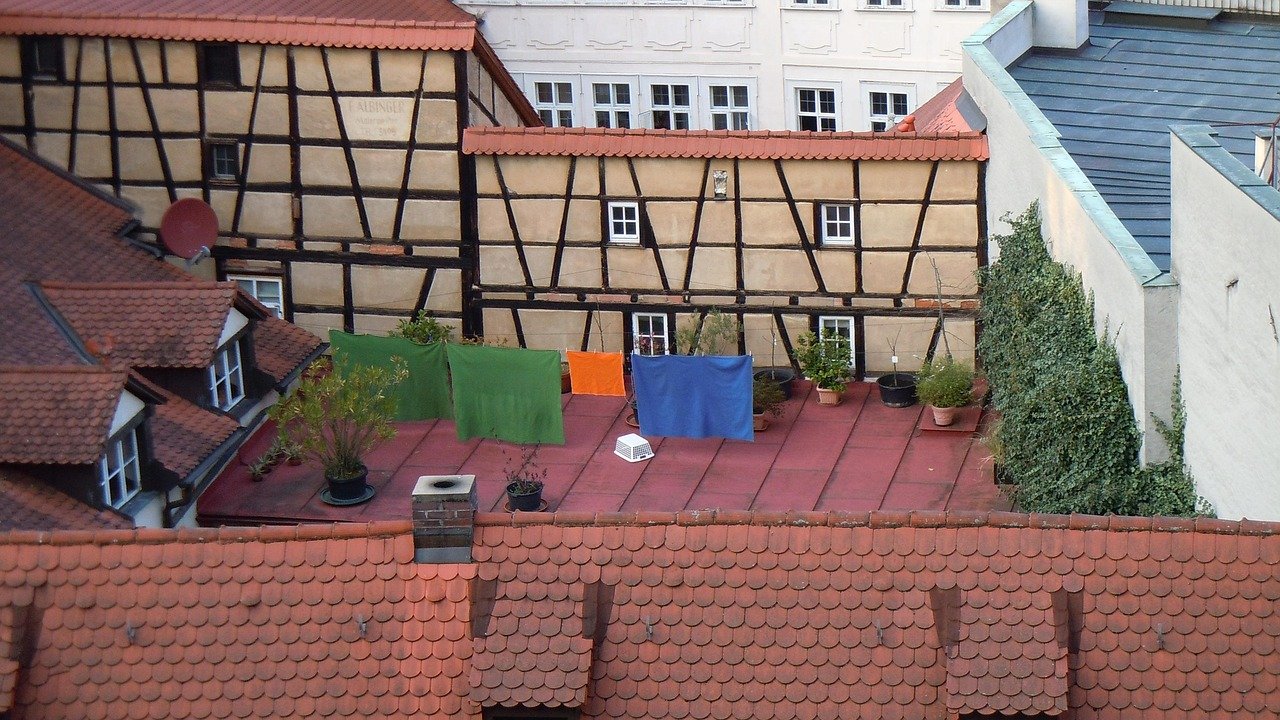
Urban rooftops, often overlooked, are now being transformed into green sanctuaries, offering residents a place to relax and gather. Rooftop gardens and communal terraces enhance the aesthetic appeal of apartment buildings while serving as active living spaces for residents. Many developments design these areas with outdoor seating, BBQ facilities, and lush greenery, turning them into social hubs that foster community interaction. The integration of these shared outdoor spaces promotes a sense of belonging and encourages residents to enjoy the fresh air, all while providing stunning views of the urban skyline.
Transportation-Oriented Development (TOD)
With urban centers becoming increasingly crowded, transportation-oriented development (TOD) has emerged as a strategic solution. TOD focuses on creating high-density residential areas adjacent to public transit systems, reducing reliance on cars and promoting walkability. Residents benefit from easy access to public transport, thereby minimizing travel time and environmental impact. Cities like Portland and San Francisco have implemented TOD principles, resulting in integrated communities where apartment living meets efficient transit options. The design of these developments often emphasizes pedestrian pathways, bike lanes, and mixed-use buildings, creating vibrant neighborhoods that support sustainable lifestyles.
Cultural Integration: Reflecting Local Heritage
Innovative urban designs are also focusing on cultural integration, ensuring that new apartment developments reflect the identity and heritage of their surroundings. Architects and developers collaborate with local artists and historians to infuse culturally relevant designs, materials, and artworks into modern structures. This not only adds aesthetic value but also fosters a sense of pride among residents and strengthens community ties. Examples can be seen in cities like Barcelona and Mexico City, where new buildings honor historical contexts while providing modern amenities, creating a seamless blend of the old and the new.
Summary of Innovations in Urban Apartment Designs
The landscape of urban apartment living is evolving rapidly due to innovative designs aimed at addressing the challenges of modern city life. From micro-apartments and co-living spaces that foster community to sustainable and smart living solutions that enhance convenience, architects and developers are reimagining how we live in dense urban environments. As cities face growing populations and environmental pressures, these transformations offer promising avenues for future urban living, making city life more sustainable, enjoyable, and connected.
