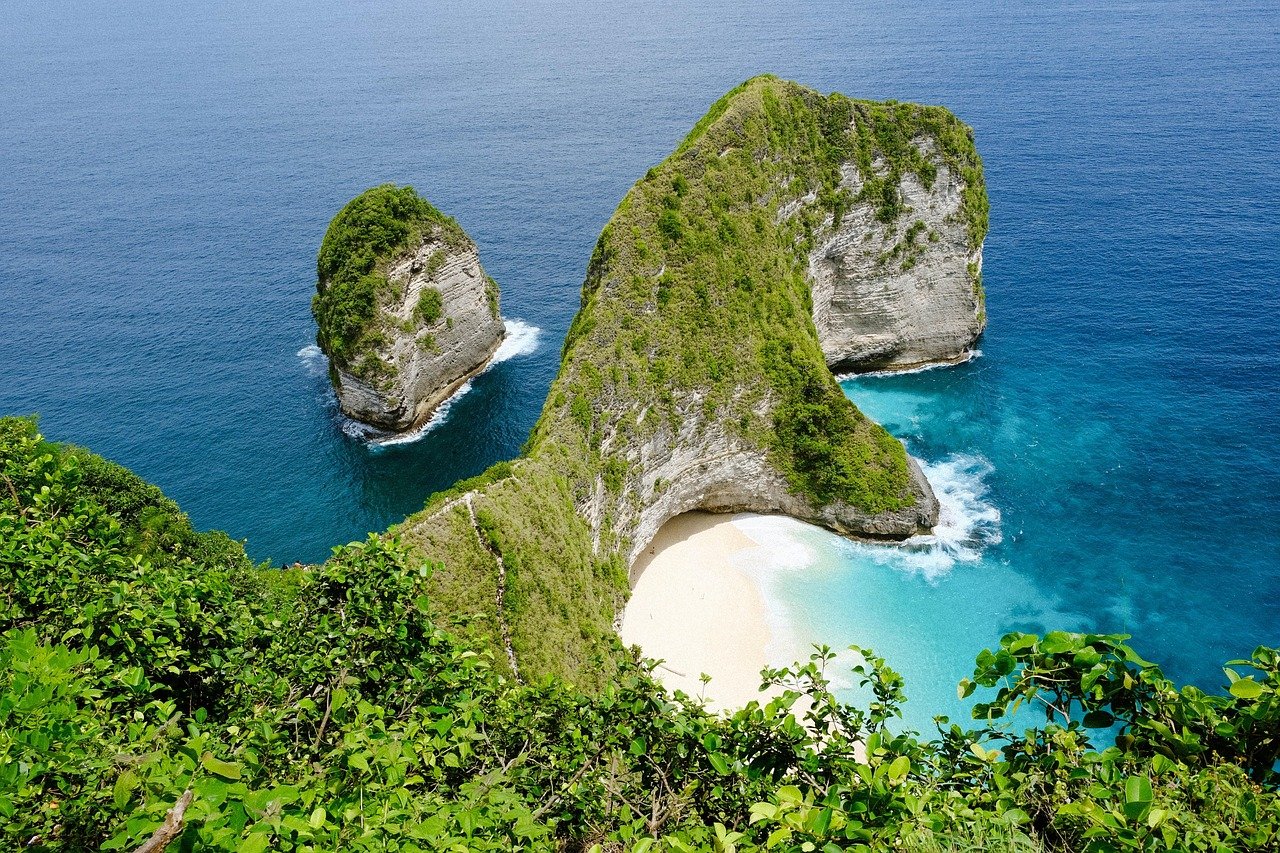

Island Living: Embracing Sustainable Communities
The Essence of Island Living
Island living encapsulates a lifestyle that is inherently intertwined with nature, culture, and community. It revolves around sustainable practices that promote ecological balance, enriched community ties, and a shared commitment toward preserving the environment. This unique way of life is increasingly relevant in today’s fast-paced, urban-centric world, emphasizing simplicity, sustainability, and mindfulness.
Benefits of Island Living
Living on an island carries multiple benefits that extend beyond stunning views and tranquility.
1. Community Engagement
Islands typically host smaller, tightly-knit communities where residents engage deeply with each other. This interaction fosters a sense of belonging and shared responsibility for maintaining local environments. Community-led projects focusing on recycling, habitat restoration, and local agriculture are prime examples of how islanders come together to enhance their environment.
2. Abel Sustainability Practices
Islands often face limited resources, compelling communities toward sustainable solutions. Properly managed resources such as rainfall, wind, and solar power, can drive energy autonomy. Many islanders have adopted techniques such as rainwater harvesting, solar rooftop installations, and wind energy solutions—these practices not only lower carbon footprints but also serve as models for sustainable living.
3. Local Food Systems
Island residents frequently prioritize locally sourced food, which not only strengthens the economy but also minimizes transportation emissions. Community-supported agriculture (CSA) programs are flourishing in many island areas, allowing residents to purchase fresh, seasonal produce directly from local farmers. This enhances food security, supports biodiversity, and preserves local agriculture traditions.
The Role of Eco-Tourism
Eco-tourism plays a pivotal role in promoting the sustainable island living movement. By focusing on conservation and community involvement, eco-tourism attracts visitors who are keen to experience authentic island life.
Understanding Eco-Tourism
Eco-tourism seeks to minimize its environmental impact while maximizing cultural and ecological preservation. Islands that embrace this form of tourism often implement guidelines that educate visitors about local ecosystems, wildlife, and conservation challenges. Activities might include guided nature walks, sustainable fishing practices, and workshops on traditional crafts, fostering a respectful relationship between tourists and the local environment.
Impact on Local Economies
By shifting the focus from mass tourism to eco-friendly alternatives, islands can preserve their ecosystems while gaining economically. Visitors who seek out sustainable experiences tend to spend more on ethical brands and local artisans, directly benefiting communities. This economic model encourages the preservation of culture, landscapes, and biodiversity, ensuring long-term sustainability.
The Intersection of Technology and Tradition
Advancements in technology provide island communities with tools to enhance sustainable living without compromising their traditions.
Renewable Energy Innovations
Innovative energy technologies are increasingly accessible to remote communities. Many islands have invested in microgrid systems powered by renewable energy sources. For instance, solar microgrids allow islands to self-produce electricity, thus reducing dependency on fossil fuels and lowering operational costs.
Sustainable Building Practices
Modern sustainable construction techniques utilizing renewable materials and energy-efficient designs are being adopted on islands. Homes built from locally sourced bamboo or reclaimed materials contribute to lower carbon emissions and foster a stronger connection to the environment.
Preserving Island Biodiversity
Islands are home to unique ecosystems with diverse plant and animal life. However, rising tides, invasive species, and climate fluctuations threaten these fragile environments.
Conservation Initiatives
Many island communities are prioritizing conservation efforts through collaboration with environmental organizations. Initiatives may include habitat restoration projects, wildlife protection programs, and educational outreach that helps locals and visitors understand the importance of biodiversity.
Invasive Species Management
An essential practice in preserving island ecosystems is managing invasive species. Community-led action groups often organize clean-up and restoration days, where residents can actively participate in removing non-native plant species that threaten local flora and fauna.
The Social Fabric of Island Living
The social dynamics on islands are instrumental in fostering a sustainable lifestyle. Strong community bonds are vital in tackling shared challenges, from climate change to resource management.
Collaborative Planning
Island communities often engage in participatory planning to ensure that development aligns with their sustainability goals. Town hall meetings and forums allows residents to voice their opinions and collectively plan for future growth while preserving their cultural and environmental heritage.
Education and Awareness
Education plays a key role in facilitating sustainable behaviors. Local schools integrate environmental education into their curricula, teaching children about local ecosystems, conservation practices, and the cultural significance of their environment. Awareness campaigns directed at residents and visitors help promote sustainable practices within the community.
Challenges to Overcome
Despite the numerous benefits of island living, there are significant challenges that communities must confront.
Climate Change Impacts
Rising sea levels and extreme weather events present immediate threats to island economies and infrastructures. Communities are developing adaptive strategies, including building sea walls and restoring mangrove wetlands, which act as natural barriers against storm surges.
Economic Viability
Transitioning to sustainable practices often requires upfront investments that can be burdensome for small island economies. However, innovative financing models, such as green bonds and community funds, are gaining traction to help local communities finance projects aimed at sustainability.
Future Directions for Island Living
The future of island living lies in finding harmony between tradition and modernity.
Embracing Smart Technologies
Smart technologies can facilitate sustainable practices while respecting cultural practices. These tech solutions can include water management systems that optimize irrigation and waste management solutions that enhance recycling and composting efforts, all while prioritizing local traditions and natural materials.
Global Collaborations
Island communities can benefit from global partnerships that share knowledge, resources, and best practices. Collaborating with other islands and organizations provides opportunities for innovation in sustainability and boosts resilience against common challenges such as climate change.
Conclusion
By embracing sustainable community principles, island living serves as an inspirational model for creating resilient, eco-friendly societies. With a focus on community, innovative technology, and respect for nature, islands around the world are reframing their futures, demonstrating that balance between modern advancement and traditions is not only possible but essential for long-term survival and prosperity.
