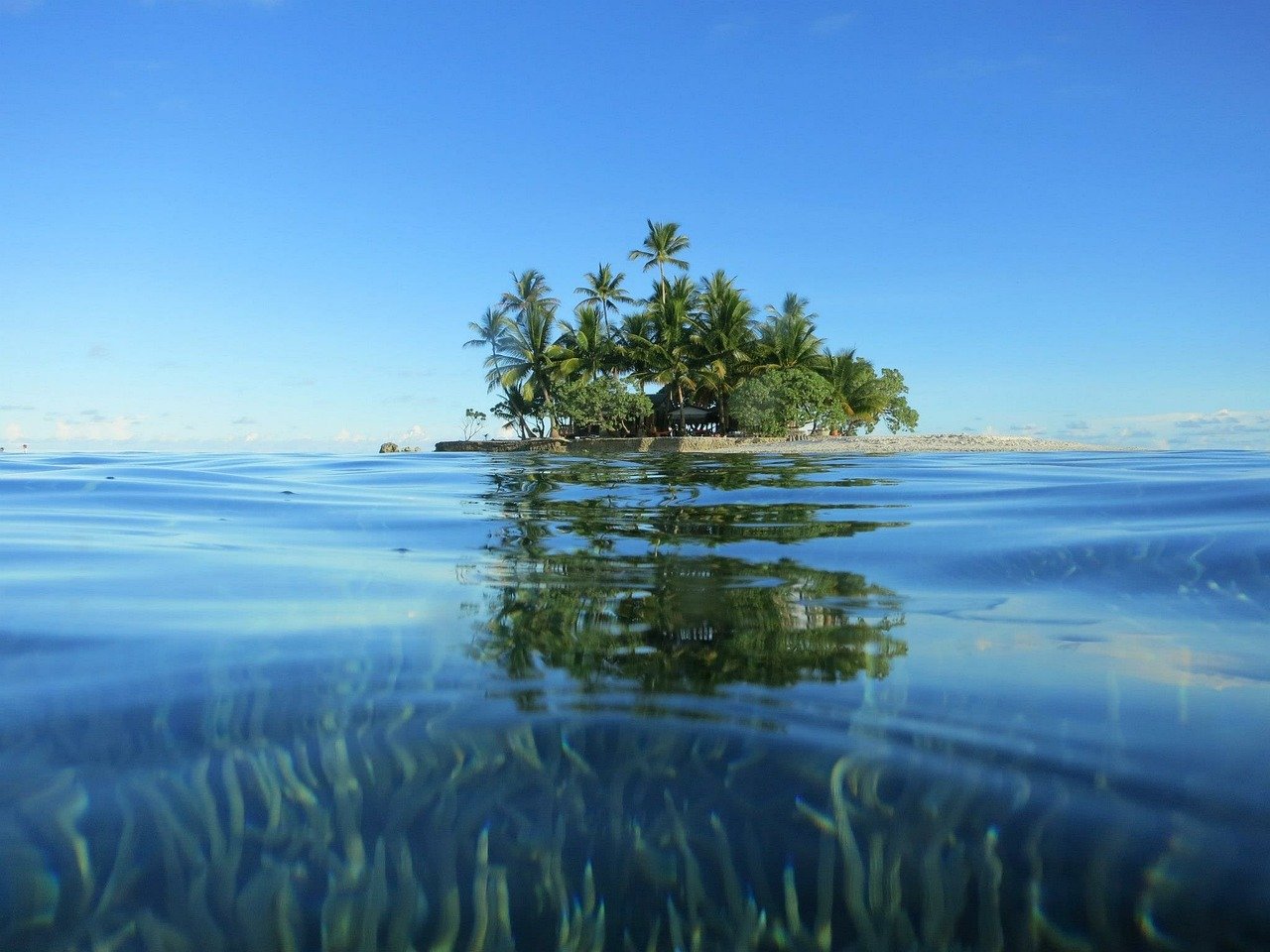

The Rise of Island Resorts in Sustainable Living
Understanding Island Resorts
Island resorts are hospitality businesses located on tropical islands, often known for their luxury amenities and breathtaking natural settings. These resorts not only attract tourists seeking relaxation and adventure but also play a pivotal role in promoting sustainable living practices. As travelers increasingly prioritize environmental responsibility, island resorts are adapting to meet these demands.
Eco-Friendly Architecture
One significant aspect of sustainable island resorts is their architectural design. Modern resorts opt for eco-friendly materials, such as bamboo, reclaimed wood, and energy-efficient windows. The architectural style often harmonizes with natural surroundings, minimizing disruptions to local ecosystems. For instance, resorts in the Maldives primarily use materials sourced locally, reducing carbon footprints associated with transportation.
Renewable Energy Sources
Many island resorts are embracing renewable energy to power their facilities. Solar panels, wind turbines, and wave energy systems are commonly utilized to generate electricity. The Six Senses Laamu in the Maldives features a solar energy system that significantly reduces reliance on fossil fuels. By transforming sunlight into energy, these resorts lower their operational costs while minimizing environmental impact.
Water Management Systems
Water scarcity is a pressing issue for many island destinations. To combat this, sustainable island resorts implement advanced water management systems. Desalination plants, rainwater harvesting, and wastewater recycling systems allow resorts to utilize local water resources efficiently. For example, the Anantara Veli Maldives Resort uses sophisticated systems that ensure clean, drinkable water while conserving precious resources.
Local and Organic Food Sourcing
Island resorts are increasingly focusing on food sustainability by sourcing ingredients locally. This not only supports local farmers but also reduces the carbon footprint associated with food transportation. Many resorts partner with nearby farms to provide guests with organic fruits, vegetables, and seafood. This focus on farm-to-table dining enhances the quality and freshness of the dishes served, providing guests with a local culinary experience.
Wildlife Conservation Initiatives
Island resorts are often situated in biodiverse environments, making them integral to wildlife conservation efforts. By creating awareness and providing education on local flora and fauna, resorts contribute to preservation efforts. Some resorts even organize eco-tours that allow guests to participate in conservation activities, such as planting coral reefs or participating in turtle sanctuaries. For instance, the LUX* South Ari Atoll in the Maldives runs a coral restoration project, enabling visitors to actively contribute to marine conservation.
Community Engagement and Empowerment
Sustainable island resorts recognize their responsibility to local communities. They often engage local populations through employment, purchasing local handicrafts, and supporting community development projects. By investing in education, healthcare, and infrastructure, these resorts create a positive impact on local livelihoods. Resorts that promote cultural immersion experiences, like traditional cooking classes or local guided tours, enhance financial benefits for the community while providing authentic experiences for tourists.
Waste Management Practices
Reducing waste is a crucial component of sustainable operational practices in island resorts. Many resorts implement rigorous waste management systems, focusing on recycling and composting programs. Initiatives to minimize single-use plastics, such as banning plastic straws or offering refill stations, are gaining popularity. The Ritz-Carlton, Grand Cayman, has a comprehensive waste reduction strategy, diverting 60% of waste from landfills through recycling and composting.
Biodiversity Preservation
Preserving biodiversity is integral to the success of island resorts. By maintaining natural habitats around the resort, these facilities help sustain ecosystems that support local flora and fauna. Initiatives can include reforestation projects, marine protected areas, and the establishment of no-fishing zones to restore marine life. For instance, the Rosewood Mayakoba in Mexico engages in conservation activities that promote the protection of mangroves and coral reefs.
Education and Awareness Programs
Education is vital in promoting sustainable living and encouraging responsible tourism practices. Island resorts often offer workshops, seminars, and interactive programs focusing on sustainability. These educational programs influence both guests and local communities, aiming to cultivate a culture of environmental stewardship. Programs led by experts in ecology not only raise awareness about ecological issues but also inspire action among guests and locals.
The Future of Island Resorts
As the global travel industry increasingly embraces sustainable practices, the future of island resorts lies in innovation. The integration of technology in sustainable practices, such as smart energy management systems and mobile applications for eco-friendly tours, is becoming more evident. Moreover, the commitment from resorts to achieve certifications like Green Key or EarthCheck signifies a shift toward a sustainable hospitality landscape.
Conclusion
Island resorts are significantly shaping the trends of sustainable living. Their commitment to eco-friendly practices, community engagement, and conservation efforts highlight their role as champions of environmental sustainability. By prioritizing sustainable operations, these resorts not only provide unique experiences to travelers but also ensure the preservation of precious ecosystems for future generations. As tourists continue to favor destinations that prioritize environmental consciousness, island resorts will remain at the forefront of sustainable tourism, proving that luxury and sustainability can indeed coexist harmoniously.
